Posts Tagged ‘Education’

If You Think Teaching is so Easy You Should Try it for Yourself

October 9, 2013


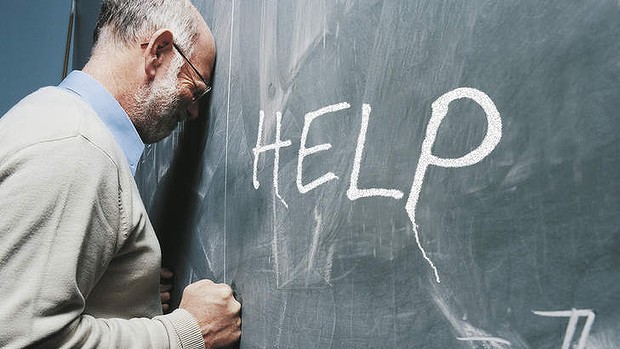
help


Yes, it’s true, the holidays are good and the hours can be flexible, but teaching is not an easy profession. I adore teaching, but even on a good day I come home absolutely exhausted. And it’s not as if my day stops when I get home. Marking, planning and reporting duties often have me working deep into the night.

The same parents that think teaching is not very hard, openly complain about how tiring their child’s birthday party was to manage. They freely talk about the noise levels, the repeated requests for them to be quiet and the tears when games are lost and feelings are hurt.

Now picture this: You are hosting a birthday party every single day for a year. Now you know what it can be like to teach a class!

I am very lucky. My natural love for teaching energises me and gives me the adrenaline I need to get through the day with my smile intact. But I have experienced enough stress and challenges in my time to completely sympathise with the overwhelming number of teachers experiencing burnout:

More than one in four new teachers are suffering from ”emotional exhaustion” and almost burnt out soon after starting their careers, according to a Monash University study.

The reasons offered include a lack of administrative support, onerous compliance measures and much tougher emotional conditions than they expected to face, particularly in economically depressed areas.

“We could go within five kilometres of this university and find classroom environments where some teachers would be experiencing forms of post-traumatic stress as a result of the sorts of things they deal with on a daily basis – where the social dimension of their work is a big, big ask,” Associate Professor Paul Richardson said. ”People would be shocked.”

He and Associate Professor Helen Watt made their findings from surveys of 612 primary and secondary teachers. They were first surveyed in 2002 as they enrolled in teacher education at universities in Victoria and NSW.

”I would never have thought 27 per cent would be on a path to burnout or worn out already,” Dr Richardson said. Dr Watt described those affected as ”a very dangerous group”.

“They report much greater negativity in their interaction with students,” she said, ”such as using sarcasm, aggression, responding negatively to mistakes. They were there [originally] for reasons such as wanting to enhance social equity, making a contribution to society, or having a personal interest in teaching and working with youth,” she said.

Yet the latest results of the FIT-Choice (Factors Influencing Teaching) project indicate low morale is all too common among this sample.

And the most positively motivated teaching students – those who initially planned to stay in teaching the longest – suffered the greatest drop in confidence and satisfaction once they started working.

In Victoria, new teachers have orientation days, mentoring arrangements and even “buddy” programs to help them feel at home in their first weeks on the job.

“But it would appear most of these measures are ad hoc,” said Andrea Gallant, a senior lecturer and education researcher at Deakin University.

Dr Gallant is tracking the attrition rate among beginning teachers – a statistic made difficult to pin down because teachers often remain registered after leaving the profession. The Education Department puts the attrition rate for teachers under 30 at 3 per cent. “We would estimate the rate of attrition to be probably 50 per cent,” Dr Gallant said. She recently completed a small case study interviewing high-performing teaching graduates who left the profession within a few years, to find out why.

“They were keen to introduce new practices, which were not always widely accepted by peers. They were supported in their first year and isolated in their second year,” Dr Gallant said. ”And often they’re given the toughest classes.”

Meredith Peace, Victorian branch president of the Australian Education Union, said schools were not given enough support to implement structured peer-to-peer programs. “Good mentoring requires time,” she said.

Click on the link to read Teachers are Extremely Vulnerable to False Accusations
Click on the link to read Top 10 Ways of Dealing with Teacher Burnout

The Worst Thing a Teacher Can Ever Say to a Student

October 5, 2013


horns


Forget the fitness to teach evaluation and just cut to the chase. Did the teacher really tell his student the shocking comment below? If so, he must be fired immediately and have his teaching registration torn up:

High school teacher Gordon Bibby has been ordered by the B.C. Teachers Regulation Branch to undergo a fitness-to-teach evaluation after a series of bad moves, including telling one student: “Your mother lies when she tells you she loves you.”

According to the teachers regulation authority, the Merrit, B.C., teacher also made disrespectful comments about a student’s financial situation at home, and ripped up the homework of two Grade 9 students.


Click on the link to read A Teacher Who Beds their Teenage Student Should be Jailed

Click on the link to read My Teacher, the Pedophile

The Call to Have Students Rate Their Teachers is Better than it Sounds

October 4, 2013

test

Students grading their teacher on the quality of their lessons? What will they think of next? Surely that is merely asking for trouble. It puts the teacher in an impossible position where they may feel they have to pander to their students and disregard blatant misbehaviour in order to keep them on side lest they be graded poorly.

Then I actually read the article in its entirety and realised that what is being called for is actually very exciting and empowering for students. Instead of what the article first made us believe, students don’t grade the teacher on each individual lesson, but rather fill out a general questionnaire, giving them the opportunity to give the kind of feedback many feel stifled from giving:

Richard Cairns, Head Master of Brighton College is calling on the Government to make it compulsory for students to play a part in assessing the performance of teachers.

The move would help school leaders deal with under-performance in the classroom, he suggested.

In a speech to the Headmasters and Headmistresses’ Conference (HMC) annual meeting today, Mr Cairns will say that he has introduced such a system at his own school.

Pupils at Brighton College are asked to fill in an online questionnaire about each of their teachers.

The form includes 22 statements or questions such as “my teacher sets clear expectations for my studies and the quality of my work”, “my teacher caters for my learning style and my ability level” and “my teacher is passionate about his subject”.

Students are asked to give a grade for each statement or question ranging from one, which is positive, to five, which is negative. They can also add their own comments.

It is thought to be the first time that students have been asked to help appraise their teachers in this systematic way.

The findings are collected and used as part of a teacher’s appraisal, Mr Cairns says.

He will tell the conference: “It is used as the basis for discussions in appraisal meetings – either to praise good practice, or inform the setting of targets.”

Ahead of today’s meeting, Mr Cairns said: “All good heads know what the ‘word on the street’ is regarding good or bad teachers but we have no objective evidence except those that arise from lesson observations and exam results.”

Lesson observation is a “seriously flawed approach”, Mr Cairns argued, while exams results can say more about the culture of a school than how effective an individual teacher is.

Pupil appraisals are the only objective way of both praising good teachers and being able to have serious conversations with those that are not doing well, he suggested.

Mr Cairns said he is calling on the Government to make such a system compulsory in all schools “in order to help Heads deal quickly with underperforming teachers and also to provide positive, objective feedback for the best teachers which will aid retention and maintain enthusiasm”.

He added: “We have put a lot of money into school inspection and we are very concerned about standards in schools but the key consumers – the pupils – are not consulted. That strikes me as crazy.

“We’ve got to get over this issue that young people might abuse such a system.

“Every good teacher I know trusts the pupils that they teach to act responsibly.”

Mr Cairns said a similar system has been introduced at the London Academy of Excellence – a new state- funded sixth form in east London – which is co-sponsored by Brighton College.

Click on the link to read First Work Out What a Quality Teacher is, Then Evaluate

Click on the link to read 7 Tips for Building a Better School Day

Click on the link to read Tips for Catering for the Visual Learner

Click on the link to read Student Rant Goes Viral

Click on the link to read Could This be the Most Violent High School Test Question Ever?

Click on the link to read Six Valuable Steps to Making Positive Changes in Your Teaching

Who is Going to Do Something About Cyberbullying?

October 3, 2013

fb

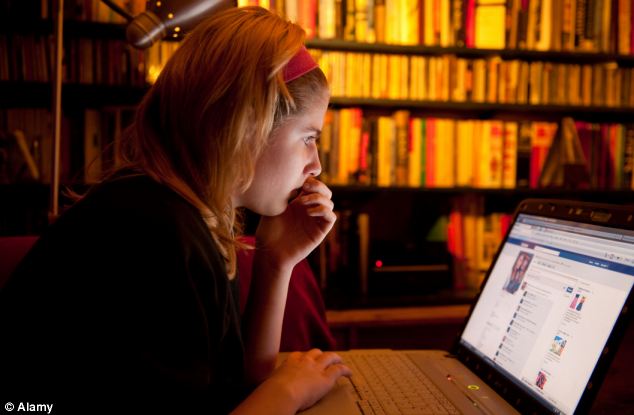
Cyberbullying continues to grow, even considering the increased public awareness of the problem. This is simply not good enough.

For too long schools have been avoiding the issue, claiming that what is done outside of their gates is not within their domain – Wrong!

Parents have all too often decided to ignore whether or not their children are of age to use social media and whether they are using these sites responsibly – Wrong!

Bystanders, aware of Facebook hate sites have often decided to stay out of a potential conflict and have either opted to sit on their hands or worse, tacitly encourage the bullying – Wrong!

Facebook claim they are working overtime to ensure that cyberbullies are not rampant on their site – Wrong!

When are the stakeholders and custodians of this problem going to take their collective blindfolds off and start fixing this terrible form of bullying?

More than a million young people are subjected to ‘extreme cyberbullying’ every day, according to the largest ever survey into online abuse.

The report found young people are twice as likely to be bullied on Facebook than any other social network.

Experts say cyberbullying can have a ‘catastrophic’ impact on self-esteem and have called for parents and regulators to recognise the seriousness of the issue.

Liam Hackett, founder of national anti-bullying charity, Ditch The Label, which produced the report, said many people assume cyberbullying is not as hurtful as face-to-face abuse.

But he said it can be even more distressing because it is more public.

The survey of 10,000 13 to 22-year-olds found that levels of cyberbullying were much higher than previously reported.

It found that 70 per cent of youngsters had experienced cyberbullying and one in five said it had been ‘extreme’.

Of those surveyed, almost 40 per cent said they were bullied online frequently.

Mr Hackett said: ‘I think there’s a tendency for older people to think that cyberbullying is a lesser form of bullying because there is this idea you can delete a comment or you can block it and it’s gone.

‘But actually, we have seen that content becomes viral very quickly and when comments are put out on a public platform it can be more distressing for the victim because a lot of people are exposed to this content, so it’s incredibly harmful.’

Facebook, Ask.fm and Twitter were found to be the most likely sources of cyberbullying, and 54 per cent of Facebook users reported cyberbullying on the network, the survey said.

Click on the link to read Engaging in Gossiping Isn’t as Pleasurable as it Seems

Click on the link to read The Explosion of Online Bullying

Click on the link to read The Researchers into Cyberbullying Should Review Their Findings

Click on the link to read The Use of Facebook in Cyberbullying Activity

Click on the link to read A Positive Approach to Tackling Cyberbullying

Rules that Restrict the Teacher and Enslave the Student

October 1, 2013


A heartfelt and extremely well articulated rant against the current rules restricting ESL teachers in the classroom.


Click on the link to read This is What I Think of the No Hugging Rule at Schools

Click on the link to read Political Correctness at School

Click on the link to read What Are We Doing to Our Kids?

Click on the link to read Stop Banning Our Kids From Being Kids

Click on the link to read Banning Home-Made Lunches is a Dreadful Policy

Kids Asked About Social Media: Funny Clip

September 30, 2013


Am I the only one that is glad there are still children around that have no idea what Facebook is?


Click on the link to read 5 Tips to Help Your Children Use Social Networking Safely

Click on the link to read Monitoring Children’s Social Networking Activities Proving too Difficult for Parents

Click on the link to read Parents and Teachers Should Not Be Facebook Friends

Click on the link to read Introducing the App that will Give Parents Nightmares

Click on the link to read Facebook’s Ugly Little Secret

Click on the link to read Who Needs Real Friends When You Have Facebook Friends?

Tips For Kids in Dealing With Exams

September 30, 2013

exam2I must confess to being quite overwhelmed when sitting for exams. I often froze and perhaps occasionally sabotaged a few times by allowing the mental demons to overcome me.

I hope these tips help others to manage their exam stresses:


Dr Friedland explains that in order to fail forward, people need to learn from their so-called failures and use them as stepping stones to future success.

“I’d advise students to throw away all thoughts of a number and change their definition of success, so instead they strive to give their studies their all and know they’re going to walk away having learned something,” he says.

“Don’t be driven by self-esteem. Instead let yourself have some self-compassion. Look after yourself, treat yourself well – success comes from that.”

Encourage them to look at the bigger picture

Ask a student to identify the most important thing they hope to achieve from an exam, assessment or the academic year, and they’ll say a good mark.

Dr Friedland admits it can be hard for young people to see the wood for the trees because getting a good score can seem like the most important thing in the world – their defining achievement.

He advises parents to gently help their kids see how other aspects of their life are important and he alludes to that oft-quoted mantra that it’s about the journey, not the destination.

“Encourage them to reflect on what truly matters in their life. Help them see that getting a great big number won’t necessarily lead to happiness and fulfilment, but the process of trying to get it might if they’re learning along the way and also nourishing themselves,” he says.

“Going into an exam with a ‘do or die’ attitude is counter-productive. The stress will become overwhelming and few people can thrive if they’re feeling like that. Give each exam the importance it deserves in the whole bigger picture.

“We all need to focus on taking care of ourselves – mind, body and soul.”

Click on the link to read The Harmful Effects of Yelling at Students

Click on the link to read First Prize for a Primary School Raffle: A Rifle

Click on the link to read Another Reason why Television is Unealthy for Children

Click on the link to read The Spoiled Twins with their £70k First Birthday Party (Photos)

Click on the link to read 5 Tips to Help Children Cope With Stress

Click on the link to read Seven Valuable Tips for Raising Your Child’s Self-Esteem

Click on the link to read Top Ten Compliments Your Children Need to Hear

Discussing Mental Illness with Children

September 29, 2013


mental


Valuable information courtesy of aacap.org:


Kids are naturally curious and have questions about mental illnesses. Understanding mental illnesses can be challenging for adults as well as for children. Myths, confusion, and misinformation about mental illnesses cause anxiety, create stereotypes, and promote stigma. During the past 50 years, great advances have been made in the areas of diagnosis and treatment of mental illnesses. Parents can help children understand that these are real illnesses that can be treated.

In order for parents to talk with a child about mental illnesses, they must be knowledgeable and reasonably comfortable with the subject. Parents should have a basic understanding and answers to questions such as, what are mental illnesses, who can get them, what causes them, how are diagnoses made, and what treatments are available. Some parents may have to do a little homework to be better informed.

When explaining to a child about how a mental illness affects a person, it may be helpful to make a comparison to a physical illness. For example, many people get sick with a cold or the flu, but only a few get really sick with something serious like pneumonia. People who have a cold are usually able to do their normal activities. However, if they get pneumonia, they will have to take medicine and may have to go to the hospital. Similarly, feelings of sadness, anxiety, worry, irritability, or sleep problems are common for most people. However, when these feelings get very intense, last for a long period of time and begin to interfere with school, work, and relationships, it may be a sign of a mental illness that requires treatment.

Parents should be aware of their child’s needs, concerns, knowledge, and experience with mental illnesses. When talking about mental illnesses, parents should:

  • communicate in a straightforward manner
  • communicate at a level that is appropriate to a child’s age and development level
  • have the discussion when the child feels safe and comfortable
  • watch their child’s reaction during the discussion
  • slow down or back up if the child becomes confused or looks upset

Considering these points will help any child to be more relaxed and understand more of the conversation.

Pre-School Age Children

Young children need less information and fewer details because of their more limited ability to understand. Preschool children focus primarily on things they can see, for example, they may have questions about a person who has an unusual physical appearance, or is behaving strangely. They would also be very aware of people who are crying and obviously sad, or yelling and angry.

School-Age Children

Older children may want more specifics. They may ask more questions, especially about friends or family with emotional or behavioral problems. Their concerns and questions are usually very straightforward. “Why is that person crying? Why does Daddy drink and get so mad? Why is that person talking to herself?” They may worry about their safety or the safety of their family and friends. It is important to answer their questions directly and honestly and to reassure them about their concerns and feelings.

Teenagers

Teenagers are generally capable of handling much more information and asking more specific and difficult questions. Teenagers often talk more openly with their friends and peers than with their parents. As a result, some teens may have already have misinformation about mental illnesses. Teenagers respond more positively to an open dialogue which includes give and take. They are not as open or responsive when a conversation feels one-sided or like a lecture.

Talking to children about mental illnesses can be an opportunity for parents to provide their children with information, support, and guidance. Learning about mental illnesses can lead to improved recognition, earlier treatment, greater understanding and compassion, as well as decreased stigma.


Click on the link to read Tips to Help Parents Control Their Kids’ TV Habits

Click on the link to read 10 Steps Parents Can Take if their Child is Being Bullied

Click on the link to read School Holidays are Very Hard for Many Parents (Video)

Click on the link to read 20 Reassuring Things Every Parent Should Hear

Click on the link to read 10 Tips for Nurturing Independence Among Children

Click on the link to read 4 Tips for Getting Your Kids up in the Morning

Click on the link to read Seven Valuable Tips for Raising Your Child’s Self-Esteem

Click on the link to read Top Ten Compliments Your Children Need to Hear


Teaching Kids to be Competitive Often Leads to Needless Pain

September 24, 2013

hand

Some say that competition is good.  It is character building, it prepares the child for the competitiveness of the real world and motivates the child.  I am skeptical when it comes to competition in the classroom.  My experience tells me that many teachers resort to grades and levels in elementary level when the content of what they are teaching isn’t particularly interesting and requires a bit of superficial stimulus. I also feel that whilst some thrive in such an environment, many more flounder due to the negative and pressure charged vibe:

Parents who have agonised over getting their children into the best school may have been wasting their time and effort.

Surrounding a child with brighter peers could actually damage his or her education, researchers warn.

They said constantly being outshone in the classroom by brainboxes could shatter their confidence so much that they end up doing worse academically.

So weaker students – both boys and girls – might be better off at a less competitive school as they have the psychological advantage of being a ‘bigger fish in a smaller pond’.

Being a competent pupil in such a setting can help ‘motivate’ children and lead to ‘confidence, resilience and perseverance’, according to the findings.

Bright children, however, tend to thrive as they move through their school careers because they are already filled with self-confidence.

This positive side of the phenomenon affects both sexes although it is far more pronounced in boys, according to the paper from the London School of Economics.

The gain was said to be similar to a child who is the best in their street at football and ‘becomes more confident and spends more time playing and so further improves’.

Dr Felix Weinhardt, a post-doctoral research fellow in economics, said: ‘Our findings go against the common assumption that having better peers is always the best for children. Previously we thought there were no negative effects.

‘But just making it into a better school and being at the bottom end of the ranks can have a negative effect.’

The research looked at almost 2.3million English pupils taking National Curriculum tests in maths, English and science.

Assessments for those aged 11 (Key Stage 2) were used as a benchmark of ability while those for  14-year-olds (Key Stage 3) were used to rate how well they did at secondary school.

The project also used a survey on confidence taken by 15,000 pupils.

The data revealed those near the top of their class in primary school continued to improve while those who struggled often did worse.

The upward trend was stronger for boys but the same for both genders in pupils from deprived backgrounds. The ratings for both boys and girls in the bottom quarter of performance at primary dropped at secondary level.


Click on the link to read Two High School Athletes Brawl During Race (Video)

Click on the link to read Tips for Teaching Your Children How to Lose

Click on the link to read Preparing Students for the Real World

Click on the link to read Is Competition in the Classroom a Good Thing?


Scaring Our Children About Climate Change is Poor Education

September 24, 2013

gore


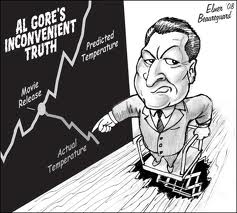
This post is not about the legitimacy of climate change. I personally believe in climate change but require more evidence as to the extent of how our actions will cause ‘dangerous’ ramifications,

There is a campaign to teach children climate science following a certain ‘consensus’. Only trouble is, education doesn’t and should never operate using a consensus model. Education is about an exchange of ideas and the search for truth. It isn’t about hammering one line of thinking at the exclusion of others.

The worst byproduct of the ‘consensus technique’ of teaching children is that educators realise that many children won’t understand the science of it, so they have resorted to alarmism and outrageous prognostications instead. This not only scares children, but is phoney and grossly insensitive.


One of the most shameful aspects of the scare-mongering over “global warming” (sic) is the way that children are exploited and frightened.

Save the planet for the sake of our children and our grandchildren, goes the line. Over and over again. Children will be hardest hit, and so forth.

There is anecdotal evidence that young children are being seriously frightened by this event, an event that may in fact not be happening, may not have very serious consequences, and probably cannot be stopped.

A young child wrote to the website of UK magazine Country Living, saying she was scared because she had read a report that “global warming” (sic) would bring more and poisonous spiders to her garden.

A four year old boy had to receive psychological treatment because he had become irrationally and uncontrollably frightened into believing the end of the world was nigh and that he was about to die.


Surely instead of frightening kids with stories about dead polar bears and melting ice caps we can teach the positive aspects about looking after our environment, such as recycling and conserving electricity and water.  After all, positive behaviours are best brought about by positive messages.


Click on the link to read Our Children and the Disgusting Climate of Fear