Posts Tagged ‘Education’

My Heart Bleeds for Children Who Are Exploited

March 28, 2013

seven

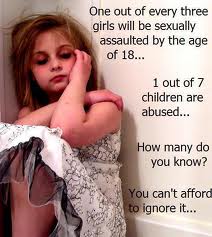
These pictures of a seven-year-old child in Syria say it all. I am so relieved that I can bring up my children in a country where this would never be allowed to happen.

smoke


Click on the link to read The People Who “Liked” This Should be Struck Off Facebook

Click on the link to read How Giving Your Children a Bath Can Get You on a Sex Offender Registry

Click on the link to read Don’t Look for Rolemodels from Our Sporting Stars

Click on the link to read It is Shameful to Claim that Paedophilia is NOT a Crime

Click on the link to read Dad’s Letter to 13-Year Old Son after Discovering he had been Downloading from Porn Sites

Click on the link to read Mother Shaves Numbers Into Quadruplets Heads So People Can Tell Them Apart


Classroom Management is Getting Harder

March 24, 2013

manage

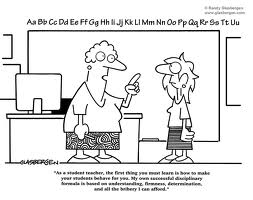
Teacher training really falls flat when it comes to providing new teachers the practical tools to deal with the increasing difficulties of managing a class:

Teachers have warned that disruptive behaviour in classrooms has escalated sharply in recent years, as funding cuts to local services have left schools struggling to cope.

A survey by the Association of Teachers and Lecturers (ATL) found that the vast majority of staff had recorded a rise in the number of children with emotional, behavioural or mental health problems.

The union collated numerous examples of challenging behaviour, ranging from violent assault to defamatory campaigns on social media.

Suggested reasons for the deteriorating behaviour include a lack of boundaries at home, attention-seeking, an absence of positive role models at home, low self-esteem and family breakdown.

The ATL, which has 160,000 members across the UK, said aggressive cuts to the traditional safety net of local services have left schools dealing with complex behavioural and mental health problems on their own.

Earlier this month it emerged that two-thirds of local authorities have cut their budgets for children and young people’s mental health services since the coalition government came to power in 2010. A freedom of information request by the YoungMinds charity found that 34 out of 51 local authorities which responded said their budgets for children’s and young people’s mental health services had been cut, one by 76%.

Alison Ryan, the union’s educational policy adviser, said: “Services are struggling for survival or operating with a skeleton staff, so there’s now a huge pressure on schools to almost go it alone. Schools are absolutely on the front line of dealing with these children and young people and trying to provide a service that means they don’t fall through the cracks.”

, general secretary of the ATL, said: “The huge funding cuts to local services mean schools often have to deal with children’s problems without any help.”

The survey of 844 staff found that 62% felt there were more children with emotional, behavioural and mental health problems than two years ago, with 56% saying there were more than five years ago. Nearly 90% of support staff, teachers, lecturers, school heads and college leaders revealed that they had dealt with a challenging or disruptive student during this school year. One primary school teacher in Cheshire said: “I have been kicked in the head, spat at, called disgusting names, told to eff off, had the classroom trashed regularly and items thrown. We accept children who are excluded from other schools so they come to us with extreme behaviour issues.”

A teacher in a West Midlands secondary school said: “One colleague had a Twitter account set up in front of him on a mobile called Paedo ****** [their name], which invited others to comment on him and his sexual orientation.”

Another teacher in a secondary school in Dudley added: “I’ve been sworn at, argued with, shouted at, had books thrown at me, threatened with physical abuse and had things stolen and broken.”

Bousted added: “Regrettably, teachers and support staff are suffering the backlash from deteriorating standards of behaviour. They are frequently on the receiving end of children’s frustration and unhappiness and have to deal with the fallout from parents failing to set boundaries and family breakdowns.”

On the positive side, most of the disruptive behaviour facing staff was categorised as fairly low level, with 79% of staff complaining that students talked in class, did not pay attention and messed around.

Some 68% added that students were disrespectful and ignored their instructions, 55% said they had dealt with verbally aggressive students, and a fifth with a physically aggressive student. Among secondary and sixth-form students, smoking was considered a significant problem.

On most occasions challenging behaviour was deemed an irritation which disrupted class work, according to 74% of staff, but 42% revealed that they suffered stress and almost a quarter said they had lost confidence at work. Forty of those questioned said they had been physically hurt by a student.

Click on the link to read The Dog Eat Dog Style of Education

Click on the link to read Problem Kids, Suspensions and Revolving Doors

Click on the link to read Useful Resources to Assist in Behavioural Management

Click on the link to read When Something Doesn’t Work – Try Again Until it Does

Teachers, Get Your Hands Off Your Students

March 22, 2013

molest

I am sick and tired of reading daily news stories of teachers having affairs or raping their students. Many will find those 2 scenarios worlds apart (especially if the student is over 16), but to me they are both a form of abuse and are completely abhorrent.

Teachers have been bestowed with great trust by parents. It is beyond unacceptable for teachers to exploit this trust in any way.

When I was a student my classroom teacher and the school security guard where pedophiles. It was not known at the time, but many years later both were arrested for their crimes. These crimes involved the molestation of my friends.

As a treat for good behaviour, our teacher once organised a swim party where he got in the water with us and encouraged us not to be shy about dressing and undressing together.

As much as I don’t enjoy the mistrust of being a male primary teacher and the extra precautions I have to take in order to avoid any doubt of impropriety, I understand and accept it. If the stigma helps weed out any potential pedophiles or unprofessioanl teachers, it’s more than worth it.

The punishment for a teacher found to be having consensual or non-consensual relations with their students should be much more severe than for other members of the community.

Click on the link to read What is it About Some Teachers and Social Media?

Click on the link to read The Mission to Stop Teachers From Having a Sense of Humour

Click on the link to read School Instructs Students on How to Become Prostitutes

Click on the link to read Some Teachers Just Desperately Want to get Fired

Click on the link to read The Case of a Teacher Suspended for Showing Integrity

Click on the link to read Primary School Introduces Insane No-Touching Policy

Inviting the KKK to Your Classroom is Irresponsible

March 20, 2013

Ku Klux Klan Holds Annual Gathering In Tennessee

The KKK do not need to be given a platform to speak to impressionable children . Whilst I agree that students should form their own political and philosophical views, inviting hatemongers into the classroom is not the role of a teacher,

I don’t understand how some teachers feel that by inviting KKK members and neo-Nazis, they are achieving anything constructive. Surely they should invite inspirational people who embody respect and tolerance instead:

Popular knowledge suggests that hate is learned, like writing or reading. So who is the most effective teacher, and what happens when professors and teachers invite hate groups like the Ku Klux Klan, neo-Nazis and the Westboro Baptist Church into the classroom?

The answer, of course, isn’t simple. An engrossing piece from the Washington Times’ Tim Devaney describes the rise of this teaching tactic in some schools.

Randy Blazak, a sociology professor at Portland State University in Oregon, told Devaney that he brings neo-Nazis into class because they humanize a hatred so extreme that students often consider it separate from humanity’s capacity — like a relic of some past time that’s carried to this day by people who no longer understand it. This lesson is a big day in a syllabus that considers the role of extremism in broader society.

“It’s a good idea to know what’s out there,” Blazak said. “They’re not monsters. They’re human beings, wrestling with their own issues.”

It’s this passion that may scare students into grasping a lesson that otherwise wasn’t considered so close at hand.

“We can agree that Nazis are the bad guys in history, but how much are you like that Nazi in your biases?” Blazak said.

The teaching technique exposes a raw nerve in a country where students are suspended for eating a gun-shaped Pop-Tart, tweeting about a teacher’s car, writing about an attraction to a theoretical teacher in a creative writing assignment or simply trolling on YouTube.

A teacher was placed on administrative leave in 2010 when she allowed four students to dress in Ku Klux Klan costumes for a class presentation on American history. Students complained to their parents and a national scandal ensued. A similar story unfolded last year in Las Vegas, except that the teacher wasn’t punished.

What do you think? Should teachers animate members of hate groups to show students up close an ugly dimension of human behavior? Or should schools create greater distance between their students and these ideas? Are students and schools mature enough to adopt such teaching methods into a larger curriculum?


Click on the link to read Could This be the Most Violent High School Test Question Ever?

Click on the link to read Six Valuable Steps to Making Positive Changes in Your Teaching

Click on the link to read 10 Art Related Games for the Classroom

Click on the link to read 5 Rules for Rewarding Students

Click on the link to read Tips for Engaging the Struggling Learner

Click on the link to read the Phonics debate.

Monitoring Children’s Social Networking Activities Proving too Difficult for Parents

March 20, 2013

social

It is very easy to advise a parent to take an active interest in their children’s online activities. It is much harder to put that advice into action:

After Friendster came MySpace. By the time Facebook dominated social media, parents had joined the party, too.

But the online scene has changed – dramatically, as it turns out – and these days even if you’re friends with your own kids on Facebook, it doesn’t mean you know what they’re doing.

Thousands of software programs now offer cool new ways to chat and swap pictures. The most popular apps turn a hum-drum snapshot into artistic photography or broadcast your location to friends in case they want to meet you.

Kids who use them don’t need a credit card or even a cellphone, just an Internet connection and device such as an iPod Touch or Kindle Fire.

Parents who want to keep up with the curve should stop thinking in terms of imposing time limits or banning social media services, which are stopgap measures.

Experts say it’s time to talk frankly to kids about privacy controls and remind them – again – how nothing in cyberspace every really goes away, even when software companies promise it does.

‘What sex education used to be, it’s now the “technology talk” we have to have with our kids,’ said Rebecca Levey, a mother of 10-year-old twin daughters who runs a tween video review site called KidzVuz.com and blogs about technology and educations issues.

More than three-fourths of teenagers have a cellphone and use online social networking sites such as Facebook, according to the Pew Research Center’s Internet and American Life Project.

But Facebook for teens has become a bit like a school-sanctioned prom – a rite of passage with plenty of adult chaperones – while newer apps such as Snapchat and Kik Messenger are the much cooler after-party.

Even Facebook acknowledged in a recent regulatory filing with the Securities and Exchange Commission that it was losing younger users: ‘We believe that some of our users, particularly our younger users, are aware of and actively engaging with other products and services similar to, or as a substitute for, Facebook,’ the company warned investors in February.

Educators say they have seen kids using their mobile devices to circulate videos of school drug searches to students sending nude images to girlfriends or boyfriends. Most parents, they say, have no idea.

Respect For Authority is Alive After All

March 18, 2013

Isn’t is wonderful to see a child respecting authority? Most 12-year-olds would have created a stink if they spelled a word during a spelling bee correctly only to be told by a judge that it was incorrect. But this young girl showed dignity and respect by accepting the verdict of the judge:

Spelling savvy runs in Sierra Shoemaker’s family — the 12-year-old’s mom competed in spelling bees as a girl, according to Fox News. But Friday’s bee at Sierra’s California school district almost put the youngster out of the running this year, all due to a judging gaffe.

As KMPH reports, when Sierra spelled “braille,” she knew she had it right. The judges, however, claimed the word only had one “l” in it because that incorrect spelling appeared on their answer sheet at the Selma School District spelling bee.

Sierra said even the audience caught the error, but she knew better than to make a stink about it in competition, even if it meant elimination.

“I didn’t want to say anything, because… if the word master tells you [that] you got a word wrong, you don’t really argue with him,” Sierra told KMPH.

Fortunately, the school community got behind her. ABC News reports that an initial appeal on Sierra’s behalf was rejected by the county, but her school “appealed the appeal” and won.

Sierra will compete at the 2013 Fresno County Spelling Bee, which takes place March 21.


Click on the link to read Why Spelling is Important at Starbucks

Click on the link to read The Ability to Spell is a Prerequisite for Getting a Tattoo (Photos)

Click on the link to read This is What Happens When You Rely on Spell Check

Click on the link to read Hilarious Menu Items Lost in Translation

Click on the link to read The 15 Most Commonly Misspelled Words in the English Language

Click on the link to read Who Said Grammar Isn’t Important?

The Effect of Pornography on Children’s Minds

March 18, 2013

pord

Whilst exposure to online pornography is unlikely to be the only trigger for sexual behaviour and misconduct, teachers are entitled to raise their concerns:

They will warn that the increased availability of pornography on the internet is warping school pupils’ ideas of sexual relationships and that children are often engaging in sexual behaviour on school premises.

Teacher leaders now believe the problem has become so significant that they want new policies to be drawn up on how to deal with the issue.

They are particularly concerned about the practice of “sexting” – which sees young girls being pressurised into taking intimate pictures or videos of themselves on a camera phone and sending them to others.

They are also asking for the introduction of new lessons on the dangers posed by pornography.

Helen Porter, a biology teacher who will raise a motion about the impact of pornography on pupils at the Association of Teachers and Lecturers annual conference next week, said: “Sexual activity in school is becoming more normalised because pupils are seeing it more.

“I’ve heard of a 13 year old girl taking part in an amateur porn video – it is really sickening. Research has found that 50 per cent of youngsters had taken part in some sort of webcam sexual experience.”

Official figures show that more than 3,000 pupils were excluded from state schools in 2010-2011 for sexual misconduct.

Recent research from Plymouth University also revealed that 80 per cent of young people are looking at sexual images online on a regular basis. The average age to start viewing pornography was about 11 or 12 while sexting was considered almost routine for many 13-14 year olds.

The academics warned that schoolchildren were becoming desensitised to sexual images after accessing hard core material.


Click on the link to read Parents Shouldn’t Be in Denial Over This Very Real Addiction

Click on the link to read Video Game Addiction is Real and Very Serious!

Click on the link to read Internet Addiction and our Children

Click on the link to read Issues Relating to Kids and Video Games

Click on the link to read Are you Addicted to the Internet?

Facebook Leads to the Arrest of a 14-Year-Old Bully

March 15, 2013

lashing

The constant stories of special needs students being bullied is frightening.

A 14-year-old boy has been arrested after a video of an assault on another pupil who desperately tried to defend himself was posted online.

The Facebook clip appears to show a teenager from Winifred Holtby School in Hull, East Yorkshire, repeatedly hitting another boy, lashing out six times with his fists and headbutting him twice.

Pupils have condemned the 27-second video taken on a school bus, which has been shared more than 200 times, with nearly 700 Facebook users expressing their anger and sadness over the attack.

What I don’t like about the reaction from the school is their reliance on policies to avert any personal responsibility:

He added: ‘While we will not specifically discuss this case, we do not and we will not tolerate the behaviour shown. The school’s behaviour policy clearly states our expectations for our students.

‘We will do everything we can by using the school powers that are available to us to uphold not only the reputation of the school but our local community as well.’

Sue Yardley, senior education officer for behaviour and attendance at Hull City Council, said: ‘This behaviour is absolutely unacceptable.

‘Schools have the power to discipline actions such as this, even when it occurs outside of school, in accordance with their discipline policy.

Their in-depth policies may have saved them legally, but for this to occur, parents and anxious members of the public should raise the obvious question – Is a set of policies sufficient to stop bullying behavior?

To view the graphic video click on this link.

Click on the link to read School Official’s Solution to Harassed Teen: Get a Breast Reduction

Click on the link to read Self-Esteem Crisis Even More Serious than the Obesity Crisis

Torturing Children Is Not a “Learning Experience”

March 13, 2013

william

I believe that any parent that tortures their children, yet manages to escape a jail sentence can consider themselves very fortunate:

A father has admitted waterboarding four children – including his two sons – after claiming it was a learning experience for them.

William Province, 42, pleaded guilty to four misdemeanor counts of endangering the welfare of a child and was given two years’ probation.

Province from Jefferson County, Montana, carried out the torture, which simulates drowning, on his nine and 12-year-old sons and two other children aged 13 and 15, according to court documents filed by prosecutors.

His girlfriend at the time said he broke her wrist and some fingers on December 5 when she tried to stop him from punishing the children, court records said.

She said Province straddled each boy with his hands over the child’s face and mouth and dumped water on their faces to simulate drowning.

The woman told investigators that the man described it as a learning experience for the boys.

Waterboarding is an extreme form of torture which can result in oxygen deprivation to the brain and lungs.

Prosecutors dropped felony charges that included making threats against public officials and others.

In keeping with the plea agreement, District Judge James B. Wheelis sentenced the man to 180 days in jail for each charge, all suspended.

That amounts to two years of probation, minus the 80 days he has already spent in custody, the Independent Record reported.

Prosecutors said in court records that a witness had reported that the man had body armor, assault rifles and armor-piercing ammunition.