Posts Tagged ‘kids’

The Skills Kids Can Learn from Traditional Board Games

January 5, 2014


board

Wall street Journal writer Laura Perez, lists some skills that family games has taught children over the years:

It has taught them to be good actors. My children have great poker faces. They will bluff you in cards and convince you their made-up dictionary definition is legitimate. They’ll pass you some pretty shabby cards in Hearts with a sweet smile.

Now, don’t get me wrong: I don’t want my kids to become amoral liars. But learning to beguile, to read others, to keep emotions in check, to negotiate skillfully—all these can be useful in life.

It has improved their vocabulary. You can’t win at word games if you don’t know lots of words. And they know a lot. Piebald, anyone? I knew I’d never win Scrabble again when my youngest cleared her tiles with “reevict.”

They have gained presentation skills and grace under fire. I have a few shy ones, but it’s pretty hard to be shy during our family battles. Whether it’s charades or Pictionary, they have to know their audience, think conceptually on their feet and not let a countdown paralyze them.

It has taught them to be great guessers. Being smart about guessing is crucial in so many of the games we play—such as Trivial Pursuit or Clue or Botticelli, which is like 20 Questions on steroids. True, mastery of 1980s pop-culture trivia may not be a college entrance requirement. But learning how to reduce the possible answers to two from four definitely helps. And I have the proof on some recent PSATs.

It has taught them critical thinking. “It really helps develop their brains,” John says. We both noticed 16-year-old Riley’s concentration and animation a few days ago across the chess board from her uncle. They’re aware of the concepts of strategy and planning and go through life now instinctively solving puzzles.

It has taught them patience and sportsmanship. They’re still willing to play games with me. And when I lose they’re so encouraging!

It has unleashed their imagination. Games like Think Fast or role-playing computer games require the kids to use their creative skills. Riley says she doesn’t get people who don’t play games. “It’s like when people say they don’t like to read. It’s like going on an adventure.”

Most important, it has taught them to not fear failure. Our kids haven’t cared about the odds against them. Their egos aren’t fragile. Games have taught them that they need to risk failing if they want to succeed. I’ve been blown away by how much the kids actually love losing. Isabella, 12, says it’s fun to fling yourself off a cliff and make a crazy chess move.

When she loses, she says, “we don’t care that much. We don’t throw a fit, we accept it and play again.”


Click on the link to read Our Impressionable Children are Desperately Looking for Positive Rolemodels

Click on the link to read The Plus Sized Barbie Debate Misses the Point

Click on the link to read Study Claims that Being Attractive can give you Better Grades

Click on the link to read The Unique Challenges that Body Image Represents for Females

Click on the link to read An 8-Year-Old’s Take on Body Image
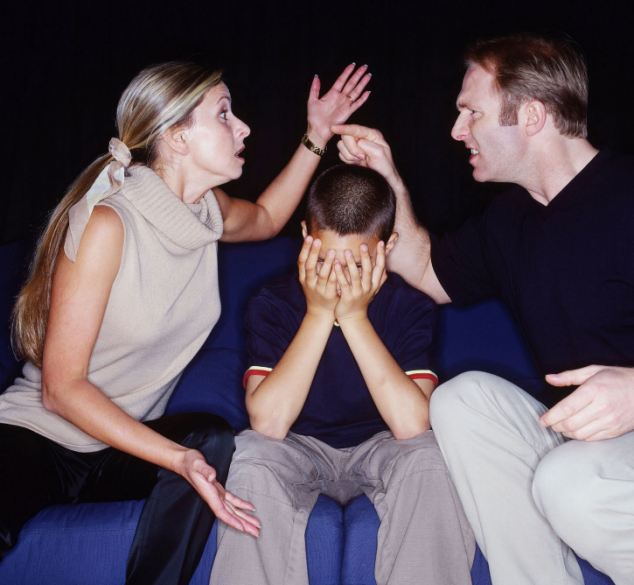
The Myth Concerning Children and Divorce

December 31, 2013


div

There is a myth currently circulating about the effect of divorce on children. Some are of the belief that since divorce has become so common, children are better able to deal with it. This is complete rubbish and is rejected by the evidence.

Just because something is more common doesn’t make it any easier to adjust to:

Divorced parents are often in denial about how badly the break-up has damaged their children, a survey has found.

More than three quarters believed their children had ‘coped well’ – even though just 18 per cent of youngsters said they were happy with the situation.

Many parents fail to notice that their children are turning to drink and drugs, or even considering suicide, the poll found. Some were insensitive enough to break the news of the divorce to their children by text.

One in five of the children polled felt there was no point confiding in either their mother or father because they were ‘too wrapped up in themselves’.

The survey, by parenting website Netmums, polled about 1,000 divorced parents and 100 children aged eight to 18 from broken homes.

Although it featured only a relatively small pool of youngsters, a stark picture emerged of the struggles that many of them face when coping with their parents’ break-up.

One in 20 had turned to alcohol and one in nine had deliberately wounded themselves. A further 6 per cent had considered suicide, while two of those polled had tried to kill themselves.

Almost a third described themselves as devastated by divorce, while one in 12 thought that it meant their mothers and fathers ‘didn’t love them’ and had ‘let  them down’.

But despite the damage wrought by their parents splitting, few children felt able to speak openly and honestly about their emotions.

Nearly 40 per cent said they hid their feelings from their parents because they did not want to  upset them.

Many children felt forced to look after their mothers and fathers as the relationship broke down, and 35 per cent claimed that one parent had tried to turn them against  the other.

To make things worse, parents often vastly underestimated the impact of their behaviour on their sons and daughters, the survey found. Only 8 per cent admitted trying to turn their children against their partner.

And just 10 per cent said their children had seen them fighting – even though 31 per cent of youngsters told of witnessing rows.

One in ten knew their children were hiding their true feelings about the divorce but fewer than one per cent were aware of them drinking, self harming or taking drugs to cope.


Click on the link to read The Psychological Impact of Divorce on Children

A World Where Sex Offenders Have “Human Rights” and their Victims Have None

December 23, 2013

POLICE

Striking a sex pedophile from a sex offender list is tantamount to reversing the crime. Tell that the victim who is almost certain to be scarred for life. There is no human right applicable to a person who raped another human being.

Reading this article makes me so angry. It’s political correctness gone mad. In pandering to the perpetrator we do worse than validate his crime, we become part of it:

More than 100 of the country’s most dangerous sex attackers – including paedophiles and violent rapists – have had their names secretly removed from the Sex Offenders’ Register, it has been revealed.

The criminals have used a human rights ruling to remove themselves from the list, arguing that they no longer pose a threat to the public.

The 108 convicts who have successfully used the argument, include one offender convicted of rape of a female under 13, another of burglary with intent to rape and one sentenced for buggery.

One police force removed a criminal convicted on seven counts of indecent assault on a boy under 16 from the register.

The figures were obtained under the Freedom of Information act, and asked for details of the number of convicted sex offenders who had their names removed from the register since the law was passed in September last year.

Nearly half of those who applied were successful, at rate of nearly four a week.

Those whose names have been removed from the list were once placed on it for life, but now no longer now no longer need to tell the police where they are living, or if they move near a school or young family.

Have Our Children Stopped Dreaming?

December 19, 2013

spec

AIMEE
I’ve thought it all out. We’re going to
live on a horse ranch, my husband and I.
I’ll work for NASA. And my husband…
he’ll do something completely different.
And we’ll offset each other. Like we’ll
have some things in common but we’ll also
have all these other dimensions that we
bring to the relationship. And that’s how
I know it’ll work.
JOE
(dismissive)
Sounds like a dream.
AIMEE
(right back at him)
It’s good to have dreams. Don’t you
think?

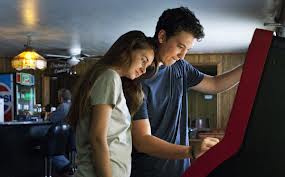
Above is dialogue from the best teenage drama I have seen in many years, The Spectacular Now.

It got me thinking. Do our children have dreams like our parents did? Like we did?

The generation of the moon landing always remind us that the event of man on the moon was not the main cause of celebration – it was the feeling that if we can walk on the moon, we can achieve anything we put our mind to.

Maybe those ambitions and dreams were dashed, leaving my generation feeling less convinced that vision and the determination to see it come to fruition is enough to make it happen. We still had dreams, but perhaps our faith in our capacity to see it through brought on a more lackluster work ethic and more brittle resolve.

Today’s children seem to have taken on our worst habits and abandoned the thirst for achieving something special. They don’t seem to know what they want to be or want to do. They often seem to lack the spark of self-belief to even contemplate achieving something monumental, or at least unique.

You might think I am being pessimistic when it comes to the next generation and their prospects for the future. This is certainly not the case. I have so much faith in our young. They have so much to offer and are extremely willing to learn. They just need to be ignited – to start believing again.

And they don’t need a moon landing or a Mars mission to get them dreaming again. They just need to look at their parents and teachers and role models and feel assured by what they see. If they see us living lives of integrity, taking smart risks, following our dreams, taking pleasure in our lives, they will understand that the hard work required is for a good reason. An achievable reason.We don’t want to raise a generation of children that shelves dreams in preference for the safe and boring road.

It’s up to us.

Tips for Calming Anxious Kids

December 12, 2013


tee

Courtesy of psychologist Daniel B. Peters, Ph.D:

Step 1: Teach How Our Brain and Body Work When We Are Scared

We all have a “fight or flight” survival response that is designed to keep us alive. We have a tiny ball of neurons called the amygdala (ah-mig-da-la), known as our fear center, that runs our in-body security system. When it senses danger, it sends adrenaline through our bodies to make us run fast and fight with one goal, survival!

Step 2: Identify Body Feelings

When your amygdala gets activated, you will feel the physical sensations of worry and fear in your body, especially your head, chest, stomach, and throat. This is because your heart has to beat super fast to get extra blood from your brain and stomach to your arms and legs so you can fight and run fast. The blood leaving our brain and stomach makes us feel light headed, have headaches, have stomachaches, butterflies, and make us nauseous. These feelings are our signal that the Worry Monster is messing with us! Any of them sound familiar?

Step 3: Externalize the Problem

Label your worries and fears as the “Worry Monster” who is a bully who is responsible for making you (and all of us) think worrisome and scary thoughts. The Worry Monster’s job is to keep us from enjoying life. He gets joy from picking on children (and adults) and making them worried and scared. The more you talk about the Worry Monster and gang up on him with your allies, the weaker he will get and the sooner he will go away.

Step 4: Make a Worry List

Make a list of everything your child (and you) worries about. The Worry Monster doesn’t like us to talk about him or how he works, so the more things you put on the list, the better. Once you have done this, put the worries and fears in order starting with the most powerful (severe) at the top and least powerful (mild) at the bottom of the list.

Step 5: Make a Success Ladder

Choose a behavior from the worry list and make a success ladder by breaking it down into baby steps, or rungs, with the ultimate fear or goal at the top of the ladder and the least scary behavior at the bottom. You will need to decide whether you can start with a single fear like swimming or whether the task needs to be broken into parts (looking at a pool) so that you can gain confidence by becoming used to each baby step along the way to conquering your fear.

Step 6: Identify Worrisome and Fearful Thinking

Think about what the Worry Monster tells you to make you feel worried and scared. Take out your worry list, and expose the Worry Monster’s secrets by writing down what he tells you to make you feel scared and worried. For example, next to the worry “being left alone,” you may write, “I might get left at school.” Uncover what he tells you for all your worries and fears — you are exposing him.

Step 7: Change and Modify Thinking

Next to the list of what the Worry Monster tells you, write down new thoughts that are healthier and more realistic. Ask yourself, “What am I thinking? How can I think about this differently?” For example, “I might get left at school,” gets changed to, “I have never been left before” and “Something bad might happen to my mom,” gets changed to, “My mom is strong and can take care of herself.”

Step 8: Practice, Practice, Practice!

Choose behavioral practice activities to tackle the Worry Monster head on. Go to your Success Ladder and start doing the first thing on the bottom of the list until you are bored of it. For example, if you are afraid of dogs, look at a book about dogs until it is not scary and then go to the next rung on the ladder (looking at dogs from far away). Keep moving up the ladder and work your way to the top. Sometimes it goes quickly and other times you may have to practice something over and over.

Step 9: Develop a Coping Toolbox

Make a personalized toolbox to help you take on the Worry Monster when he shows up. This toolbox usually consists of strategies like deep breathing, understanding where in your body you feel the worry and fear, knowing what makes you start worrying or feeling scared, questions to ask yourself to challenge your thinking (“Is it true?), statements to use against the Worry Monster (“I can do this!”; “Take a hike, you cowardly bully!”; “So what?”), exercise, and activities that distract you and help you relax.

Step 10 — Don’t Give Up!

Like all bullies, the Worry Monster does not give up easily. It takes a ton of courage and persistence to drive him away. You have talents to show the world and lots of life experiences to enjoy. By using these strategies, and working as a team, the Worry Monster doesn’t stand a chance. It is time for him to pick on somebody else. Don’t give up. You are a warrior. You can do this!


Click on the link to read 8 Year Old Indian Girl Divorces her 14 Year Old Husband

Click on the link to read Meet the Ten Year Old Girl Who has had a Thousand Criminals Arrested

Click on the link to read Tips For Kids in Dealing With Exams

Click on the link to read The Harmful Effects of Yelling at Students

Click on the link to read First Prize for a Primary School Raffle: A Rifle

Click on the link to read Another Reason why Television is Unealthy for Children

Kids Films You Might Regret Sharing with Your Children

December 11, 2013


ts3


Courtesy of Betsy Bozdech:

  • Bambi
    Why you should watch out: Bambi’s mother’s death takes place offscreen, but it’s still the first thing most viewers remember, even decades later. Bambi’s subsequent frantic search for her is almost as upsetting. Read the full review.


  • 2
    Dumbo
    Why you should watch out: Dumbo’s mother doesn’t die, but she’s cruelly separated from him after she’s provoked into a scary rampage. The follow-up scene in which she cradles him with her trunk through the bars of her cage window is gut-wrenching. Read the full review.


  • 3
    Finding Nemo
    Why you should watch out: Some parents we know just skip the first scene of this movie altogether until their kids are old enough to handle Nemo’s mom’s untimely demise at the jaws of a menacing predator fish. Read the full review.


  • 4
    The Land Before Time
    Why you should watch out: Young dinosaur Littlefoot’s mother is killed by an aggressive T-rex in this otherwise generally upbeat prehistoric adventure. Read the full review.


  • 5
    The Lion King
    Why you should watch out: Not only does Simba’s dad get trampled to death by a herd of stampeding wildebeests, but Simba unfairly blames himself for the tragedy. Read the full review.


  • 6
    Stepmom
    Why you should watch out: This story about a family dealing with divorce and remarriage takes a tragic turn when the kids’ mom is diagnosed with fatal cancer. Read the full review.


  • 7
    We Bought a Zoo
    Why you should watch out: Here, the mom passed away six months before the movie begins, but the impact on her family is very much in evidence. Sometimes watching characters deal with grief can be even more painful than the death itself. Read the full review.


  • 8
    Up
    Why you should watch out: While Ellie isn’t a parent (which is another emotional aspect of the movie), her death at the end of an extremely poignant montage early in the film has a powerful impact. Read the full review.


  • 9
    Bridge to Terabithia
    Why you should watch out: Anyone who’s read the book that this touching drama is based on knows what’s in store for fearless, imaginative Leslie — misfit Jess’ only friend — but those expecting a fantasy adventure à la Harry Potter should be warned: Tragedy ahead! Read the full review.


  • 10
    Grave of the Fireflies
    Why you should watch out: Beautifully animated but unrelentingly sad, this heartbreaking WWII-set anime tale centers on two children — brother and sister — who sicken and die. Read the full review.


  • 11
    My Girl
    Why you should watch out: The unexpected death of preteen Vada’s best friend (by bee sting, no less) hits many kids very hard, especially since much of the rest of the movie has a sweetly nostalgic feel. Read the full review.


  • 12
    The Odd Life of Timothy Green
    Why you should watch out: Technically Timothy doesn’t die, but he disappears forever, causing pain for those who loved him, which can be just as hard for kids to deal with. Read the full review.


  • 13
    E.T.
    Why you should watch out: No, E.T. isn’t exactly a child, and no, he doesn’t really die — but for a few moments, it seems as if he has, and those few moments can be enough to send young fans of the spunky little alien into a tailspin. Also, plenty of kids who love the little alien are still afraid that he might be living with their stuffed animals in the closet… Read the full review.


  • 14
    Charlotte’s Web
    Why you should watch out: When Wilbur’s dear friend and constant champion weaves her last web after doing so much for others, many kids are caught unprepared. Read the full review.


  • 15
    Marley & Me
    Why you should watch out: Many families decided to watch this based-on-a-true-story tale because of ads featuring silly dog antics… and were left distraught by Marley’s sad death. Read the full review.

(more…)

The New York Public Library’s 100 Most Requested Children’s Books

November 24, 2013


tied

Don’t listen to anyone that tells you books no longer make a good Christmas gift. Below are some of the most popular current titles to help you re-engage younger readers:

New York Public Library’s new list of the century’s 100 best kids’ books
“Alexander and the Terrible, Horrible, No Good, Very Bad Day” by Judith Viorst, illustrated by Ray Cruz (1972)
“All-of-a-Kind Family” by Sydney Taylor, illustrations by Helen John (1951)
“Amelia Bedelia” by Peggy Parish, illustrated by Fritz Siebel (1963)
“The Arrival” by Shaun Tan (2006)
“Bark, George” by Jules Feiffer (1999)
“Because of Winn-Dixie” by Kate DiCamillo (2000)
“Ben’s Trumpet” by Rachel Isadora (1979)
“Big Red Lollipop” by Rukhsana Khan, illustrated by Sophie Blackall (2010)
“The Birchbark House” by Louise Erdrich (1999)
“The Book of Three” by Lloyd Alexander (1964)
“The Bossy Gallito / El Gallo De Bodas: A Traditional Cuban Folktale” by Lucia M. Gonzalez
“Bread and Jam for Frances” by Russell Hoban, illustrated by Lillian Hoban (1964)
“Bridge to Terabithia” by Katherine Paterson (1977)
“Brown Bear, Brown Bear, What Do You See?” by Bill Martin Jr., illustrated by Eric Carle (1967)
“Caps for Sale” by Esphyr Slobodkina (1947)
“The Cat in the Hat” by Dr. Seuss (1957)
“Chains” by Laurie Halse Anderson (2008)
“A Chair For My Mother” by Vera B. Williams (1982)
“Charlotte’s Web” by E.B. White, illustrated by Garth Williams (1952)
“Chicka Chicka Boom Boom” by Bill Martin Jr. and John Archambault, illustrated by Lois Ehlert (1989)
“Corduroy” by Donald Freeman (1976)
“Curious George” by H.A. Rey (1941)
“Don’t Let the Pigeon Drive the Bus” by Mo Willems (2003)
“Esperanza Rising” by Pam Muoz Ryan (2000)
“Freight Train” by Donald Crews (1978)
“Frog and Toad Are Friends” by Arnold Lobel (1970)
“From the Mixed-Up Files of Mrs. Basil E. Frankweiler” by E.L. Konigsburg (1967)
“George and Martha” by James Marshall (1972)
“The Giver” by Lois Lowry (1993)
“Go Away, Big Green Monster!” by Ed Emberley (1992)
“Go, Dog, Go!” by P.D. Eastman (1961)
“Goodnight Moon” by Margaret Wise Brown, illustrated by Clement Hurd (1947)
“Grandfather’s Journey” by Allen Say (1993)
“The Graveyard Book” by Neil Gaiman (2008)
“Green Eggs and Ham” by Dr. Seuss (1960)
“Harold and the Purple Crayon” by Crockett Johnson (1955)
“Harriet the Spy” by Louise Fitzhugh (1964)
“Harry Potter and the Sorcerer’s Stone” by J.K. Rowling (1997)
“Hatchet” by Gary Paulsen (1989)
“The Hobbit” by J.R.R. Tolkien (1937)
“Holes” by Louis Sachar (1998)
“Honey I Love, and Other Poems” by Eloise Greenfield; ill. by Leo& Diane Dillon
“Ingri and Edgar Parin D’Aulaires Book of Greek Myths” by Ingri and Edgar Parin D’Aulaire (1962)
“The Invention of Hugo Cabret” by Brian Selznick (2007)
“Joseph Had a Little Overcoat” by Simms Taback (1999)
“Jumanji” by Chris Van Allsburg (1981)
“Lilly’s Purple Plastic Purse” by Kevin Henkes (1996)
“The Lion and the Mouse” by Jerry Pinkney (2009)
“The Lion, the Witch and the Wardrobe” by C.S. Lewis (1950)
#50 Little House in the Big Woods by Laura Ingalls Wilder, illustrated by Garth Williams (1932)
“The Little Prince” by Antoine de Saint-Exupery (1943)
“Lon Po Po: A Red-Riding Hood Story From China” by Ed Young (1989)
“Madeline” by Ludwig Bemelmans (1939)
“Make Way for Ducklings” by Robert McCloskey (1941)
“Matilda” by Roald Dahl, illustrated by Quentin Blake (1988)
“Meet Danitra Brown” by Nikki Grimes, illustrated by Floyd Cooper (1994)
“Mike Mulligan’s Steam Shovel” by Virginia Lee Burton (1939)
“Millions of Cats” by Wanda Gag (1928)
“Miss Nelson is Missing!” by Harry Allard, illustrated by James Marshall (1977)
“Mr. Popper’s Penguins” by Richard and Florence Atwater; illustrated by Robert Lawson
“Mrs. Frisby and the Rats of NIMH” by Robert C. O’Brien (1971)
“Mufaro’s Beautiful Daughters” by John Steptoe (1987)
“My Father’s Dragon” by Ruth Stiles Gannett, illustrated by Ruth Chrisman Gannett (1948)
“My Name is Yoon” by Helen Recorvits, illustrated by Gabi Swiatkowska (2003)
“Olivia” by Ian Falconer (2000)
“One Crazy Summer” by Rita Williams Garcia (2010)
“The People Could Fly” by Virginia Hamilton, illustrated by Leo & Diane Dillon (2004)
“The Phantom Tollbooth” by Norton Juster, illustrated by Jules Feiffer (1961)
“Pierre” by Maurice Sendak (1962)
“Pink and Say” by Patricia Polacco (1994)
“Pippi Longstocking” by Astrid Lindgren (1950)
“Pyramid” by David Macaulay (1975)
“Ramona the Pest” by Beverly Cleary (1968)
“Rickshaw Girl” by Mitali Perkins, illustrated by Jamie Hogan (2007)
“Roll of Thunder, Hear My Cry” by Mildred Taylor (1976)
“Rumpelstiltskin” by Paul O. Zelinsky (1986)
“A Sick Day for Amos McGee” by Philip Stead, illustrated by Erin E. Stead (2010)
“The Snowy Day” by Ezra Jack Keats (1962)
“Stone Soup” by Marcia Brown (1947)
“The Stories Julian Tells” by Ann Cameron, illustrated by Ann Strugnell (1981)
“The Story of Ferdinand” by Munro Leaf, illustrated by Robert Lawson (1936)
“Strega Nona” by Tomie de Paola (1975)
“Swimmy” by Leo Lionni (1963)
“Sylvester and the Magic Pebble” by William Steig (1969)
“Tales of a Fourth Grade Nothing” by Judy Blume (1972)
“Tar Beach” by Faith Ringgold (1991)
“The Tales of Uncle Remus: The Adventures of Brer Rabbit” by Julius Lester, illustrated by Jerry Pinkney (1987)
“Ten Nine Eight” by Molly Bang (1983)
“Tomie dePaola’s Mother Goose” by Tomie dePaola (1985)
“The True Story of the Three Little Pigs” by Jon Scieszka, illustrated by Lane Smith (1989)
“Tuesday” by David Wiesner (1991)
“The Very Hungry Caterpillar” by Eric Carle (1979)
“The Watsons Go to Birmingham, 1963” by Christopher Paul Curtis (1995)
“The Westing Game” by Ellen Raskin (1978)
“When You Reach Me” by Rebecca Stead (2009)
“Where Is the Green Sheep?” by Mem Fox, illustrated by Judy Horacek (2004)
“Where the Wild Things Are” by Maurice Sendak (1963)
“Why Mosquitoes Buzz in People’s Ears” by Verna Aardema, illustrated by Leo and Diane Dillon (1975)
“Winnie-the-Pooh” by A.A. Milne, illustrated by E.H. Shepard (1926)
“A Wrinkle in Time” by Madeleine L’Engle (1962)


Click on the link to read Stunning Photographs of the Most Beautiful Libraries in the World

Click on the link to read The Call to Stop Kids From Reading Books they Actually Enjoy

Click on the link to read The Classic Children’s Books they Tried to Ban

Click on the link to read How Spelling Mistakes can Turn a Compliment into Something Quite Different.

Click on the link to read Why Spelling is Important at Starbucks

Click on the link to read The Ability to Spell is a Prerequisite for Getting a Tattoo (Photos)

Click on the link to read This is What Happens When You Rely on Spell Check


More than 1 in 10 U.S. Children Diagnosed with ADHD!

November 23, 2013


perks

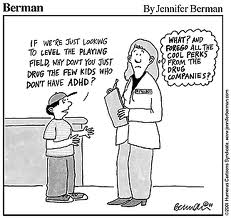
Does anyone actually believe this figure is a true reflection of how many children actually legitimately suffer from the condition?

The number of U.S. children with attention deficit hyperactivity disorder continues to rise but may be leveling off a bit, a new survey shows.

More than 1 in 10 children has been diagnosed with it, according to the Centers for Disease Control and Prevention, which surveyed more than 95,000 parents in 2011.

ADHD diagnoses have been rising since at least 1997, according to CDC data. Experts think that’s because more doctors are looking for ADHD, and more parents know about it.

The condition makes it hard for kids to pay attention and control impulsive behaviors. It’s often treated with drugs, behavioral therapy, or both.

The latest survey found about 11 percent of children ages 4 through 17 had been diagnosed with ADHD. That translates to nearly 6 ½ million children. Half of children are diagnosed by age 6, the study found.

A 2007 survey put ADHD diagnoses at 9.5 percent of kids.

The CDC survey asked parents if a health care provider told them their child had ADHD. It’s not known how thorough the assessment was to reach that conclusion.

ADHD diagnoses were increasing at a rate of about 6 percent a year in the mid-2000s, but slowed to 4 percent a year from 2007 to 2011. That may reflect that doctors are closer to diagnosing most of the kids with the condition, said the CDC’s Susanna Visser, the study’s lead author.


Click on the link to read my post on Doctors are Hypocrites When it Comes to ADHD

Click on the link to read my post on Shock Horror: Sleep Deprived Children Diagnosed with ADHD Instead!

Click on the link to read my post on ‘If my Son was a Dog, I’d Have him Put Down’: Mother of ADHD Child

Click on the link to read my post on Why Are There So Many Children Exposed to Prescription Drugs?

Click on the link to read School Nurse Arrested for Stealing Students’ ADD Pills

Click on the link to read The Rampant Misuse of ADHD Pills

How Life Changes When You Become a Parent (Video)

November 19, 2013


As much as I enjoyed comedian Michael McIntyre‘s hilarious take on the differences between being post and pre-parenthood, I couldn’t help thinking about one crucial fact – as hard as it is being a parent, boy it’s worth it!


Click on the link to read How to Spend Time With Your Kids When You Have No Time

Click on the link to read The Meaning of Being a Father (Video)

Click on the link to read 24 Signs You Are a Mother

Click on the link to read A Father’s Priceless Reaction to his Son’s Report Card (Video)

Click on the link to read A New Way to Get Kids to Brush Their Teeth

Click on the link to read Tips to Help Parents Control Their Kids’ TV Habits

Click on the link to read 10 Steps Parents Can Take if their Child is Being Bullied

Teaching Kids the Importance of Hard Work

November 18, 2013


Watch how this father makes his young children literally scale the wall for a piece of candy. I bet those chocolate bars never tasted so good!


Click on the link to read Young Love Elementary School Style

Click on the link to read What Age Should Children Start School At?

Click on the link to read Fun Facts about Children

Click on the link to read Teaching Children to be Honest Yet Respectful

Click on the link to read The Children of Today Show a Lack of Respect For Authority

Click on the link to read Is There Anything Better than an Inspirational Child? (Video)