Posts Tagged ‘Children’

8 Things You Will Find in a Successful Classroom

April 23, 2013

>

Courtesy of educator, speaker and blogger, George Couros:

1.  Voice – Students should have the opportunity to not only learn from others but also share their learning with others as well.  We live in a world where everyone has a voice and if we do not teach our students to use this effectively, they will definitely struggle.  To me, this is so simple yet so essential.

2.  Choice – This is not only about how students learn, but also what they learn about.  How do they further their learning in areas of interests to them?  Throughout the first few years of university I did poorly, yet in my final few years my grades were better than they ever had been.  What was the difference?  I actually cared what I was learning about.  Strengths based learning is extremely important.

3.  Time for Reflection – Classrooms are an extremely busy place and I understand that many feel that they are rushed through the curriculum, but I think that taking the time to connect and reflect on what is being learned gives learners a better opportunity to really understand what they have learned.  I know many classrooms have DEAR time (drop everything and read), so why do we not have time to simply write and reflect?  This is not only for students, but for teachers and administrators as well.

4.   Opportunities for Innovation– Recently I visited Greystone Centennial Middle School during “Innovation Week” and saw students that created a hovercraft (not kidding) using things that they had around the house.  They were able to guide it around the gym and it was able to carry people around.  These kids were in grade 9.

When I asked the students about this opportunity, they had told me that they had saw something similar on YouTube but it was missing a few elements that they wanted to add.  They made it new and better.  I can only imagine what the students will do after they leave school because of this day, not in spite of it.

5.  Critical Thinkers – In the “factory model” of education, students were meant to be compliant and basically do “as they were told.”  This is not something that sticks with a child only, but goes into adulthood as well and it creates “yes” people who tend to lose all originality.  One of my best friends and my first admin partner, told me to never just let him go out on his own with his ideas without questioning them and sharing my thoughts.  His reason?  He wanted the best ideas, not his ideas.  He wanted me to ask questions.  He wanted to be successful.  It was not his ego that was important, but the success of his staff and students.  I have learned to ask the same of all those I work with and although it can turn into spirited conversations, it is was best not only for school but all organizations.  We need to have students that are able to ask questions and challenge what they see, but always in a respectful way.

6.  Problem Solvers/FindersEwan McIntosh has a brilliant Ted Talk discusses the notion of “problem-based learning” and how it is not beneficial to give students problems that aren’t real.  Instead, he focuses on the idea that students need to be “problem finders”; being able to find some tough challenges and then being able to solve those problems.  Megan Howard shares a wonderful story of how one of her grade six students was able to see that there was a problem with classmates losing their school uniforms and then being able to use QR codes to be able to identify them.  Let’s start asking kids to really look into finding what the problems are and giving them some purpose in solving something real.

7.  Self-Assessment – I don’t think that I have ever heard a teacher say, “I can’t wait until we get to write report cards!”  That being said, I think we spend too much time focusing on being able to tell others what our students can do and know, and not enough time helping students understand those things themselves.  Portfolios are a great way to share this knowledge and will actually have students develop their own understanding of what they know.  If you can write in a report card that a student can do something in October, yet they can’t do it in January, is that report card still relevant?  I think that we should spend more time working with students to teach them how to assess themselves and not just do it for them.

8. Connected Learning – When I first started teaching, I remember really struggling with science.  It was a subject that I struggled with as a learner and that continued on as a teacher.  I now think that if I was in the classroom, that the best person to teach science wouldn’t be me, but a scientist.  With most people that having a computer also having a Skype account, there are many that are willing to share their expertise in different areas.  This does not only have to be via technology, but we should also be bring in experts from our community to talk to students.  I know many teachers have done this for a long time, but technology opens the doors to people that we could not even imagine being a part of our classroom even ten years ago.  Even Shaquille O’neal has made some time to  Skype with students in one school.

Click on the link to read Inviting the KKK to Your Classroom is Irresponsible

Click on the link to read Could This be the Most Violent High School Test Question Ever?

Click on the link to read Six Valuable Steps to Making Positive Changes in Your Teaching

Click on the link to read 10 Art Related Games for the Classroom

Click on the link to read 5 Rules for Rewarding Students

Click on the link to read Tips for Engaging the Struggling Learner


6 Messages For Children After a Tragedy

April 21, 2013

Courtesy of educator and child advocate Pam Allyn:

1. Most of the time, people are trying to do the right thing.

“When I was a boy and I would see scary things in the news, my mother would say to me, ‘Look for the helpers. You will always find people who are helping.'”

This message from Mr. Rogers is particularly helpful for a child who needs a strategy to counteract the horror of the image he sees on television or right before him. Day after day, friendly people give up seats on a train to someone who needs it more, share a gift with someone or run in the direction of danger to help, as many did in Boston. Tell these stories to a child. Put the spotlight on the helpers.

2. Anger is OK. Sometimes it is very useful.

For a child, anger is a complicated emotion. Children are sometimes told it’s not an appropriate feeling. But they feel it nevertheless, and wonder what to do about it. We can help children to not only manage those feelings, but convert them. Consider heroes like Martin Luther King, Mother Theresa and Mahatma Gandhi, who have become known over the years for their peaceful, non-violent solutions to world problems. In fact, each of them burned with anger and then turned this anger into real action. Read aloud to your child from great speeches by Martin Luther King, Jr. and by other heroes who spoke out against injustice. Let them see the real human effort involved in converting anger to action.

3. The world is safer than it sometimes seems.

When a tragedy happens, a child’s world is shaken. Nothing feels safe. It is important to help children re-frame their world so as to remind him or her of the daily ways we live so securely. We travel, eat, sleep, talk, make friends, go to work and school all many, many times and all around the world every single day and a million times a year. These are all blessings we can count on. Use this opportunity to give your child a notebook or make a file on the computer for your child to keep a diary of the day’s events, and to savor in the ordinary. Reminders of how ordinary every day generally is are very comforting to a child who wants to count on the steadiness of the world and believe in it again.

4. The world is genuinely beautiful.

The television images are gruesome after a tragedy. It is very challenging to keep those images from children, although we can try. There is an antidote and that is the beauty of the world itself. Collect such images with your child, in photos and in writing. Create photo book collections of trees, flowers and people’s faces. Remind your child these things exist, and some are of nature and some are made by man, but that we can practice each day to find beauty all around us. That takes practice too.

5. Learning how to read helps us make sense of the world.

The child who is overwhelmed by images can feel powerless. This is an opportunity to talk about the power of words. Reading gives us control, giving us ways to find what we need on our own and also makes us happy. Show children examples of this. Learn more about emergency workers and what they do in their jobs. Learn together about ways to solve problems. Find out new information about different parts of the world. Read picture books that comfort, soothe and distract.

6. Our simple and every day acts of kindness will make a difference.

Doing simple acts of kindness can counteract the awful feeling we all get after a tragedy that we don’t know how to help. Keep a notebook together called “Daily Acts of Kindness” and fill it each evening with things that have touched you both, or things you both have done for others. These actions are comforting both for the giver and the receiver.


Click on the link to read Advice for Talking With Your Kids About the Boston Marathon Attack


Click on the link to read A Teacher’s Guide to Talking to Students About the Newtown School Shooting

Click on the link to read Explaining the Sandy Hook Elementary School Shooting to Children

Click on the link to read Helping Kids Cope in the Aftermath of Sandy

Click here to read ‘Helping Our Children Make Sense of Natural Disasters’.


When Children Say Too Much

April 19, 2013

It is important to remind your children that there are certain secrets and personal family stories that they shouldn’t be revealing in class. It is very common for students to say things about their mother or father that would cause them much embarrassment.

That is why an assignment calling for students to write one sentence about a family member, and draw a picture of it, was always going to be a bit risky. It is no wonder that one student submitted this:


Click on the link to read Look What This Father Designed for His Son (Photos)

Click on the link to read This New Craze Proves that Adults are Just Bigger Versions of Children

Tips For Parents on Packing a Healthy Lunch Box

April 9, 2013

lunch

The following tips are courtesy of bodyandsoul.com.au. Remember that a healthy lunch can do wonders in helping children concentrate in class:

1. Avoid processed foods

Avoid packing processed snack foods such as chips, sweet biscuits, chocolates, commercially-made muffins and breakfast bars. These contain high amounts of sugar, salt and fat, and are best left as a “sometimes” treat to be eaten at home. They shouldn’t make a regular addition to your kid’s school lunch box. If eaten too often, these types of foods can increase the risk of your kids putting on weight and developing type-2 diabetes and heart problems later on in life.


2. Healthy snacks

A healthier and cost-effective alternative is to buy your own fresh, natural ingredients and prepare your own snacks for the kids. Some great healthy snack ideas include wholegrain crackers, rice cakes or vegie sticks with hummus or cubes of low-fat cheese, small tubs of yoghurt, dried fruit and mixed raw nuts (avoid nuts if there is a ‘no nut policy’ at your kids’ school). Or if you’re prepared to get cooking, homemade fruit muffins, banana bread, oat cookies or muesli slices, are other great healthy treats to give kids.


3. Add fresh fruit

Always pack a piece of fruit for your child. Fruit is rich in vitamins A and C and antioxidants needed for strong immune systems. If you have trouble getting your kids to eat fruit, try these tips: pack a container of grapes, berries or cherries; give them a kiwi fruit to eat with a spoon; or mix diced fruit through a small tub of yoghurt. Tip: if you are cutting apples squeeze a little lemon juice over it so it won’t go brown.


4. No white bread

I recommend staying well away from white bread and make kids’ sandwiches with wholegrain bread. This is higher in fibre (to look after their bowel health) and also gives their tummy that feeling of fullness after their meal. Wholegrains are made up of slow-releasing carbohydrates which provides kids with energy to fuel their bodies and brains through the day, and helps support concentration at school too.


5. Pack in the protein

Be sure to include some type of protein with your child’s lunch. Protein is needed for kids’ healthy growth and development. It helps stabalise blood sugar levels, so your kids won’t have a dip in energy and craving sugary junk foods. Some good protein-rich sandwich fillings include low-fat cheese, hummus, tinned tuna or salmon, lean meat slices, chicken, turkey or a boiled egg. You could also include a protein-rich snack like a mix of raw nuts and seeds, yoghurt or cheese with crackers.


6. Add some veg

To get kids to eat their veggies through the day, give them chopped-up carrot or celery sticks packed with a small tub of hummus or cottage cheese. Or add some grated carrot, cucumber, capsicum or lettuce to sandwiches. Leftover roast vegies also make great sandwich fillers too.


7. Fruit juice warning

Avoid giving kids popper juices as too much fruit juice (and added sugars) can cause tooth erosion. If you need to give them fruit juice make sure you dilute it in a drink bottle, or buy one without added sugars.


8. Drink water

Always pack a bottle of water with your child’s lunch. It is important that kids drink plenty of water throughout the day to stay hydrated, especially if they are running around outside in the hot weather. Put water bottles cool in a cold pack to keep them cool.

9. Nutritious sandwich fillings

Leftovers make for nutritious (and handy) sandwich fillers too. For something different try mixing left-over frittata, pasta, rissoles, fish cakes, roast chicken or lamb on your kids’ sandwiches.


10. Other than Vegemite

If they insist on having the traditional Vegemite, peanut butter or honey sandwiches each day, here are a few tips to make their favourites more nutritious. For Vegemite lovers (there’s now one available with low soidium too), a healthy combo is to mix it with either lettuce, avocado, crushed walnuts or cheese. If your child is going through a peanut butter stage, buy an all-natural one made from pure peanuts (without all the added salt, fat and sugar). Almond butter is also delicious and a great source of good fats, protein and calcium. Sliced banana or ricotta taste great with nut butters too. And since honey is high in sugar, you don’t want to be giving it to them all the time. However buying a raw honey and adding it to some sliced banana, ricotta or nut butter makes a more nutritious sandwich filling.


Click on the link to read my post on Getting Kids to Eat Healthy Food

Click on the link to read my post on A Long School Day With No Time to Eat

Click on the link to read my post on 6 Strategies for Promoting Healthy Food to Kids.

Click on the link to read 5 Ways to Get Kids Active

Click on the link to read Food Giants Marketing Unhealthy Kids Foods as Healthy

Click on the link to read Good Heavens! It’s the Lunch Box Police!

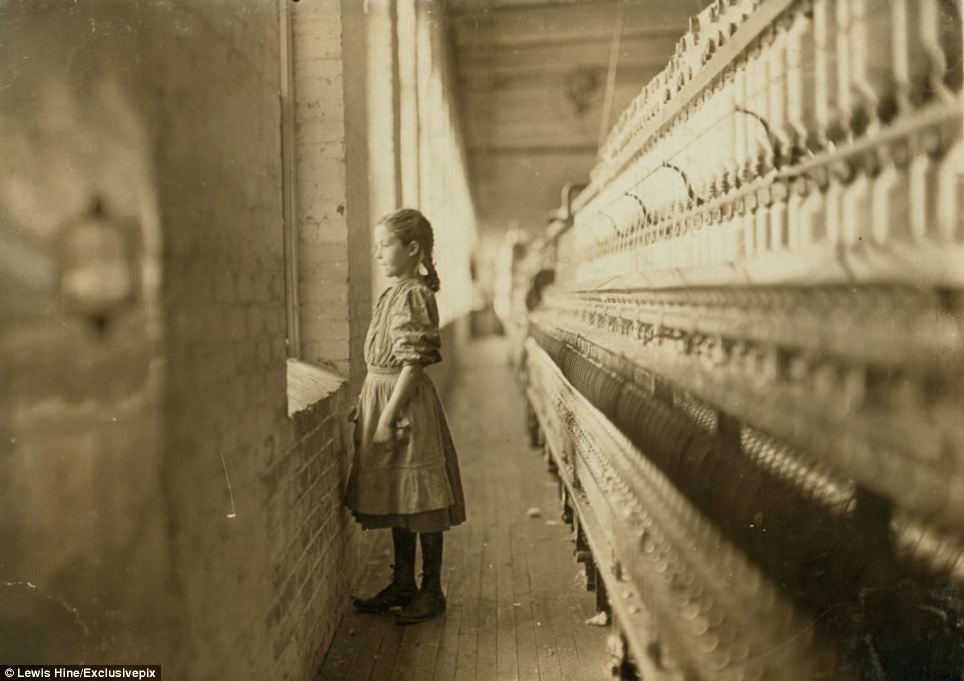
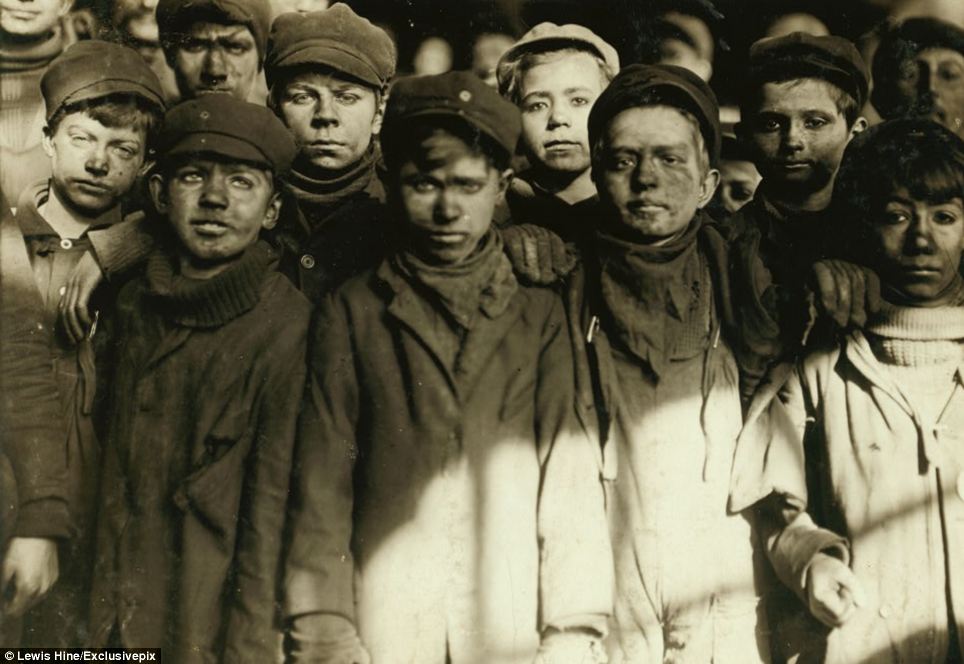
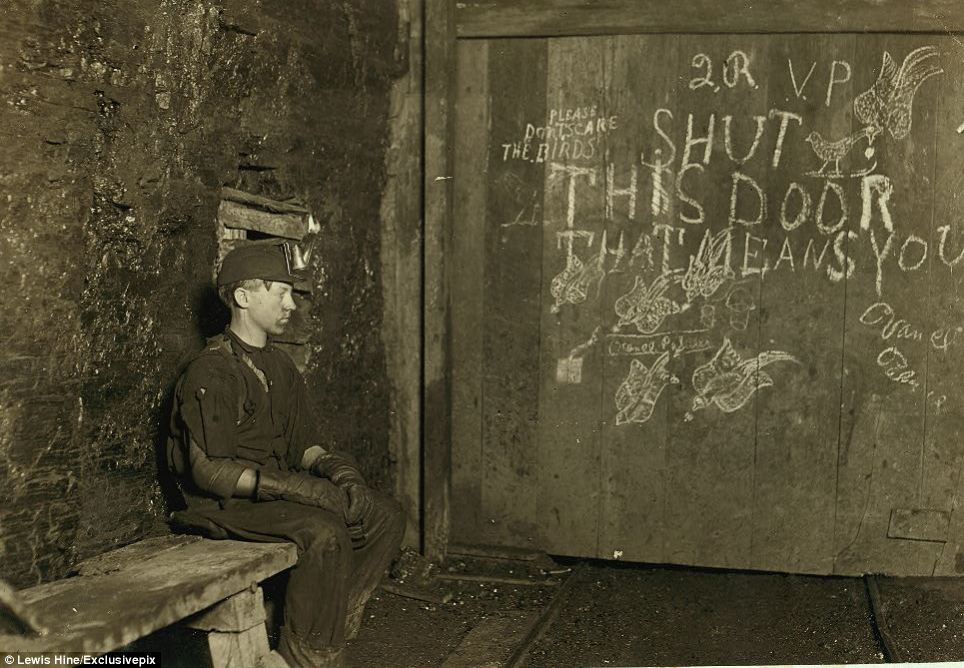
Vivid Photographs Depicting Child Labour

April 9, 2013

lab1


These landmark photographs helped bring in laws protecting youngsters:


lab2

lab3

lab5

lab6


Click on the link to read My Heart Bleeds for Children Who Are Exploited

Click on the link to read The People Who “Liked” This Should be Struck Off Facebook

Click on the link to read How Giving Your Children a Bath Can Get You on a Sex Offender Registry

Click on the link to read Don’t Look for Rolemodels from Our Sporting Stars

Click on the link to read It is Shameful to Claim that Paedophilia is NOT a Crime

Click on the link to read Dad’s Letter to 13-Year Old Son after Discovering he had been Downloading from Porn Sites


Tips for Parents of Bullied Children

April 7, 2013

dad

There are many parents out there struggling to know what to do to address the emotional wellbeing of their bullied children. They realise that it is often unhelpful to confront the bully’s parents and they certainly understand that confronting the bully is not acceptable. But what then do they do? They can’t just sit on their hands and hope the problem resolves itself. It’s just as likely to get worse as it is to go away.

So what can be done?

I like these tips from ncpc.org:

  • Talk to your child’s teacher about it instead of confronting the bully’s parents. If the teacher doesn’t act to stop the bullying, talk to the principal.
  • Teach your child nonviolent ways to deal with bullies, like walking away, playing with friends, or talking it out.
  • Help your child act with self-confidence. With him or her, practice walking upright, looking people in the eye, and speaking clearly.
  • Don’t encourage your child to fight. This could lead to him or her getting hurt, getting in trouble, and beginning more serious problems with the bully.
  • Involve your child in activities outside of school. This way he or she can make friends in a different social circle.

The last tip is a common one that doesn’t appeal to me. The child should not have to find a different social circle just because the one he/she is in is unforgiving and intolerant. It says little for the school if they can’t promote social opportunities for your child.

The key tip is to consult the classroom teacher. But do more than just relay your concerns. Ask how the teacher is going to monitor and deal with the situation and then make a meeting for a fortnights to debrief with the teacher about how they are activating their plan. This follow up meeting lets the teacher know that you will not settle for anything less than a quick and focused response.


Click on the link to read School Official’s Solution to Harassed Teen: Get a Breast Reduction

Click on the link to read Sickening Video of Girl Being Bullied for Having Ginger Hair

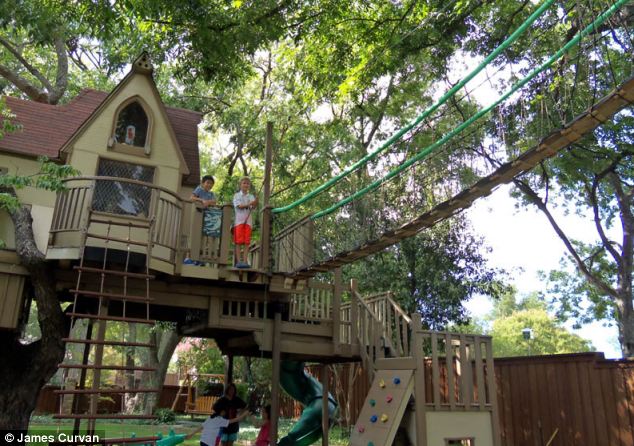
Pictures of the World’s Best Treehouse

April 4, 2013

th1


Just when you thought the treehouse was a thing of the past!

th2

th3

th4

th5


Click on the link to read Is There Anything Better than an Inspirational Child? (Video)

Click on the link to read Instead of Teaching a Baby to Read, Teach it to Smile

Click on the link to read The 15 Most Commonly Misspelled Words in the English Language

Click on the link to read Who Said Grammar Isn’t Important?

Click on the link to read Why Spelling is Important

Love According to Children

February 14, 2013


Happy Valentines Day!


Click on the link to read The ‘Meanest Mother’ Isn’t Mean at All (Photo)

Click on the link to read The Most Popular Lies that Parents Tell their Children

Click on the link to read The Innocence of Youth

Click on the link to read Kid’s Cute Note to the Tooth Fairy

Click on the link to read A Joke at the Expense of Your Own Child

Children Protected From Experiencing Anything Remotely Fun

January 17, 2013

bath

Reflecting on my childhood (which wasn’t THAT long ago), I remember playing sporting games on our street with the neighbours, climbing trees, building Lego villages and riding bikes.

I was stunned when I first heard a class of grown kids that confessed to not being able to ride a bike. Sure, they are experts at driving a computerised racing car or skateboard on their game consoles. But an actual bike? Not a chance!

Why then, should I be surprised that many can’t jump or throw a ball correctly either:

Thousands of children are starting secondary school unable to run, jump, throw a ball or catch, the head of UK Sport has said.

Susan Campbell has claimed ‘physically illiterate’ children ‘hardly move’ by the time they are ready to make the transition from primary school.

And she said the legacy of the Olympics in the summer could be lost if teachers in primary schools did not receive specialist PE training.

She warned some 11-year-olds aren’t able to take part in the most basic of sports by the time they go to secondary school.

Baroness Campbell, chairwoman of UK Sport and the Youth Sport Trust, said sport should be taken as seriously as literacy and numeracy in primary schools.

And she has called for primary school teachers to receive extra training in PE.

Parents, not without good reason, are reluctant to give their children the opportunity of playing on the streets because of the many potential risks that exist. Whether these risks are as prevalent as we have been raised to believe is questionable. Whether these risks should be weighed up with the many benefits of having our children experience the joys of bike riding and outdoor sports is worth discussing.

The ‘Meanest Mother’ Isn’t Mean at All (Photo)

January 17, 2013

mean

Bravo to this mother for imposing real and lasting consequences for her son’s serious breach of law and common sense. She is not even close to ‘mean’. In actual fact, if she had done nothing she would have been far meaner. This response may well save her son’s life (not to mention others).

If only more parents were able to deal with incidents in a decisive, exacting, yet fair manner.


Click on the link to read When Do I Admit That the Tooth Fairy Doesn’t Exist?

Click on the link to read The Most Popular Lies that Parents Tell their Children

Click on the link to read The Innocence of Youth

Click on the link to read Kid’s Cute Note to the Tooth Fairy

Click on the link to read A Joke at the Expense of Your Own Child