Posts Tagged ‘Parenting’

Never Take the Dream out of the Child

March 3, 2014

ellis cashmore

It doesn’t matter how far fetched a child’s dreams may be, or how much it seems to distract them from their schoolwork, their dreams are vital to their growth and development.

A child’s dream is indicative of where their passions lie, and too many of us suppress our passions in favor of the socially acceptable and mundane. Not every child can become a pop star or gold medalist, but there is nothing wrong with aspiring to be either.

When I was a teenager I wished to be involved with movie making. I didn’t have to be the star or the director, I would have settled being the personal assistant to the editor.

Fast forward to adulthood and I may not be in the movie industry as such, but my desire to make it in movies was particularly helpful and instructive. It made me aware that what I really wanted was to make a difference. Just like the movies I watched as a child made a difference to me, I wanted to find a career that would allow me to inspire others.

That’s why I am completely at odds with the academic that spoke against allowing children to dream big:

Focusing on sporting success is a waste of time because ‘very, very few children’ are going to make it, an academic has said.

Ellis Cashmore, a professor of culture, media and sport at Staffordshire University, says there is little proof that the Olympic Games create any kind of meaningful sporting legacy.

And he believes it is high time parents realised children are more likely to make the finals of shows like The X Factor and Britain’s Got Talent than become sporting heroes of any sort.

‘We shouldn’t be trying to channel all of our energy into this pursuit of excellence in sports when very, very few children are going to succeed at any kind of level at all,’ he said.

‘My answer to parents who tell me their child might become a leading footballer or athlete is that they are putting them at risk of serious injury or closer to the world of performance-enhancing drugs.

‘I ask them: “Are you happy about that?” and they say: “It won’t happen to my child”.

‘To which I reply: “But it goes with the territory”. The cheats are very often those at the top.

Ellis Cashmore says there is little proof that the Olympic Games create any kind of meaningful sporting legacy

‘Do we want to churn out one-dimensional characters who leave no stone unturned in pursuit of excellence?’


Click on the link to read The Snow Day Song that Has Gone Viral (Video)

Click on the link to read Is Tiger Mom a Racist?

Click on the link to read 44 Things Parents Say to their Kids to Get them to Eat

Click on the link to read Should Teachers be Able to Tell People they Are Bad Parents?

Click on the link to read Loving Parents Are Allowed to Take Some Time Out

5 Reasons Why It’s Healthy to Encourage Children to Play

March 1, 2014


play

Child and Adolescent Psychotherapist, Katie Hurley, lists 5 reasons why play is beneficial for children:

1. Stress relief:

Play provides an opportunity for young children to process and work through the negative emotions they encounter throughout the day. Being a kid might seem like all fun and games, and perhaps their “problems” seem insignificant at times, but they do encounter stress along the way. heir problems feel big and overwhelming to them.

Children work through all kinds of emotions when engrossed in unstructured play. They might start out feeling stressed, but once lost in a world of imagination, they gradually let go of their stress and restore a sense of calm.

2. Emotional regulation:

Parents often ask me how to teach their children the art of emotional regulation. Little kids tend to have very big feelings and they often react before they have time to even process the event that triggered the feelings.

Through play, children learn to control their impulses and work through their emotions. They learn to find the triggers and problem-solve potential solutions.

3. Better social interaction skills:

Unstructured group play is the best way to let kids work on social interaction skills. When engrossed in group play, kids have to learn how to cooperate, resolve conflicts, empathize with others, and relate to peers.

4. Promotes creative problem-solving:

You can memorize answers to math questions (and you can even memorize strategies to solve difficult math problems), but you can’t memorize ways to solve real-life problems. What if a puzzle piece goes missing? What if another child is left out of a group? What if the tower just won’t stay up?

Children face a variety of problems each day, and these problems vary by age and stage. They have to learn how to step back and evaluate a situation before giving up or becoming hysterical. They have to learn how to think outside of the box. And that is something they can learn through the power of play.

5. Promotes learning:

The great irony of increasing academic pressure at the expense of unstructured play is that play actually promotes learning. Have you ever watched kids dump out a recycling bin and build something from nothing just because they felt like it? It takes planning, creative thinking, cooperation and resourcefulness to transform a bunch of old cardboard into a monster truck show, you know.

Play is the most natural learning style for children. They learn from play from the very first moment they shove wooden blocks into their mouths and they continue to learn through more advanced play as they grow.

So go ahead and say no to that party this weekend, speak up when the academics become overwhelming and start cutting back on those extracurricular activities. Happier, and less stressful, days are ahead for children. All you have to do is let them play.


Click on the link to read Allowing Children to Stand Out From the Pack

Click on the link to read Hilarious Examples of Kids Telling It As It Is

Click on the link to read Kids Can Operate an iPad but Can’t Tie their Shoelaces

Click on the link to read What is the Difference Between Over-Praising Children and Lying to Them?

Click on the link to read The Skills Kids Can Learn from Traditional Board Games

Father Builds his Son the Coolest Desk Ever! (Video)

February 26, 2014


desk


I love it when parents build on the interests and imagination of their children. I wish I could build something like this for my children.


Click on the link to read The Meaning of Being a Father (Video)

Click on the link to read Reflections from a Year as a Stay-at-Home Dad

Click on the link to read Inspirational Dad Competes In Triathlon With Daughter Who Has Cerebral Palsy

Click on the link to read Dad Creates Brilliant Halloween Costume for Wheelchair Bound Son

Click on the link to read Look What This Father Designed for His Son (Photos)

Allowing Children to Stand Out From the Pack

February 24, 2014


cell

Not everyone can be a leader.

In every community there are natural leaders and people more comfortable with following. That doesn’t mean that the followers are blind. Their mission is to find the right person or persons to follow.

And even within the system of leaders and followers, it is vital for all concerned to realise that they all have unique gifts and characteristics which they need to harness, even at the cost of seeming different.

But people don’t like being different. They feel it makes them stand out in a negative way and it reduces their opportunities for gaining respect and acceptance from their peers.

In the classroom this is depicted by the academically gifted student who tones down their effort levels so as not to stand out. Commonly classified as a form of peer pressure, it makes children feel like they need to be seen to have the same tastes in movies, clothes, songs and interests as the pack, just to fit in.

I look at the picture above and I feel sad that doing something different looks odd or uncomfortable. Surely, as teachers, we should be working towards creating a classroom environment where each child is made aware of their unique skills and qualities and is able to express themselves without risk of excommunication.


Click on the link to read Hilarious Examples of Kids Telling It As It Is

Click on the link to read Kids Can Operate an iPad but Can’t Tie their Shoelaces

Click on the link to read What is the Difference Between Over-Praising Children and Lying to Them?

Click on the link to read The Skills Kids Can Learn from Traditional Board Games

Click on the link to read Our Impressionable Children are Desperately Looking for Positive Rolemodels


Kids and Celebrities: A Reality Check

February 23, 2014

charlotte dawson

“Academy Award winning actors have it all.”

“I’d die to become a TV star.”

“That sports star has it all. Money, a gorgeous partner, a mansion …”

“I’d be so happy if I had that model’s looks.”


Our children grow up believing that fame and fortune comes without its price. That the celebrities adorning their bedroom walls are the definition of happiness and that being well known equates to being well liked.

It’s all a lie.

Unfortunately, the events of the past month prove how false this theory is. First there was the giant of an actor, Phillip Seymour Hoffman, whose potential for further groundbreaking performances was destroyed at the hands of a drug addiction.

This morning I heard the sad news of the death of local model and television star, Charlotte Dawson. Apparently, she died as a result of debilitating chronic depression which she had experienced for some time.

Our celebrities are human. They make mistakes, they have bad habits and they have their ups and downs like we all do.

Instead of setting children up to believing that happiness lies in a bank balance or a golden statue, let’s show them how they can find some real happiness for themselves.


Click on the link to read Athletes Can Set a Better Example for Our Kids

Click on the link to read Classroom Resources for Teaching About the Life of Nelson Mandela

Click on the link to read Nine-Year-Old Stands Up for His School (Video)

Click on the link to read Inspiring Kids who Look After a Sick Parent

Click on the link to read The Perfect Example of Courage and Self-Respect

The Snow Day Song that Has Gone Viral (Video)

February 15, 2014


The Holderness family are back!


Click on the link to read Is Tiger Mom a Racist?

Click on the link to read 44 Things Parents Say to their Kids to Get them to Eat

Click on the link to read Should Teachers be Able to Tell People they Are Bad Parents?

Click on the link to read Loving Parents Are Allowed to Take Some Time Out

Click on the link to read How Life Changes When You Become a Parent (Video)

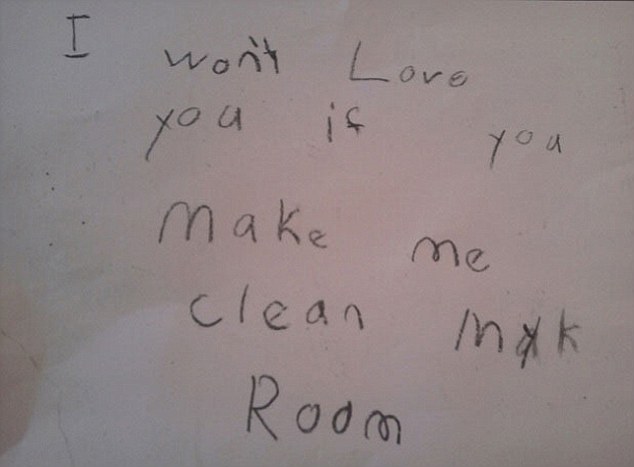
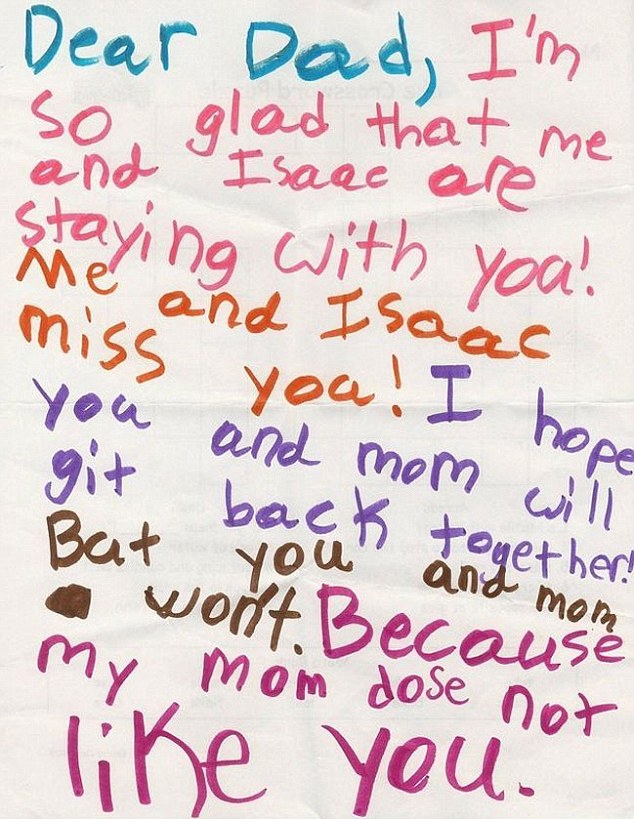
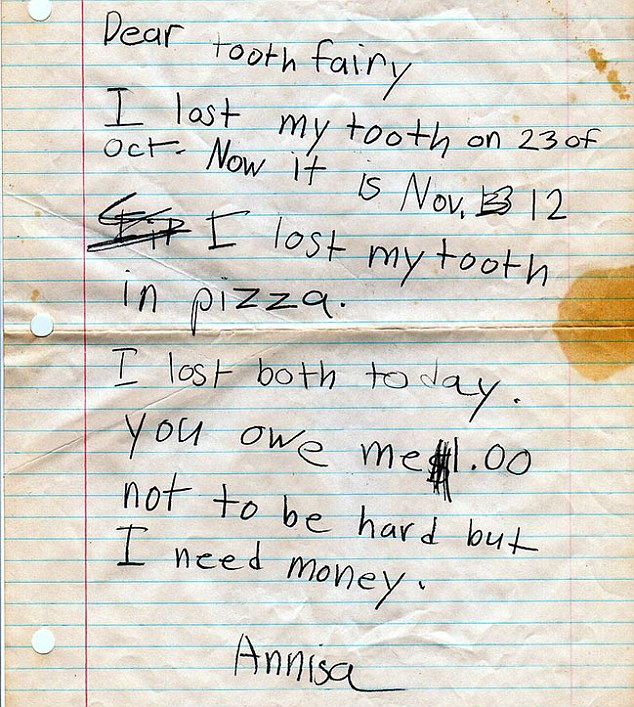
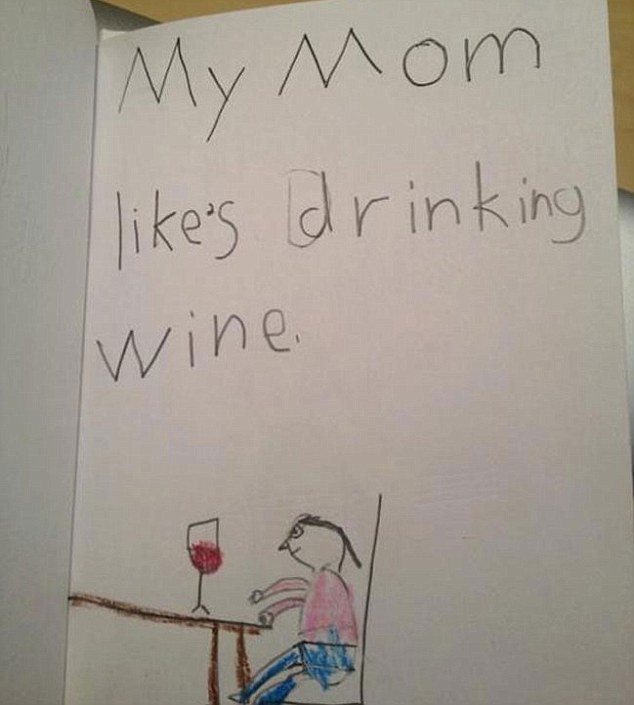
Hilarious Examples of Kids Telling It As It Is

February 13, 2014

truth1


Fantastic examples of children being brutally honest:


truth 2


truth3


truth4


truth5


truth6


truth7


Click on the link to read Kids Can Operate an iPad but Can’t Tie their Shoelaces

Click on the link to read What is the Difference Between Over-Praising Children and Lying to Them?

Click on the link to read The Skills Kids Can Learn from Traditional Board Games

Click on the link to read Our Impressionable Children are Desperately Looking for Positive Rolemodels

Click on the link to read The Plus Sized Barbie Debate Misses the Point


Are Violent Video Games Worse for Children than Violent Movies?

February 13, 2014


grand theft

Growing up, one of the more popular video games around was a shooting game where you were a soldier charged with the responsibility of locating and killing Nazis. The fact that the villains were Nazis was a clear stunt by the game’s makers to disguise the mindless violence of their game.

Even as a youngster, I found the game very troubling. Whilst I have always hated Nazism, I didn’t feel comfortable with pointing a gun, pulling the trigger and killing. It might not be real, but the video game designers are fully aware that the person playing their game is meant to feel as if they are actually on a killing rampage.

Nothing I ever experienced from watching violent movies compared with the emotions of going on a video game shooting spree.

It’s even worse today. Nowadays, video games designers don’t bother with Nazi’s – they provide children with police and innocent bystanders as their targets instead:

Primary school pupils as young as six are re-enacting drug and rape scenes from Grand Theft Auto in the playground, a headteacher has warned.

Young children have been initiating games involving ‘simulating rape and sexual intercourse’ as well as having playground chats about ‘drug use’, according to Coed-y-Brain Primary School head Morian Morgan.

Staff at the school in Llanbradach, Caerphilly, blame the behaviour on the 18-rated and violent computer game series Grand Theft Auto, which sees players take on the role of criminals in America.

Latest instalment GTA V is thought to be one of the best-selling video games of all time, having sold more than 32 million copies worldwide.

A letter sent to parents said children were ‘acting out scenes from the game which include the strongest of sexual swear words’, ‘having conversations’ about sexual acts and ‘play acting extremely violent games that sometimes result in actual injury’.

Click on the link to read The 10 Best Road Trip Apps for Children
Click on the link to read Parents Shouldn’t Be in Denial Over This Very Real Addiction

Click on the link to read Video Game Addiction is Real and Very Serious!

Click on the link to read Internet Addiction and our Children

Click on the link to read Issues Relating to Kids and Video Games

Why Healthy Eating Laws in Schools Don’t Work

February 10, 2014


health

The late great Dale Carnegie wrote:

There is only one way under high heaven to get anybody to do anything … Yes, just one way. And that is by making the other person want to do it.

It’s a shame that policy makers and school administrators don’t seem to have read any of Carnegie’s work because had they absorbed the quote above, perhaps they may have come up with something better to offer students.

People think that school represents the perfect place to undo parenting errors. They think that by bringing in a new school rule or program, that children will be set for life. Some of the rules and regulations in a school near you include:

– Anti-bullying programs

– Sex Ed programs

– Junk Food policies

– Playground no hugging rules

– Toilet rules

– Drug programs

– Anti-gambling programs.


And it goes on and on ….


Is this really a bad thing? What’s wrong with scrapping junk food from school?

Of course nothing is wrong with instilling healthy eating habits, teaching children about what constitutes bullying and how important it is to avoid drugs.  But to be successful you’re going to need more than a worthy cause.

The problem with schools taking on these issues is that schools already have a stigma for most children. Whether we like to admit it or not, most kids hate school and they hate what they are taught at school. So whether it’s a math or science lesson or its a discussion about the dangers or excess sugar consumption, the chances of breaking through are difficult. It requires a positive and creative approach.

And let’s face it, the programs eluded to above often look and feel like schoolwork. They often consist of worksheets and paired activities and feature mini-quizzes. Why do the people who put together these programs think that if they put an animal mascot on the front of the pack and crossword on page five that kids will warm to the content? No child has ever been fooled by such a gimmick.

And inflexible rules are worse. Sure, it’s not ideal for kids to be eating chips or popcorn at school, but taking away their treats is yet another way of reinforcing the stigma that schools are overbearing, ruthless and prison like. I just read that Brussels want to ban yogurts and cheese from school lunches. If I was a school kid in Brussels I would want to go home and douse myself in cheese just out of spite!

It is such a breath of fresh air when a great anti-bullying initiative or healthy eating idea surfaces. One that captures the students’ imagination and encourages rather than bans, nurtures rather than smothers.

If you want children to listen they must want to listen. Don’t shove draconian rules and anti-bullying packs down their throats. Give them something that doesn’t look or feel like school work.


Click on the link to read You Can’t Have Your Lunch and Eat it Too

Click on the link to read How Many Teachers Does it Take to Change a Lightbulb? (Part 1)

Click on the link to read Girl Faces Expulsion for Being a Victim of Bullying

Click on the link to read Cancer Sufferer Claims she was Banned from Daughter’s School Because of her “Smell”

Click on the link to read Top 10 Most Unusual School Bans

Teachers Need to Have High Expectations for all of Their Students

February 8, 2014


spell

It doesn’t matter if you have been warned about a student during a handover meeting or are aware of their reputation for misbehavior or lack of performance, your job as a teacher is to give that child the opportunity to start afresh.

Every child should see the beginning of a new school year as an opportunity to improve.  Some students only need to consolidate while others may need to make amends for recent poor habits.

As teachers we should have high expectations for all our students. If we set the bar low then there is no way the student can achieve to their potential. That does not mean we expect straights A’s for all, but rather, that each student works at their maximum and achieves to the best of their ability.

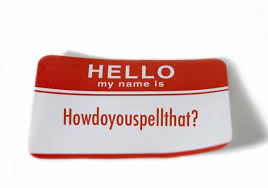
To read that some teachers modify their expectations due to superficial details like the spelling of a child’s name is both disappointing and quite preposterous:

Children who have unusual or oddly spelt names tend to fare worse in the classroom, academics have claimed. 

Teachers may subconsciously lower their expectations for pupils with names such as Destiny, Kayleegh and Chantal.

Alternatively, they tend to predict higher grades from students with traditional names – like Catherine or William.

This may suggest that teachers draw conclusions about pupils’ backgrounds on the basis of their names, according to The Times Educational Supplement (TES).

Meanwhile, what a child is called could also reflect their parents’ backgrounds and achievements. 

James Bruning, Professor of Psychology at Ohio University in America, told the supplement: ‘Clearly all of us use stereotypes about all sorts of things, and names are one of those things.

‘It is a first impression. If you only have a name as a guide then of course you make assumptions based on that.’

Mr Bruning said that if people were asked which of two students – Wa Wei Lee and Kahine Jefferson – was more likely to better at mathematics, most would opt for the Chinese pupil.

This decision would likely be based on an assumption that children of South-East Asian heritage are better with numbers, he said.

It comes as a study of two million children in Florida found that youngsters with traditional names were more likely to achieve higher grades in their end-of-year tests.


Click on the link to read The Most Common Questions Teachers Are Asked at Job Interviews

Click on the link to read The Profession You Choose When You Don’t Want to Get Fired

Click on the link to read The School They Dub the “Worst Primary School in the World”

Click on the link to read Education New Year’s Resolutions 2014