Posts Tagged ‘Family’

Parents Urged to do the Job of a Teacher

March 1, 2012

It is my belief that the job of a parent is to parent and the job of the teacher is to teach. Sure it’s wonderful when parents take it upon themselves to help reinforce skills taught in class. I am always appreciative of parents that spare some time to revise concepts covered during the school day. But essentially, I am paid to ensure that the parents can spend textbook-free quality time with their children. This is in my view essential to maximising the relationship of child and parent. Children often show a reluctance to work through school material with their parents and parents often get very anxious when trying to get their children to concentrate and listen to their explanations.

It is my job to see it that parents are free to spend time with their children without having to go through the ordeal of maths and science work. That’s what they pay me for.

But unfortunately, it seems that we are not doing a good enough job. It seems as if parents have often been given little choice but to try to fill in the gaps we have left behind. You hear too many stories of parents frantically trying to complete their own childs’ homework, sometimes struggling to work out the answers themselves:

A quarter of parents in Reading admit that helping their children with homework leads to family arguments, according to a survey.

Research by tuition provider Explore Learning also showed 9.2 per cent rarely helped their children with homework with more than two thirds struggling when they did.

Maths confuses parents the most with 41.2 per cent of parents finding the subject hard to grasp compared to the 11.1 per cent of parents who find English difficult.

Nationally, nearly a third of parents admitted homework had caused friction in the family with Reading not straying far from the average when it came to struggling in maths and English.

It’s time we let parents bond with their children instead of getting them to do our dirty work. Homework, if administered at all, should be revision of concepts covered in the class. If the children are not capable of doing it independently it shouldn’t have been given to them in the first place.

R.I.P Jan Berestain of Berenstain Bears Fame

February 29, 2012

As a child, I absolutely adored the Berenstain Bears books. I made my parents read them to me over and over again. I particularly loved “The Bike Lesson”, a father’s cautionary tale to his young son on how not to ride a bike. I have since started reading the books to my daughter and on occasion, to my students.

Jan Berenstain, one of the writers of the series of books died at 88:

Jan Berenstain, who with her husband, Stan, wrote and illustrated the Berenstain Bears books that have charmed children and their parents for 50 years, has died. She was 88.

Berenstain, a long-time resident of Solebury in south-eastern Pennsylvania, suffered a severe stroke on Thursday and died on Friday without regaining consciousness, her son Mike Berenstain said.

The gentle tales of Mama Bear, Papa Bear, Brother Bear and Sister Bear were inspired by the Berenstain children, and later their grandchildren. The stories address children’s common concerns and aim to offer guidance on subjects like dentist visits, peer pressure, a new sibling or summer camp.

Thank you Jan for contributing to my love of reading and literature. You have left a legacy that will continue to entertain children. May you rest in peace.

Keeping Kids Safe Online

February 5, 2012

I agree with Adam Turner. Cybersafety is something parents need to address. They have the primary duty to ensure that their children are following safe online practices.

As far as I’m concerned cybersafety is primarily a parent’s responsibility, just like teaching about stranger danger or how to cross the road safely. The fundamentals of cybersafety are no different to the real world; don’t wander off, don’t talk to strangers, don’t reveal too much about yourself and call a parent if you’re unsure of something.

Some parents might complain that it’s all too complicated, but it’s not if you take an interest in your children’s activities and take the time to learn the basics. Talk to them about computers and the internet. Ask them what they’re learning at school and what they’re doing at home. Take an interest, just as you should in their other activities. 

Turner suggests ways in which parents can better supervise their children:

A common cybersafety rule is that the computer stays in the living area, positioned in such a way that anyone who walks into the room can see what’s on the screen. If notebooks are permitted in the bedrooms for studying, perhaps it’s on the condition that they recharge on the kitchen bench at night. The same rule can apply for mobile phones, which can also help combat cyberbullying.

You can split cybersafety into two key areas. The first is protecting young children from accidentally stumbling across inappropriate content. This isn’t hard if you can set up a list of appropriate bookmarks and trust your kids not to wander. Installing an ad and pop-up blocker offers an extra layer of protection. If children can’t be trusted not to wander, even by accident, you might consider a whitelist plug-in for your browser, which lets you limit access to a specific list of sites.

The second area of cybersafety is hindering older children who are deliberately seeking inappropriate content. This area is much harder to deal with, as smart and determined kids will find a workaround to just about any security measure (remember, help is only a Google search away).

There’s a big market for desktop filtering software, but don’t walk away and trust it to do a parent’s job. In my experience it tends to cripple your computer, but your mileage may vary. If you do want to restrict internet access, look at services that are independent of your end device – particularly useful if your house contains a variety of internet-enabled gadgets.

It’s worth investigating the filtering options built into wireless routers. Some let you create blacklist and whitelists, or switch off the internet at specific times. You could even run a separate wireless network for the children, making it easier to control their access without affecting your own. Another filtering option is DNS-level services such as OpenDNS. 

Whilst teachers should also take an interest in cybersafety issues, it’s up to the parents to take the lead.

The Exploitation of Children Reaches a New Low

January 27, 2012

For a developed country like Australia to stoop so far as to allow cafes to give free food to children whilst their parents gamble is simply unacceptable.

CHILDREN are being offered free food as an enticement for their parents to play pokies, in what is being labelled as a gambling loophole.

The gambling watchdog is investigating as inducements for gamblers are banned in South Australia.

In one instance, Cafe 540 – on Port Rd, Allenby Gardens is offering the food to children of gamblers playing nearby poker machines at Tavern 540.

A spokesman for Cafe 540 said the business was a separate entity from Tavern 540 but acknowledged it was “under the same roof”.

He said the free food was served in an area totally separated from the gaming machines of Tavern 540 and was not an enticement to gamble. The Advertiser investigated the issue after a reader complained that the school holiday free food deal was offered “all day every day”.

How to Get Kids to Eat From Their Packed Lunch

January 26, 2012

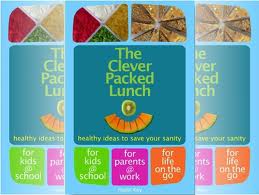
Hazel Keys, the author of The Clever Packed Lunch has come up with a system for getting kids to eat the contents of their lunchbox.

Below is a portion of an interview of Ms. Keys conducted by the Courier Mail:

Q: You’ve run a tuckshop – what’s your take on ensuring kids leave home each day with a properly packed lunchbox?

 A: It’s essential. A healthy nutritious lunch supports learning by allowing children to settle, focus and learn. Processed, refined and sugary foods have been shown to do the opposite.

Q: What motivated you to write The Clever Packed Lunch?
A: My many years of parenting and preparing school lunches resulted a system that I felt could benefit families and I wanted to share that.

Q: What are your three top tips when it comes to creating great packed school lunches?
1. Involve your kids in the preparation; listen to them and try to accommodate their preferences within the guidelines of health and balance.
2. Include plenty of fresh fruit and vegetables, preferably choosing in-season varieties.
3. Choose “whole” foods and ingredients that are as close to their natural state as possible, like seeds and whole grains.

Q: You suggest parents should try to get their children actively involved in making lunchbox choices – what are the benefits?
A: This is a great way to achieve a number of goals, so that:
• children feel empowered
• they’re far more likely to eat their lunch
• they’ll learn how to cook and feed themselves healthily in the process.

Q: Can you give us an example of a delicious and balanced lunchbox that could turn fussy eaters into fans?
A: Kids are attracted to “fast” food, there’s no doubt, and in my experience they love pizza. Pizza can definitely be healthy as long as you use quality ingredients like (some) wholemeal flour, olive oil and organic tomatoes. I serve it with salad, or the mixed potato wedges recipe from the book, which uses sweet potato, a highly nutritious food. And then there’s my healthy chocolate cake recipe!

Q: It’s Sunday night and the fridge is looking bare any lunch items that can be made up from simple pantry staples?
A: Yes! I always keep small tins of prepared salmon in the pantry, along with dried egg (not wheat) noodles, and frozen vegetables like corn and peas. The other items I always have on hand are a wide range of seeds. The noodles, once cooked, can be combined with the salmon, veggies and some sesame seeds, perhaps with a little sesame oil.

Q: Top three sandwich combos?
A: Ooh, yes! For kids I find the following are popular:
– sliced turkey breast, cranberry sauce and sliced green apple
– salmon, chopped gherkin, egg mayonnaise and cucumber
– grated cheddar, creamed corn and diced red capsicum toasted

Q: We automatically think of sandwiches when it comes to packed lunches? Can you suggest three options we could consider instead?
A: Yes, I’ve a recipe in the book I call “Sleeping Dogs”, which is a healthy version of hot dogs or sausage rolls. Home-made dips with wholegrain rice crackers or pappadams are a nutritious gluten-free choice. And my personal favourite, also from the book; the creamed corn puddings, which are rich in eggs and served with sour cream and guacamole. Yummy!

Q: How important is it to include a treat?
A: I think it’s important not to give “treat” foods too much attention, but to demonstrate flexibility by including them now and again, although not in the lunchbox unless the food has a nutritional benefit, like quality dark chocolate. That’s a real win-win treat!

Q: You suggest doubling up lunch box prep with dinner – can you give us a couple of examples to get us thinking on the right lines?
A: When making meatballs I double the quantity and shape some into patties instead. I serve them for dinner in a wholemeal or multi-grain roll with lots of salad. And when I make chicken and corn soup, I add the uncooked chicken to the stock. Chicken cooked this way is both moist and tender and adds flavour to the soup. So I often double the amount of chicken, and once cooked, remove half. Then I freeze it and use it for Asian dishes another day.

Q: What do you think are the main issues facing families in relation to providing healthy lunches for children at school, and what solutions can you offer?
A: It seems to me that families are finding themselves over-stretched, and lacking the time and money to provide really nutritious lunches. I’m convinced that this is contributing to the growing issue of child obesity. My answer is to move away from packaged and processed foods and choose fresh, simple, high quality foods instead. So much of our money goes straight into the bin wasted on fancy packaging and clever marketing, and the ingredients are often inferior. Feeding ourselves properly takes a little effort, but it’s absolutely worth it. Good food, like charity begins at home and offers an opportunity to develop in your children healthy eating habits that will last a lifetime. It’s one of the greatest gifts you can give them. And there are clever systems that can make the process fast and efficient too, such as the one outlined in my book.


The author can be contacted at hazel@lunchideasforschool.com

The Importance of a Healthy Parent-Teacher Relationship

January 22, 2012

One of the most important skills of a successful teacher is the ability to harness positive interactions with parents. I believe that a teacher must consider themselves part of a team. After all, the parents and teacher form the three major stakeholders in a child’s education.

Such a notion is supported by expert Karen Campbell.

A GOOD parent-teacher relationship is important to every child’s learning journey and helps develop a memorable school experience.

That’s the opinion of Sunshine Coast education expert Karen Campbell.

And like any relationship, she says these need nurturing and constant attention to be of benefit to the child.

With the new school year only a week away, many parents may be meeting their child’s teacher for the first time.

“Parents have to realise that a teacher is such an important part of their child’s life,” Mrs Campbell, a tuition facilitator and former teacher, said.

“They need to introduce themselves to the teacher, and tell the teacher any special things about their child.

“Open communication is essential, so it’s important for parents to inform the teacher if there’s a problem at home such as a death, break-up or business failure.

“This allows teachers to develop an understanding and appreciate why a child may be behaving a certain way.”

Not all parents are easy to get along with and some employ methods that are not exactly to my liking, but I realise that a disconnect between myself and the childs’ parents is potentially destructive to the academic progress of the child.

It is important to work past any differences one may have and find common ground in the best interests of the child.

Tips for healthy parent-teacher relationships:

  • Re-introduce yourself to your child’s teacher by appointment
  • Inform your child’s teacher of any home-related problems
  • Volunteer to help with school activities
  • Make sure you adopt the same learning style at home as at school
  • Notify the teacher of any special talents or gifts your child may have
  • Open the lines of communication through casual conversations outside the classroom, for example, when dropping off your child or picking them up

The Role of Parents in Preventing Innovation in the Classroom

January 17, 2012

Whilst I believe that it’s the right of every parent to decide what is and isn’t appropriate at school, sometimes they go overboard. The parents that pulled their primary aged children from their school’s massage program (a program which gets children to massage each other) on the grounds that it was inappropriate, had every right to do so. What bothers me, is that by making the school’s program a big issue, they are in fact railroading future programs which may benefit their children.

As much as they may have disagreed with the outcome, the intention of the school was clearly commendable. They wanted to provide a more relaxed and harmonious environment for their students.

Parents are up in arms at a primary school where youngsters have been giving each other massages before lessons.

The ten-minute massage sessions were introduced at Sheffield’s Hartley Brook Primary School to help calm down pupils after lunch breaks.

School head Mrs Chris Hobson said the massage sessions have been a big success but some parents have withdrawn their children from the massage programme claiming it is ‘inappropriate’.

The Massage In Schools programme is designed to help pupils relax and concentrate after energetic lunchtime playtimes.

Parent Rachael Beer who has two children at the school said: ‘I just feel it is inappropriate for children touching each other. I do understand that children need calming down after lunch.

I just think there are better relaxation techniques out there that can help with that, such as yoga, that have the same benefits as peer massage that don’t involve them touching each other.

‘I think children like their own personal space. 

‘Many parents do feel the same way as me. If the head had consulted parents better, she would have a clear view of how parents feel about it.

‘Other parents are telling me they didn’t even know peer massage was being rolled out in school and they do feel uncomfortable with it.

‘I have opted my children out of it. They are then sat doing the actions to peer massage. I feel that those 20 minutes could be better spent doing something more academic.’

One of the big challenges educators of primary aged children have, is the ability to get their students to maintain concentration. It is very hard to keep young children engaged. Anxiety is also often prevalent, posing extra challenges on teachers to reduce the tension and keep the proceedings positive. An extra 20 minutes of academic studies is useless if the children are having trouble concentrating.

When parents make a school’s attempts at innovation difficult and take an idea born out of compassion and turn it into controversy, they discourage schools to want to do something new and different.

Innovation is the way forward in education. We all know our education system is flawed and it requires some fixing. That can only come about from thinking different and acting differently. When parents take a worthwhile idea and make it a media circus they are in effect rallying for the status quo.

Take a step back and observe the status quo. Is that what you really want?

Issues Relating to Kids and Video Games

January 3, 2012


Excessive video game use and high rates of video game addiction lead to much anguish from concerned parents. Many parents never saw the addictive pull of video games as an issue when they bought consoles for their kids or allowed them to have a computer in their bedrooms. I read a very interesting piece by writer, Scott Steinberg, on the major issues relating to children and video games.

He examines some of the most common concerns parents have about video games:

– Amount of Play Time
– Age Appropriateness
– Health and Obesity
– Addiction
– Safety Concerns
– Violence, Aggression and Misbehavior

The issue of particular interest to me was the video game addiction section. Video game addiction is not a term we hear very often, but I’m afraid it will be widely familiar in the next few years.

  • Addiction– For some kids, there is a real danger of becoming too involved in playing games, or even in living too much of their lives in the virtual world of the Internet. In rare cases, true symptoms of addiction can develop, and such kids can require direct help from their parents, peers, and professionals to have a healthy, balanced life. While a change of environment and routine can sometimes be enough to break kids out of an addictive mindset, the reality is that it’s hard to prohibit kids from using technology on a regular basis, since it’s such an integral part of daily life. Many experts encourage parents to become more engaged in the addictive activity in an effort to better understand the problem and prospective solutions. They also encourage families to seek out professional help should children exhibit warning signs of addiction. Several of these warning signs, according to the Search Institute, an independent non-profit organization dedicated to creating healthy communities, and other sources, include:
  • Playing for increasing amounts of time
  • Lying to family and friends about video game usage
  • Thinking about gaming during other activities
  • Using video games to escape from real-life problems or bad feelings, as well as anxiety or depression
  • Becoming restless or irritable when attempting to stop playing video games
  • Skipping homework in order to play video games
  • Doing poorly on a school assignment or test because of time spent playing video games

I urge parents to spot the signs before the addiction gets completely out of hand. It may even be worth reading Mr. Steinberg’s book, “The Modern Parent’s Guide to Kids and Video Games,” which will be free to download at www.ParentsGuideBooks.com in February 2012.

Research Suggests That There’s no Such Thing as a Good Divorce

December 19, 2011

I feel very sorry for children of divorced parents who find themelves the center of a tug-of-war act between duelling parents on Christmas Day.

At Christmas time, like no other, family relationships are put to the test.

This time of year seems to bring not only a rise in domestic violence, but family tension and relationship breakdown.

So much for the season of peace and goodwill.

Fights over who will get the kids on Christmas Day are common, and children are often forced to spend Christmas traipsing across town to keep both parents happy.

Many argue that since divorce is so rampant, children are able to adapt with the change extremely well. This is simply not the case.

Research suggests that there’s no such thing as a good divorce: All you can do is have a breakup that is not as bad as it might be.

A US study of 994 families identified three types of post-divorce parents: Those who were co-operatively continuing to parent together, those who were parallel parenting with little communication, and those who were effectively single parents.

Children from the first group – the good divorce group – had the smallest number of behavioural problems and the closest ties to their fathers.

However, the differences were only minor, and the children in this group didn’t score any better than others on 10 additional measures, such as self-esteem, school grades, early sexual activity and closeness to their mothers.


The Lunacy of the Chicken Pox-Infected Lollipop Craze

November 13, 2011

How bad do you have to be as a parent to even entertain trying to get a hold of a lollypop laced with the chicken pox disease?  What in the world is going on with some parents nowadays?

A federal prosecutor is warning parents against trading chicken pox-laced lollipops by mail in what authorities describe as misguided attempts to expose their children to the virus to build immunity later in life.

The warning came after media reports surfaced about a multi-state ring of parents, wary of vaccinations that prevent the disease, who were swapping lollipops licked by a sick child in a modern day incarnation of a chicken pox party.

In those so-called parties, parents purposely put sick children together with healthy children in order to spread the ailment and build immunity without having the children vaccinated. This new form of party shares the disease anonymously and long-distance.

“Sending a virus or disease through the U.S. mail (and private carriers) is illegal. It doesn’t matter if it crosses state lines,” said David Boling, public information officer for the Attorney in Nashville.

“Also, it is against federal law to adulterate or tamper with consumer products, such as candy.”

The “Pox Parties” are a sick invention.  To purposely drag your child to a party of strangers suffering a contagious disease in the hope your child gets it too, is unfathomable if not downright dangerous.

But this lollipop idea is even more demented!

Parents that want to infect their kids with chicken pox so much that they are willing to buy lollipops licked by a sick child, have got to be sick themselves.

Perhaps they have already bought and tried lollipops laced with a cocktail of stupidity and foolishness, which have been licked by a host of hopeless parents.