Archive for the ‘Child Development’ Category

7 Ways To Teach Kids Self-Awareness

April 8, 2014

helmet

Courtesy of Sherrie Campbell, PhD:


1. Be a good role model.
In order to parent self-awareness, you have to have it yourself. This means that you demonstrate through your own behaviors that you can calm your anxieties and frustrations and not act out in a negative way. If you start to act out, demonstrate that you can call a time-out on yourself and get centered again.

2. Accept and recognize your child’s feelings.
Emotions are emotions. They are temporary energies meant to pass through. If we accept and acknowledge what our children are feeling, the emotions pass through much more quickly and with more understanding. Taking this time to sit with their feelings helps them to not act emotions out in a negative way. Accept the feelings from their viewpoint, and then, if possible, spin them in a positive light.

3. When in doubt, empathize.
Your empathy teaches children their emotional life is not threatening, abnormal or scary. Their emotions are not shameful or defective. They are human and manageable. In this way, you teach your children they are not alone. This helps them see that even the less-than-perfect parts of themselves are acceptable, which helps them to accept themselves and others more wholly.

4. Do not encourage the avoidance of emotions.
Emotions may be uncomfortable, but never minimize them to your children or tell your kids to “move on.” Refrain from telling them what they are feeling is wrong. They may not be ready to move on, and it is important for children to learn to navigate the uncomfortable. This is how they learn and grow. We must teach them that whatever they avoid will return in the form of a similar and harder lesson, so they may as well do their learning now.

5. Encourage communication.
Repressing feelings doesn’t work. Repressed sadness turns into depression; repressed anger turns into rage; repressed envy turns into jealousy; repressed love turns into possession; and repressed fear turns into anxiety/panic. When we reject or ignore our children’s emotions, this causes them to repress, which leads to more severe and chronic emotional problems all throughout life. Let them express freely.

6. Time, attention and listening.
Actively listen to your children. You do not have to agree with what they say or feel, but to argue against it doesn’t allow them to hear or know who they are as unique people. Accept their feelings, repeat them back to them for understanding, and listen. Show that you care and can see their point of view.

7. Teach problem solving.
Most of the time, when children experience that their emotions are understood and accepted, the emotions lose their charge and begin to dissipate. This leaves an opening for problem solving. Sometimes, kids can do this themselves. Ask them how they want or think they should handle the situation which is upsetting them. This helps them to hear themselves out, and to learn to make good decisions from within. Sometimes, they need your help to brainstorm, but resist the urge to handle the problem for them; that gives them the message that you don’t have confidence in their ability to handle the problem on their own.


Click on the link to read Kids Explain the Meaning of Happiness

Click on the link to read 5 Reasons Why It’s Healthy to Encourage Children to Play

Click on the link to read Allowing Children to Stand Out From the Pack

Click on the link to read Hilarious Examples of Kids Telling It As It Is

Click on the link to read Kids Can Operate an iPad but Can’t Tie their Shoelaces

Kids Explain the Meaning of Happiness

April 6, 2014

https://www.youtube.com/watch?v=vbuEbtFjNXk


Click on the link to read 5 Reasons Why It’s Healthy to Encourage Children to Play

Click on the link to read Allowing Children to Stand Out From the Pack

Click on the link to read Hilarious Examples of Kids Telling It As It Is

Click on the link to read Kids Can Operate an iPad but Can’t Tie their Shoelaces

Click on the link to read What is the Difference Between Over-Praising Children and Lying to Them?

5 Reasons Why It’s Healthy to Encourage Children to Play

March 1, 2014


play

Child and Adolescent Psychotherapist, Katie Hurley, lists 5 reasons why play is beneficial for children:

1. Stress relief:

Play provides an opportunity for young children to process and work through the negative emotions they encounter throughout the day. Being a kid might seem like all fun and games, and perhaps their “problems” seem insignificant at times, but they do encounter stress along the way. heir problems feel big and overwhelming to them.

Children work through all kinds of emotions when engrossed in unstructured play. They might start out feeling stressed, but once lost in a world of imagination, they gradually let go of their stress and restore a sense of calm.

2. Emotional regulation:

Parents often ask me how to teach their children the art of emotional regulation. Little kids tend to have very big feelings and they often react before they have time to even process the event that triggered the feelings.

Through play, children learn to control their impulses and work through their emotions. They learn to find the triggers and problem-solve potential solutions.

3. Better social interaction skills:

Unstructured group play is the best way to let kids work on social interaction skills. When engrossed in group play, kids have to learn how to cooperate, resolve conflicts, empathize with others, and relate to peers.

4. Promotes creative problem-solving:

You can memorize answers to math questions (and you can even memorize strategies to solve difficult math problems), but you can’t memorize ways to solve real-life problems. What if a puzzle piece goes missing? What if another child is left out of a group? What if the tower just won’t stay up?

Children face a variety of problems each day, and these problems vary by age and stage. They have to learn how to step back and evaluate a situation before giving up or becoming hysterical. They have to learn how to think outside of the box. And that is something they can learn through the power of play.

5. Promotes learning:

The great irony of increasing academic pressure at the expense of unstructured play is that play actually promotes learning. Have you ever watched kids dump out a recycling bin and build something from nothing just because they felt like it? It takes planning, creative thinking, cooperation and resourcefulness to transform a bunch of old cardboard into a monster truck show, you know.

Play is the most natural learning style for children. They learn from play from the very first moment they shove wooden blocks into their mouths and they continue to learn through more advanced play as they grow.

So go ahead and say no to that party this weekend, speak up when the academics become overwhelming and start cutting back on those extracurricular activities. Happier, and less stressful, days are ahead for children. All you have to do is let them play.


Click on the link to read Allowing Children to Stand Out From the Pack

Click on the link to read Hilarious Examples of Kids Telling It As It Is

Click on the link to read Kids Can Operate an iPad but Can’t Tie their Shoelaces
Click on the link to read What is the Difference Between Over-Praising Children and Lying to Them?

Click on the link to read The Skills Kids Can Learn from Traditional Board Games

Allowing Children to Stand Out From the Pack

February 24, 2014


cell

Not everyone can be a leader.

In every community there are natural leaders and people more comfortable with following. That doesn’t mean that the followers are blind. Their mission is to find the right person or persons to follow.

And even within the system of leaders and followers, it is vital for all concerned to realise that they all have unique gifts and characteristics which they need to harness, even at the cost of seeming different.

But people don’t like being different. They feel it makes them stand out in a negative way and it reduces their opportunities for gaining respect and acceptance from their peers.

In the classroom this is depicted by the academically gifted student who tones down their effort levels so as not to stand out. Commonly classified as a form of peer pressure, it makes children feel like they need to be seen to have the same tastes in movies, clothes, songs and interests as the pack, just to fit in.

I look at the picture above and I feel sad that doing something different looks odd or uncomfortable. Surely, as teachers, we should be working towards creating a classroom environment where each child is made aware of their unique skills and qualities and is able to express themselves without risk of excommunication.


Click on the link to read Hilarious Examples of Kids Telling It As It Is

Click on the link to read Kids Can Operate an iPad but Can’t Tie their Shoelaces
Click on the link to read What is the Difference Between Over-Praising Children and Lying to Them?

Click on the link to read The Skills Kids Can Learn from Traditional Board Games

Click on the link to read Our Impressionable Children are Desperately Looking for Positive Rolemodels


Hilarious Examples of Kids Telling It As It Is

February 13, 2014

truth1


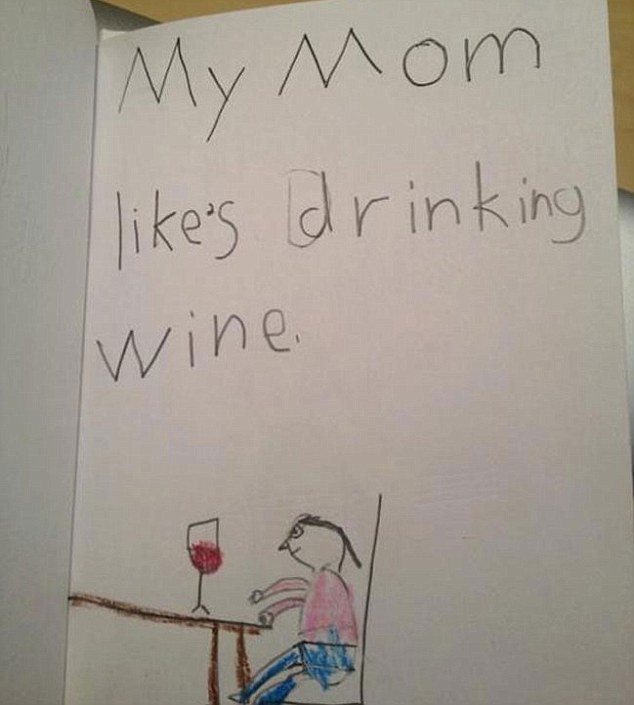
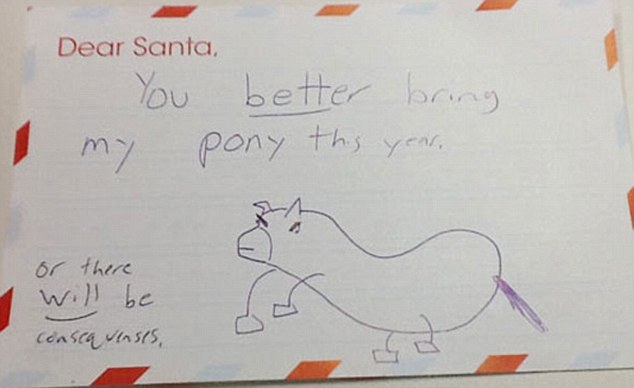
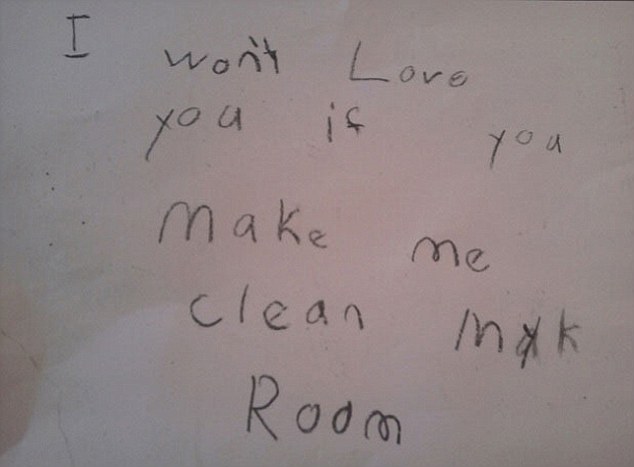
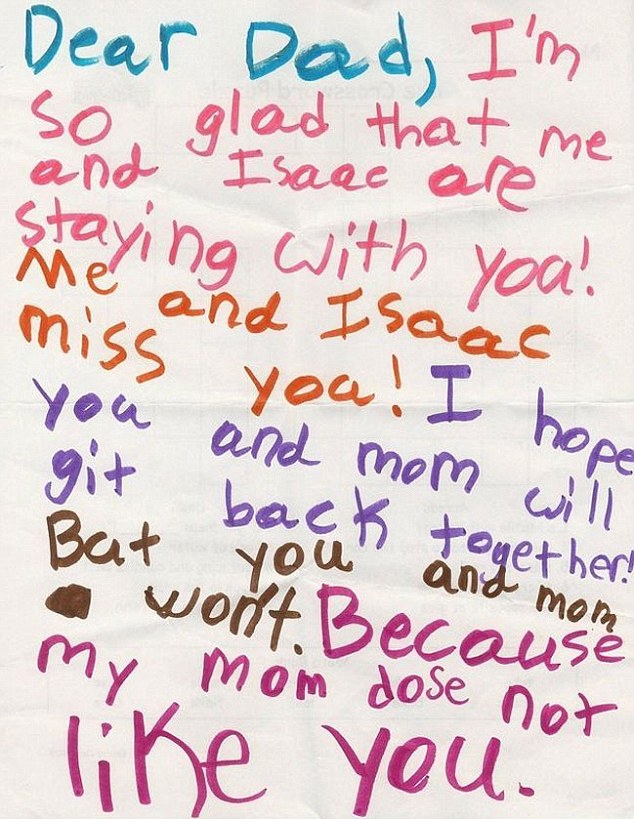
Fantastic examples of children being brutally honest:


truth 2


truth3


truth4


truth5


truth6


truth7


Click on the link to read Kids Can Operate an iPad but Can’t Tie their Shoelaces

Click on the link to read What is the Difference Between Over-Praising Children and Lying to Them?

Click on the link to read The Skills Kids Can Learn from Traditional Board Games

Click on the link to read Our Impressionable Children are Desperately Looking for Positive Rolemodels

Click on the link to read The Plus Sized Barbie Debate Misses the Point


Kids Can Operate an iPad but Can’t Tie their Shoelaces
January 27, 2014


pad

Adults that marvel at how confidently kids can navigate the web or use the iPad should consider holding off their applause.  It seems that our tech savvy kids have let some fundamental skills go to the wayside whilst perfecting their technological prowess.

Kids in my generation knew how to fold, make the bed, wash and dry dishes properly (yes, both sides of the plate!) and of course, we quickly developed skills in tying our shoelaces.

But the same doesn’t apply to the kids of today:

TECHNO KIDS can use iPads but increasing numbers of children are unable to tie their shoelaces in time for the first day of school.

Shoe retailers and experts have revealed children as old as 10 were yet to learn the skill and opting for the easier velcro option.

“We notice more and more that younger kids can’t manage the laces as early on anymore,” Sophie McLellan, podiatrist and co-owner of Little Big Shoes at Kenmore, told The Courier-Mail.

“Certainly there are more and more kids wanting velcro and not laces. Usually when kids enter Grade One most schools want them in a lace-up shoe. However we’re finding lots of kids in Prep, (grade) One, Two, even going into Grade Three are still having trouble with laces.


Perhaps they should develop an app that teaches kids how to tie their laces … and clean the dishes … both sides.


Click on the link to read What is the Difference Between Over-Praising Children and Lying to Them?

Click on the link to read The Skills Kids Can Learn from Traditional Board Games

Click on the link to read Our Impressionable Children are Desperately Looking for Positive Rolemodels

Click on the link to read The Plus Sized Barbie Debate Misses the Point

Click on the link to read Study Claims that Being Attractive can give you Better Grades

What is the Difference Between Over-Praising Children and Lying to Them?

January 8, 2014


praise

Over-praising children is tantamount to lying to them. If a teacher or parent needs to resort to embellishment then they have misread the child.

Developing trust is absolutely not negotiable when it comes to children. Once you are caught out on a lie or exaggeration you stand to lose the trust of the child, rendering everything else you say as meaningless.

But over-praising isn’t just lying, it is lazy. Every child has unique and interesting aspects to their personality. Every child possesses skills and praiseworthy character traits. If you find yourself over-praising your student, it means that you haven’t yet fully appreciated the child for who he/she is.

One can only love ones self if one understands themself. Self-confidence can only be attained once the person is in tune with his/her true abilities. That’s why genuine praise is so profoundly important. By reminding children of their legitimate positive aspects and traits, you will help them get in touch with who they are and what they can be.  If you lie to them, sooner or later they will work it out and may choose to dismiss or neglect their greatest qualities as a result.

Some would say if you haven’t got anything authentic to say, don’t say anything at all. I say, don’t stop until you have something real to praise a child with.

And then keep on supporting that child to the best of your abilities. They are worth it!


Click on the link to read The Skills Kids Can Learn from Traditional Board Games

Click on the link to read Our Impressionable Children are Desperately Looking for Positive Rolemodels

Click on the link to read The Plus Sized Barbie Debate Misses the Point

Click on the link to read Study Claims that Being Attractive can give you Better Grades

Click on the link to read The Unique Challenges that Body Image Represents for Females

The Skills Kids Can Learn from Traditional Board Games

January 5, 2014


board

Wall street Journal writer Laura Perez, lists some skills that family games has taught children over the years:

It has taught them to be good actors. My children have great poker faces. They will bluff you in cards and convince you their made-up dictionary definition is legitimate. They’ll pass you some pretty shabby cards in Hearts with a sweet smile.

Now, don’t get me wrong: I don’t want my kids to become amoral liars. But learning to beguile, to read others, to keep emotions in check, to negotiate skillfully—all these can be useful in life.

It has improved their vocabulary. You can’t win at word games if you don’t know lots of words. And they know a lot. Piebald, anyone? I knew I’d never win Scrabble again when my youngest cleared her tiles with “reevict.”

They have gained presentation skills and grace under fire. I have a few shy ones, but it’s pretty hard to be shy during our family battles. Whether it’s charades or Pictionary, they have to know their audience, think conceptually on their feet and not let a countdown paralyze them.

It has taught them to be great guessers. Being smart about guessing is crucial in so many of the games we play—such as Trivial Pursuit or Clue or Botticelli, which is like 20 Questions on steroids. True, mastery of 1980s pop-culture trivia may not be a college entrance requirement. But learning how to reduce the possible answers to two from four definitely helps. And I have the proof on some recent PSATs.

It has taught them critical thinking. “It really helps develop their brains,” John says. We both noticed 16-year-old Riley’s concentration and animation a few days ago across the chess board from her uncle. They’re aware of the concepts of strategy and planning and go through life now instinctively solving puzzles.

It has taught them patience and sportsmanship. They’re still willing to play games with me. And when I lose they’re so encouraging!

It has unleashed their imagination. Games like Think Fast or role-playing computer games require the kids to use their creative skills. Riley says she doesn’t get people who don’t play games. “It’s like when people say they don’t like to read. It’s like going on an adventure.”

Most important, it has taught them to not fear failure. Our kids haven’t cared about the odds against them. Their egos aren’t fragile. Games have taught them that they need to risk failing if they want to succeed. I’ve been blown away by how much the kids actually love losing. Isabella, 12, says it’s fun to fling yourself off a cliff and make a crazy chess move.

When she loses, she says, “we don’t care that much. We don’t throw a fit, we accept it and play again.”


Click on the link to read Our Impressionable Children are Desperately Looking for Positive Rolemodels

Click on the link to read The Plus Sized Barbie Debate Misses the Point

Click on the link to read Study Claims that Being Attractive can give you Better Grades

Click on the link to read The Unique Challenges that Body Image Represents for Females

Click on the link to read An 8-Year-Old’s Take on Body Image

Our Impressionable Children are Desperately Looking for Positive Rolemodels

January 3, 2014


http://www.youtube.com/watch?v=I9eB3wfF2C4#t=113


Watching the heartwarming clip above, I reflected on how impressionable young children can be. They are so willing to learn and to follow, all they need is a collection of rolemodels to set the direction.

When it comes to being a rolemodel, a teacher is not a parent and should never pretend to be an alternative or substitute to a child’s parent. But that doesn’t mean that we can’t set a positive example for our students.

After all, they are constantly looking for reminders that the world is a good place, where happiness is attainable and hurdles can be overcome.


Click on the link to read The Plus Sized Barbie Debate Misses the Point

Click on the link to read Study Claims that Being Attractive can give you Better Grades

Click on the link to read The Unique Challenges that Body Image Represents for Females

Click on the link to read An 8-Year-Old’s Take on Body Image

Click on the link to read A Father’s Advice to His Daughter About Beauty


The Plus Sized Barbie Debate Misses the Point

December 24, 2013

barb1


The debate over the latest push for a plus-sized Barbie is steeped in political correctness on both sides and ignores the children the toy is aimed at.

One side argues that Barbies aren’t of realistic dimension and the doll is guilty of influencing feelings of negative body image among young, impressionable girls.

The other side argue that the picture above shows an obese girl and that there is a responsibility to teach children that being overweight is not the ideal from a health standpoint.

My view is that Barbie has already had many decades of reproducing the same type of doll. It’s too late for the company to suddenly become inclusive. So your going to have one overweight doll amongst thousands of stick figures? That’s a great way to make someone overweight feel good, put them in a room crowded with models!

If they release the Barbie pictured above it will be the source of more bullying because one can’t help comparing it against every other Barbie ever produced. Even the marketing pitch shows the comparison.

Let’s take the responsibility of making our children body confident out of the hands of Mattel and lets own this problem and do something about it.

1. We need to tell our children that they are wonderful people, regardless of their size. If you think an overweight girl is unhealthy, try an overweight girl racked with guilt and self loathing.

2. Let’s not put such an emphasis on looks and instead replace the focus with more important attributes like kindness, empathy, loyalty and integrity.

3. Let’s help our young find their talents and show them how they can use their unique abilities to contribute to society in a meaningful way.

Plus sized Barbie is a meaningless, insincere and tokenistic gesture at a time when we need to show our kids that they really matter!


barb2


Click on the link to read Study Claims that Being Attractive can give you Better Grades

Click on the link to read The Unique Challenges that Body Image Represents for Females

Click on the link to read An 8-Year-Old’s Take on Body Image

Click on the link to read A Father’s Advice to His Daughter About Beauty

Click on the link to read The Call to Stop Telling Your Children they are Beautiful