Posts Tagged ‘Parenting’

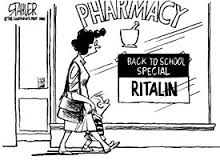
Stop Over Prescribing ADHD Medication to Young Kids!

December 23, 2014

ritalin

Some doctors seem obssessd with prescribing ADHD pills to youngsters. Are we really to believe that the disorder is as rampant as the prescription numbers lead us to believe?


MORE than a fifth of school psychologists in England know of children under the age of six who have been prescribed ADHD drugs to treat behavioural problems despite it being against health guidelines, a study has found.

HEALTH services are being pressured into offering the mind-altering drugs to preschool children because of a lack of psychologists available to offer intervention first, one of the lead researchers said.

The study, to be published in full next year and carried out by the University College London Institute of Education and the British Psychological Society, raised concerns that diagnosing ADHD was seen as an “easy explanation” for behavioural problems which absolves families and schools of blame. It added that some educational psychologists feared there is “an increasingly prevalent view in society that people who do not fit a particular environment must have something wrong with them”. In its latest advice, independent health advisory body the National Institute for Health and Care Excellence says drug treatment is “not recommended for pre-school children with ADHD”. But 22 per cent of educational psychologists working in primary schools in England told researchers they were aware of children who were already on medication by the time they were seen by a psychologist. Vivian Hill, director of professional educational psychology training at the institute who helped conduct the research, said: “The huge cuts have meant that people really feel under pressure to offer drugs when they can’t offer long-term interventions. “It really is quite a significant threat to our children and young people. It’s a naive gesture to thinking the quick-fix solution is dealing with the problem – it’s just masking it. “Some of children are living in very difficult family situations and the behaviour is a consequence of that. “If you were to unravel the nature of the child’s behavioural problems, 9/10 times you find it is because of significant factors in the child’s life and is really irrespective of any pathological undercurrent.” She added that in many cases children who are treated by psychologists first do not need to progress to medication.


Click on the link to read my post on Does ADHD Exist?

Click on the link to read my post on Why Prescribe 1 Medication for ADHD When You Can Prescribe 2?

Click on the link to read my post on An ADHD Epidemic or an Over-Diagnosis Epidemic?

Click on the link to read my post on More than 1 in 10 U.S. Children Diagnosed with ADHD!

Click on the link to read my post on Doctors are Hypocrites When it Comes to ADHD

Click on the link to read my post on Shock Horror: Sleep Deprived Children Diagnosed with ADHD Instead!

The Five Day School Trip that Resulted in 7 Students Getting Pregnant

December 22, 2014

prego

This will not go down as one of the most successful school camps of all time:


SEVEN girls, aged 13 to 15, have fallen pregnant after a five-day school trip to their country’s capital city and their parents are being blamed.

The schoolgirls, from the city of Banja Luka, went to the Bosnia and Herzegovina capital, Sarajevo.

Nenad Babici, the National Coordinator for Reproductive Health of the Republika, told Inserbia.info that it was discovered that the seven schoolgirls fell pregnant on the school trip.

The school in Banja Luka had taken 28 girls to the nation’s capital city for a five-day trip to visit museums and historic sights in the city, ranked among the finest in the world.

Furious parents are demanding to know why there was such a lack of teacher supervision, reported the Daily Mail.

However, Babici blamed parents for not educating their children properly.


Click on the link to read School Distributes Condoms to 6th Graders

Click on the link to read Should High Schools Install Condom Vending Machines?

Click on the link to read Teaching Union Wants Porn on the National Curriculum

Click on the link to read Adding Sex Education to the Curriculum Comes at the Expense of Something Else

Click on the link to read 3rd Graders Perform Sex Act in the Classroom Without Being Noticed

List of Kids Books that Would Make Great Christmas Gifts

December 20, 2014

gifts

List courtesy of The Huffington Post:


  • Up & Down by Britta Teckentrup
    Sometimes the simplest books are the best, and this story about two penguins trying to reach each other across a great divide is lovely. The youngest readers will love learning about directions as they lift flaps that take the penguins inside and outside of dark tunnels, in front of dolphins and behind sharks, and up and down icebergs until they’re together at last.


  • Before After by Anne-Margot Ramstein & Matthias Arégui
    An enormous book of paired illustrations each showing a different before and after will keep your children entertained for hours. The absence of text allows them to tell their own stories, and you may be surprised with what they come up with.


  • Red: A Crayon’s Story by Michael Hall
    Poor Red. It says red on his label, so he must be red. Except Red isn’t. He’s blue. Everyone tries to help him be a better red, until one day he makes a new friend who likes him just the way he is. Funny and clever, with a wonderful message about embracing who we are, Red is a great addition to anyone’s holiday list.


  • Kid Sheriff And The Terrible Toads by Bob Shea, Illustrated by Lane Smith
    There is only one thing that can save Drywater Gulch from the outlaws: 7-year old Sheriff Ryan, paleontologist and lawman extraordinaire. He may ride a tortoise, but he’s quick on the draw when it comes to capturing criminals.


  • Shh! We Have a Plan by Chris Haughton
    In another boldly illustrated book, Chris Haughton introduces us to four bumbling friends with a plan to capture a beautiful bird. After a night of disasters, you’d think they’d learn their lesson, and they do. Until they see a squirrel.


  • I Wanna Go Home by Karen Kaufman Orloff, Illustrated by David Catrow
    Not everyone likes to go stay with their grandparents when their parents fly off to Bora Bora. I’ve never been to Bora Bora, but I hear it’s lovely and definitely better than playing bridge for a week at Happy Hills Retirement Community. That’s what young Alex thinks, until he discovers that grandparents can be surprisingly cool, like when they let you use their bingo winnings to buy ice cream — or fingerpaint the kitchen. Sometimes, the best trips are those you dread most.


  • Animalium, Curated by Katie Scott and Jenny Broom
    This book is an extraordinary collection of information about the vast variety of Earth’s animals, from the smallest insect to the largest whale. It’s a portable museum, open anytime you want to visit. The book is glorious — full of oversized drawings reminiscent of old-fashioned botany or Audubon prints you can only find in rare book shops. The pages are luxurious — weighty in your hands and demanding long hours of uninterrupted attention. You’ll be enchanted, and so will your kids. (Originally featured in “26 Entertaining And Educational Books For Back-To-School Season”)


  • With the rate of deforestation and habitat destruction, it probably isn’t long before many of the gorgeous birds we know and love go the way of the Dodo or the Roc. But never fear, Aviary Wonders Inc.’s Spring Catalog and Instruction Manual is here to help! Design your own birds (mix ‘n’ match wings, bodies, beaks and tails), and Aviary Wonders will provide you with parts, assembly instructions and troubleshooting should your new bird fail to perform as expected. Pointed, wry, and completely original, Kate Samworth’s debut picture book is as disturbing as it is memorable. (Originally featured in “20 Terrific Books To Read With Your Kids This Spring”)

(more…)

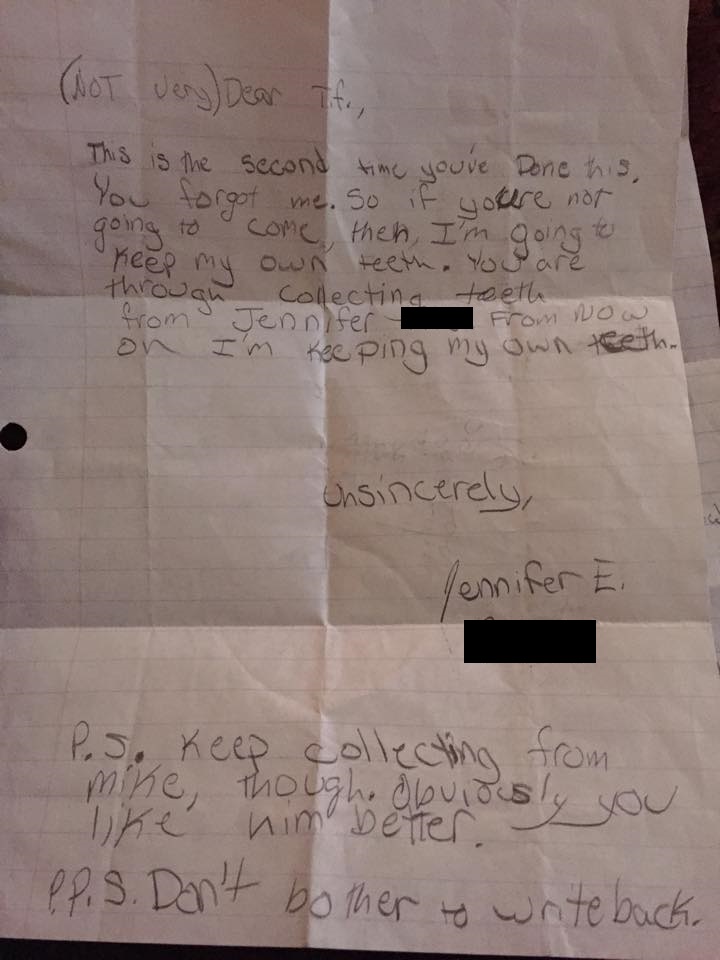
Young Girl Pens Angry Letter to Tooth Fairy

December 17, 2014

tooth

This is what happens when the tooth fairy proves unreliable and plays favorites.


Click on the link to read Gift Ideas for Children that Are Not Toys

Click on the link to read When Parents Get Busted!

Click on the link to read The Inconvenient Truth Kids Style

Click on the link to read The Quality Most Parents Want to Teach Their Children

Click on the link to read Are Our Expectations for Children Too High?

Click on the link to read 25 Ways to Approach the Dreaded ‘How was School Today?’ Question


Tips for Tackling the Mental Health Stigma in Your Classroom

December 3, 2014

depression

I must admit that I have never been formally trained on how to teach a child suffering from mental health issues or even how to bring the topic up in the classroom.

Whilst these tips by Martin Williams are all within the realms of common sense, it is good to get the reassurance that you can deal with something effectively even if you were never trained to do so:


Talk about mental health

“Mental health was never mentioned at school at all,” says Charlotte Walker, who now writes a blog on mental health issues. “I found out I had depression aged 12 from a teenage health guide.”

Now a mother, Walker is acutely aware that there is still a worrying lack of discussion about mental health in schools. It’s a problem that can not only lead to stigmatisation, but also cause health issues to go undiagnosed. “My son’s experience is that schools focus on the ‘safer’ feeling topics, such as insomnia and exam stress, but don’t dare go into the realms of bipolar or schizophrenia.”

Walker suggests that teachers should tackle the problem by simply trying to be more candid about mental health when chatting to children. “We’ve seen that sex and relationship education doesn’t always work because it’s in dedicated sessions,” she explains. “I think it’s important to have a general spirit of openness.”

It’s also important to talk openly about what support is in place for children who are experiencing difficulties, she says. “It tends to be that you only find out what’s on offer once you’ve declared your child is having problems,” Walker says. “If the information is given out to everyone, no one is singled out for stigma or discrimination.”

But tackle derogatory language

While it’s important to encourage discussion of mental health, research has shown that the use of pejorative terms about mental health problems are common in many children’s everyday language. While this is reflective of a wider societal problem, teachers can do their bit by cracking down on language when it is used in a derogatory or abusive way.

“Discriminatory language needs to be challenged,” says Walker. “Schools have come a long way with this on homophobia, but we need challenge the use derogatory words like ‘psycho’ or ‘schizo’ and the devaluing of clinical terms.”

Consultant psychiatrist Arun Chopra has said previously that misuse of terminology leads to misunderstandings about mental health. “You would never hear it used in relation to a physical condition,” he says. “You wouldn’t hear someone being described as a bit diabetic.”

Importantly, however – as has been pointed out before – language is just the visible surface of a deeper discrimination, so tacking language alone can never be the full solution.

Be aware

Unlike physical problems, some mental illnesses aren’t so obvious. “Only a couple of teachers and a handful of friends knew I was anything other than totally fine because I hid it,” says Lorraine Davies, who suffered from anxiety and depression at school. “If I’d been schizophrenic or suicidal maybe it would have been more noticeable, so, weirdly, I might have found more support and less whispering from friends behind my back as they tried to work out why I was being ‘weird’.”

For teachers, the key is to be on the look out for warning signs, according to Dr Raphael Kelvin, the clinical lead for Minded, a website designed to help pupils and teachers understand mental health issues. He suggests that teachers brush up on their knowledge of symptoms and never ignore a child whose behaviour fluctuates.

“If teachers understand that depression can strike not just when someone is saying they’re depressed, but also with someone who’s concentration and motivation has changed, they might be able to help them.”

Kelvin says teachers need to be alert, but do not need to become psychiatrists to help. If in doubt, he says, share your concerns with parents and other teachers to get to the root of the problem.

Help children tell their story to friends

“It’s very important to have a narrative about these things,” says Dr Kelvin, “people need a story to explain how things are. When kids come to the clinic after a period of difficulty, I often try to encourage them to have a story about their experience to explain what they’ve been through to their peers and friends.

“Often they either want to tell everybody or nobody, and the responses vary. The kid who tells everybody can become the butt of insensitive remarks; but the ones who tell nobody end up feeling very isolated. So how do they talk about it to their friends and how much do they want to say? What words do they need to tell their story in a way that’s not too painful? I think those are the kind of things that teachers can support pupils with. If you hear the story of why someone is behaving in a certain way you get a depth of understanding.”

Don’t alienate them further

A child who is experiencing mental health discrimination is such a delicate issue that approaching it clumsily or ignoring it all together can intensify the problem.

Davies says that a lack of understanding among certain teachers pushed her further outside the protection school should provide. “I was asked never to attend one teacher’s classes ever again as I was often late to his 9am because my anxiety was too high for me to get the school bus. Another went out of his way to provoke me – I think he thought I was a drama queen who needed a firm hand.”

Even teachers who are trying to help need to be careful, says Wilson. They should listen closely to pupils’ social concerns and approach issues with huge sensitivity.

“For instance, there are an awful lot of children who will have nothing to do with their classroom assistant because their friends laugh at them,” he says. “You’ve got to take that on board because their self-esteem is often at such a low ebb that anything will set them off. It’s all very finely balanced.”


Click on the link to read A Lack of Proper Sleep Does a World of Damage to a Child’s Attention Span

Click on the link to read What an ISIS School Looks Like

Click on the link to read Using Children as Bait is Abhorrent

Click on the link to read The Outrageous Pro-Gun Picture Book for Kids

Click on the link to read Sousa’s Techniques to Build Self-Esteem


Suicide is a Problem Schools Shouldn’t Walk Away From

November 30, 2014

jayden arnold

Since a child spends a majority of his or her waking hours at school, it bothers me that many schools are so reactive when it comes to helping a child at risk. To wait for obvious signs of distress is a policy that flirts with disaster. I have long called for schools to help students who have difficulties making friends or who are undergoing challenges such as radical change, seperation of their parents or those going through a breakup of a friendship or relationship. Instead of waiting for the students to ask for help, is there anything wrong with offering it?

Suicide often occurs when the victim feels that nobody cares or understands. What  better way to show you “get it” than to initiate contact with a student that might need it?

Suicide is not a problem that schools can afford to blame on home issues. It is very much an issue that needs to be tackled through a partnership between school and home:


A SUICIDE prevention policy should be developed in every school in Australia to counter the scourge that affects so many young people, the Black Dog Institute says.

The policy should include plans to execute prevention programs, goals for positive mental health and guidelines for managing suicidal behaviour in schools.

Institute director Professor Helen Christensen said the action plan should be distributed to all school staff.

Teachers and parents also could be trained as “gatekeepers” to improve the identification of suicidal youth by better recognising warning signs and referring students on to further care.

“Gatekeeper training can be delivered universally such as to all school staff or selectively to parents of at risk students,” Prof Christensen said.

Under peer helper programs young people, too, could be equipped with knowledge and skills to help fellow students they believe to be at risk.

Experts believe young people are more likely to confide in one of their peers than in an adult when they are having serious problems.

Prof Christensen has made a series of recommendations on suicide prevention in the specialist publication of the Australian Council for Educational Research, Teacher.

“There is increasing recognition that a coordinated approach to suicide prevention must involve the participation of key community organisations,” she said.

“Among them schools are particularly well placed to deliver interventions that will enhance resilience, improve mental health and reduce risk of suicide.”

Schools at the centre of a mental health crisis among young people report that students are self-harming or threatening to injure themselves at a rate of more than two per week.

Child psychologists also say increasing numbers of children are presenting with mental disorders such as severe anxiety and, in the most extreme cases, have suicided.

Principals campaigning for more counsellors to handle disturbed children in schools report more problems are emerging in younger students — some exhibiting violent and challenging behaviours and a lack of remorse.

Cyber bullying, increasingly linked to incidents of self harm and suicide, now affects an estimated 463,000 a year with around 365,000 of them in the 10-15 age group.

Research by the UNSW’s social policy research centre has found increasing evidence of the lasting effects of cyber-bullying with links to low self-esteem, mental health issues, depression and anxiety.

A number of schools have responded to the Sunday Telegraph’s coverage of the suicide issue affecting young Australians.

Figures show suicide is the leading non-medical cause of death in children aged 10 to 14.

Writing in the newsletter of Rosebank College in Sydney’s inner west, acting assistant principal Paul Hardwick told the school community: “It was with great sadness reading the Sunday papers that the fragility of life hit me.

“Over the last couple of months families, friends and school communities have been left to ponder ‘why?’ and ‘what should I have done differently?’

“The College’s deepest sympathies go out to the families and schools trying to work through the heartache and sadness as they come together to grieve the loss of those so young.

“While adolescent mental health issues are on the rise, we as a community need to be able to arm our children with the tools to seek assistance when they need it and certainly when they are vulnerable.

“Just asking if someone is OK is not always enough.”

Rosebank College republished in its newsletter points of advice given by the headmaster of The King’s School, Parramatta Dr Tim Hawkes, which ran in The Sunday Telegraph.

Southern Cross School at Ballina on the state’s north coast said it, too, was touched by the tragic stories published in The Sunday Telegraph.

The school this week held a Wellbeing Expo “to bring the subject of youth mental health into the public arena and open channels for young people to know where and how to contact the right people” for help.


Click on the link to read Teacher Runs Suicide Note Writing Workshop

Click on the link to read Don’t Wait For Signs a Child is Contemplating Suicide

Click on the link to read Teachers Can’t Afford to Make Light of Suicide

Click on the link to read Schools Have an Even Bigger Responsibility than Educating

A Lack of Proper Sleep Does a World of Damage to a Child’s Attention Span

November 29, 2014

sleeping

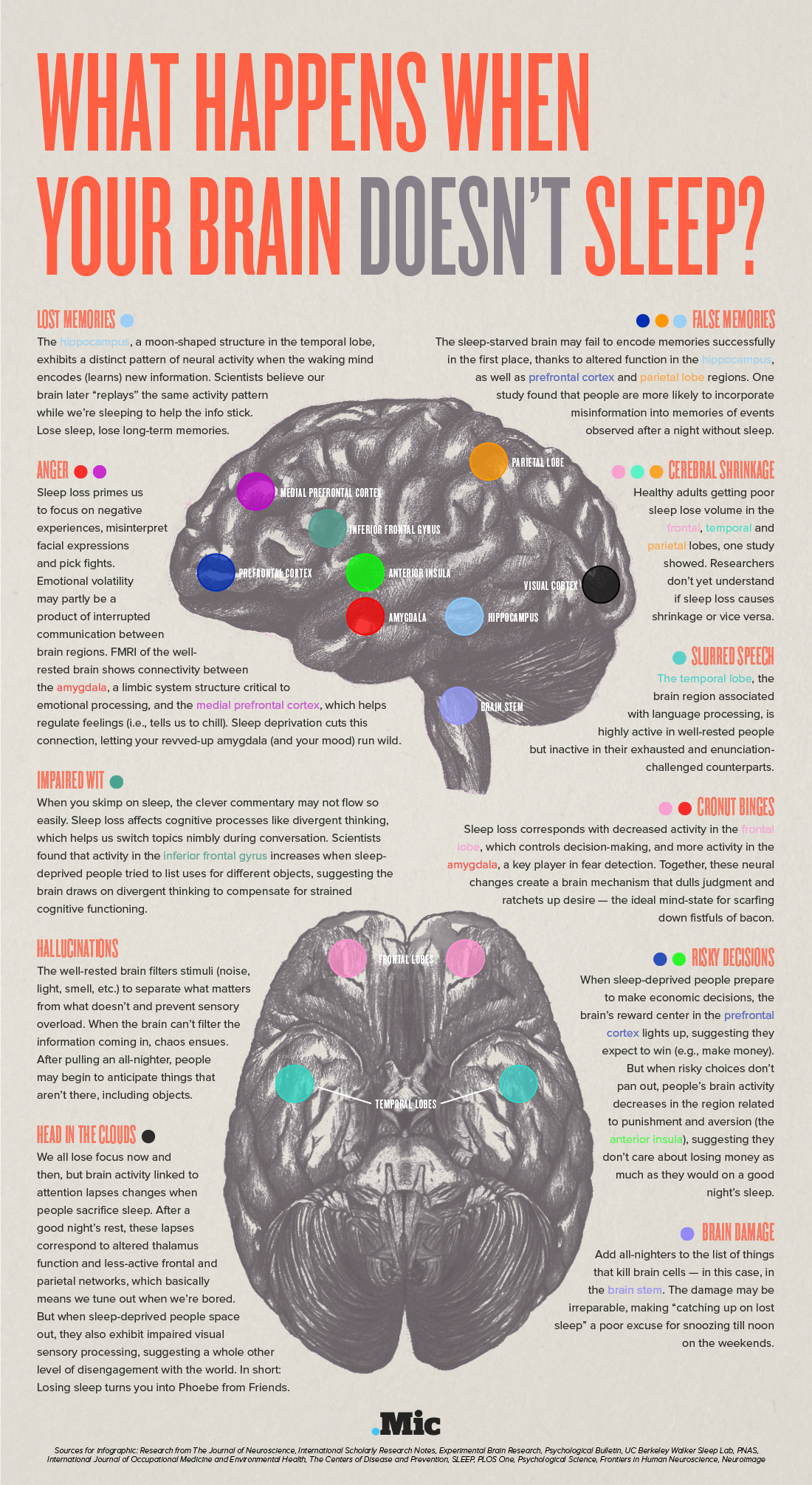
As schools push for earlier starting times to align with the need for working parents to get to the office on time and getting through an overcrowded curriculum, sufficient sleep and a proper breakfast are even bigger concerns.


Click on the link to read What an ISIS School Looks Like

Click on the link to read Using Children as Bait is Abhorrent

Click on the link to read The Outrageous Pro-Gun Picture Book for Kids

Click on the link to read Sousa’s Techniques to Build Self-Esteem

Click on the link to read Why I Believe Classrooms Should Be Fitted With Video Cameras

What’s in a Name?

November 25, 2014

james


I wonder if kids with the name Michael are more likely to stare out the window and think about their lunch:

It has long been claimed that names can influence your chances of doing well in life and now it seems that monikers can impact on behaviour at school as well.

According to a new study, children named Jacob, Daniel, Amy and Emma are the most likely to display impeccable behaviour while those named Ella, William, Olivia and Joshua are most often to be found on the naughty step.

The findings come from a survey that looked at the names of more than 63,000 school children who logged good behaviour or achievement awards in online sticker books.

Those with the most good behaviour awards were named Jacob and Amy, closely followed by Georgia and Daniel.

By contrast, girls named Ella and Bethany and boys named Joseph and Cameron proved to be the naughtiest.

Other naughty names for boys included William, Jake, Joshua and Jamie while recalcitrant girls were also called Eleanor, Olivia, Laura and Holly.

Well-behaved names included Emma, Grace, Charlotte and Sophie for girls and Thomas, James, Adam and Harry for boys.  

Baby names – and their impact on life chances – have been studied for more than 70 years, with the earliest studies finding that men with unusual first names were more likely to drop out of school.

More recent studies have found more correlation between names and social backgrounds, with the parenting skills of mothers and fathers having a more critical impact on future development.

Gregory Clark, the economist behind The Son Also Rises: Surnames and the History of Social Mobility, found that girls named Eleanor were 100 times more likely to go to Oxford University than girls named Jade.

Although there are proportionally more Jades in the general population than Eleanors, the former was rarely seen at top universities, while the latter was relatively common.

Other common names for Oxford students included Peter, Anna, Elizabeth, Richard and John, while among rarely seen monikers were Stacey, Connor, Bradley, Kayleigh, Shannon and Shane.

The latest round of research into names was commissioned by School Stickers, which creates online stickers for teachers to award to pupils. 

Click on the link to read 10 Ways to Move Forward in Teaching as Well as Life in General

Click on the link to read 5 Ways the System Could Better Recognise Teachers

Click on the link to read Teachers, Lay Down Your Guns

Click on the link to read 4 Ways to Identify a Great Teacher

Gift Ideas for Children that Are Not Toys

November 9, 2014

zoo

A clever and useful list of gift ideas by mother of 6 and blogger Rachel Jones:


18 Non-Toy Gifts for Children

1. Classes. Music, dance, riding, drawing — classes are a great way to encourage children in their interests and let them know that you pay attention to them and what they enjoy.

2. Memberships. Zoo, science museum, children’s museum, YMCA membership, etc. These are particularly great for family gifts! Many young families want to enjoy day outings, but affording them can be a challenge, so give them the gift of a yearly membership.

3. Subscriptions. Kids enjoy getting things in the mail. Why not encourage their reading by getting them a magazine subscription for something they are interested in!

4. Events. Movie tickets, or tickets to a play, concert or sports event are really exciting! Having an event to look forward to makes the rest of life more enjoyable.

5. Activities. Mini golf, bowling, skating rink. These are so much fun! And a big part of the fun is going together. Children love spending time with the adults in their lives; they want to see you enjoying your time as well as enjoying them.

6. Recipe and Ingredients. Kids love cooking with their parents. Baking something special or cooking dinner is an ideal time to spend together and learn life skills. Print out a recipe, purchase all the ingredients and set a date for cooking together.

7. Crafting Date. Our daughter loves making crafts. I do, too; I really do enjoy the creative aspect. But I rarely take time out to do it with her. These crafting dates mean the world to our creative little girl. Keep a basket of craft supplies and get out a book for inspiration. We like Sneaky Art: Crafty Surprises to Hide in Plain Sight, by Marthe Jocelyn.

8. Arts and Crafts supplies. If your craft box is running low, stock up a little on things you need. Add in something fun the kids haven’t used before. A gift of arts and crafts supplies often brings on the imagination, and kids can’t wait to get to work!

9. Coupons. An envelope of coupons that they can “spend” at any time: I’ll do one chore — no questions asked; movie and popcorn night, you pick the movie!; 1:1 game of cards or basketball (whatever the child’s interest is in); sit and read a book with me; stay up 1/2 hour past bedtime.

10. Restaurant Gift Card. Dinner, ice cream, coffee, cupcake — whatever suits their fancy! Give them the freedom of inviting whomever they wish: it may be mom or dad; it may be a grandparent, aunt or even teacher they would like to spend more time with.

11. Dress-Up Clothes. These do need to be limited, but two dresses and a couple play silks can get hours and hours of play!

12. Books. We get a lot of books from the library, but there are some that I just can’t find there, or it takes us longer to read through. We have read through the entire Little House series, Narnia, and are working our way through Shel Silverstein’s books. Be sure to pass the books on when you are done, so they don’t clutter up your home.

13. Clothes. When kids only have a certain amount of clothes, they often enjoy getting clothes. Make it a point to get something that fits their style. That may mean Western clothes, superhero, fancy dresses, etc.

14. Snacks. If your child is a foodie, they will love this! Some homemade granola or cookies made just for them is a special treat!

15. Outdoor Supplies. If you are an outdoorsy family, giving kids their own fishing tackle or gardening equipment can be a big deal. It’s also something that gets left on the shelf in the garage, so you always know right where to find it.

16. Telling Time. Many children these days don’t know how to read analog, or find it takes too long to think about it, so they search for a digital watch. Getting them a cool watch makes them want to be able to tell time on it. Boys, girls, and even teenagers can be excited about this.

17. Games and Puzzles. Games and puzzles are great activities for when kids have to be indoors. It’s a good practice to have individual quiet times during the day, and having a puzzle to sit and work on by themselves helps brain development and problem solving skills. Games teach a lot, too! My kids talk about how they passed geography, just because we played Risk when they were little. Monopoly and Payday have been popular and help cement math skills. Memory games are great for younger children.

18. Calendar. Many children like to know what is going on, what day it is, how many days until ____. These kids are the ones who want to know what the plan is for the day, the order in which things will happen, what time friends are expected over, etc. They struggle with spur-of-the-moment and can be frustrating if you are a spontaneous parent. But celebrate it! These children have many strengths, and make our world run more smoothly. 🙂 Embrace their inner schedule and get them their own calendar. They can write down their own classes, appointments, playdates, etc. And if they ask you, send them to their calendar so they can get used to being in control of their own schedule. You can even schedule “spontaneous days,” so they know that something different will happen that day. Trust me, it will help them enjoy the spontaneous outings!


Click on the link to read When Parents Get Busted!

Click on the link to read The Inconvenient Truth Kids Style

Click on the link to read The Quality Most Parents Want to Teach Their Children

Click on the link to read Are Our Expectations for Children Too High?

Click on the link to read 25 Ways to Approach the Dreaded ‘How was School Today?’ Question

Helping Children Become Successful Readers

November 6, 2014


A good clip by Phyllis C. Hunter.


Click on the link to read Children’s Hilariously Inappropriate Spelling Mistakes

Click on the link to read How Spelling Mistakes can Turn a Compliment into Something Quite Different.

Click on the link to read Why Spelling is Important at Starbucks

Click on the link to read The Ability to Spell is a Prerequisite for Getting a Tattoo (Photos)

Click on the link to read This is What Happens When You Rely on Spell Check