Posts Tagged ‘Children’

Kids and Celebrities: A Reality Check

February 23, 2014

charlotte dawson

“Academy Award winning actors have it all.”

“I’d die to become a TV star.”

“That sports star has it all. Money, a gorgeous partner, a mansion …”

“I’d be so happy if I had that model’s looks.”


Our children grow up believing that fame and fortune comes without its price. That the celebrities adorning their bedroom walls are the definition of happiness and that being well known equates to being well liked.

It’s all a lie.

Unfortunately, the events of the past month prove how false this theory is. First there was the giant of an actor, Phillip Seymour Hoffman, whose potential for further groundbreaking performances was destroyed at the hands of a drug addiction.

This morning I heard the sad news of the death of local model and television star, Charlotte Dawson. Apparently, she died as a result of debilitating chronic depression which she had experienced for some time.

Our celebrities are human. They make mistakes, they have bad habits and they have their ups and downs like we all do.

Instead of setting children up to believing that happiness lies in a bank balance or a golden statue, let’s show them how they can find some real happiness for themselves.


Click on the link to read Athletes Can Set a Better Example for Our Kids

Click on the link to read Classroom Resources for Teaching About the Life of Nelson Mandela

Click on the link to read Nine-Year-Old Stands Up for His School (Video)

Click on the link to read Inspiring Kids who Look After a Sick Parent

Click on the link to read The Perfect Example of Courage and Self-Respect
Hilarious Examples of Kids Telling It As It Is

February 13, 2014

truth1


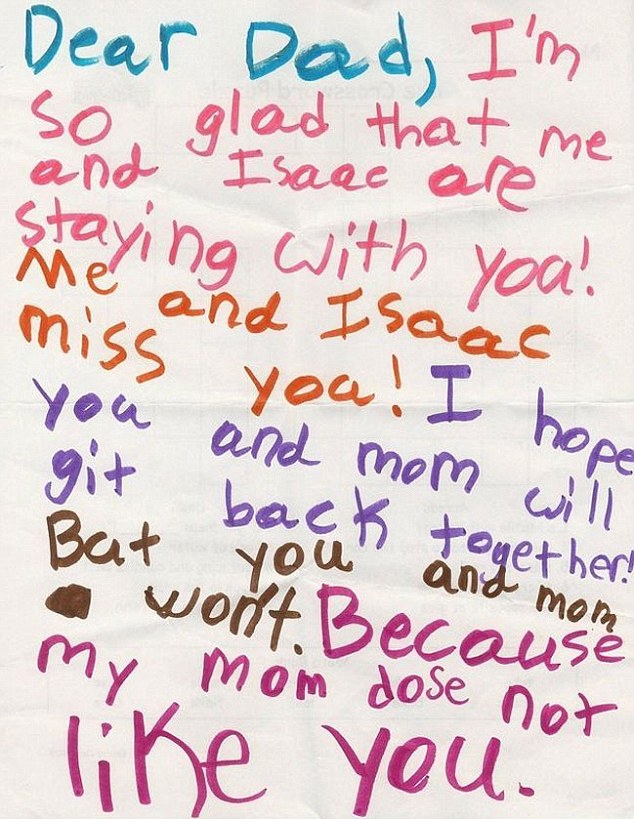
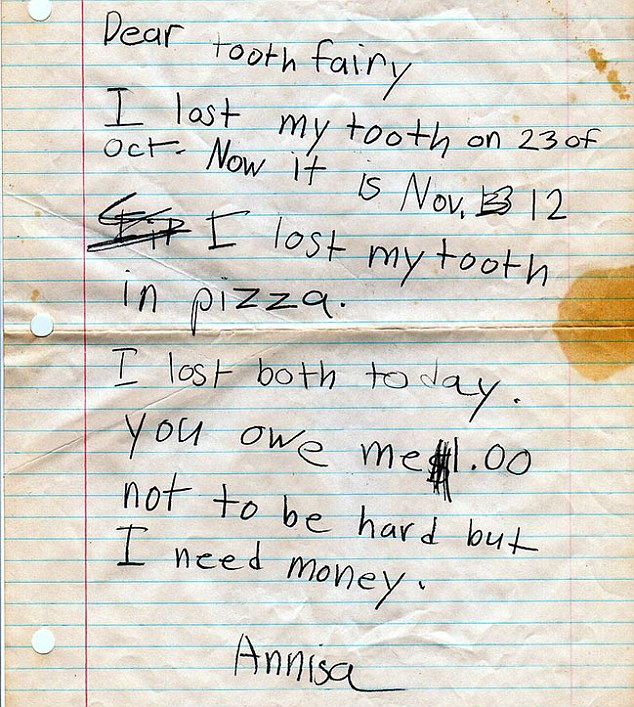
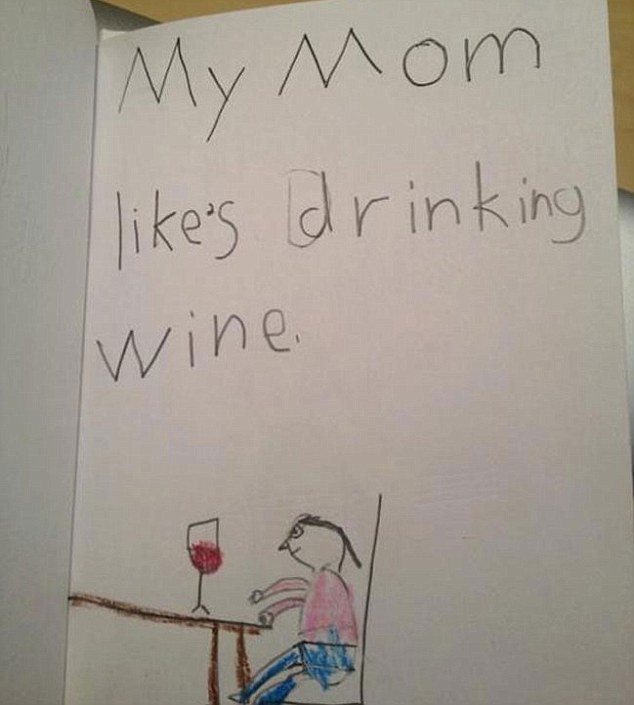
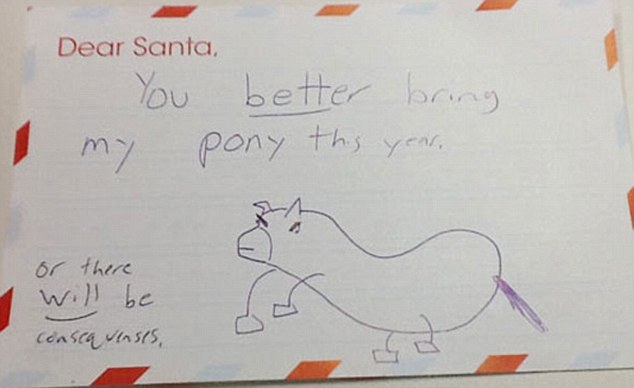
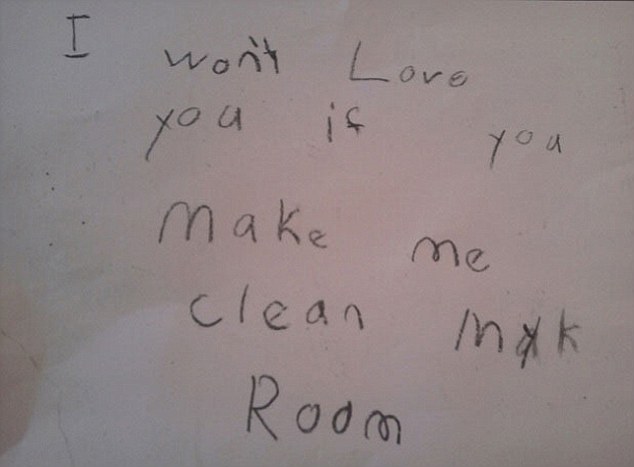
Fantastic examples of children being brutally honest:


truth 2


truth3


truth4


truth5


truth6


truth7


Click on the link to read Kids Can Operate an iPad but Can’t Tie their Shoelaces

Click on the link to read What is the Difference Between Over-Praising Children and Lying to Them?

Click on the link to read The Skills Kids Can Learn from Traditional Board Games

Click on the link to read Our Impressionable Children are Desperately Looking for Positive Rolemodels

Click on the link to read The Plus Sized Barbie Debate Misses the Point


Are Violent Video Games Worse for Children than Violent Movies?

February 13, 2014


grand theft

Growing up, one of the more popular video games around was a shooting game where you were a soldier charged with the responsibility of locating and killing Nazis. The fact that the villains were Nazis was a clear stunt by the game’s makers to disguise the mindless violence of their game.

Even as a youngster, I found the game very troubling. Whilst I have always hated Nazism, I didn’t feel comfortable with pointing a gun, pulling the trigger and killing. It might not be real, but the video game designers are fully aware that the person playing their game is meant to feel as if they are actually on a killing rampage.

Nothing I ever experienced from watching violent movies compared with the emotions of going on a video game shooting spree.

It’s even worse today. Nowadays, video games designers don’t bother with Nazi’s – they provide children with police and innocent bystanders as their targets instead:

Primary school pupils as young as six are re-enacting drug and rape scenes from Grand Theft Auto in the playground, a headteacher has warned.

Young children have been initiating games involving ‘simulating rape and sexual intercourse’ as well as having playground chats about ‘drug use’, according to Coed-y-Brain Primary School head Morian Morgan.

Staff at the school in Llanbradach, Caerphilly, blame the behaviour on the 18-rated and violent computer game series Grand Theft Auto, which sees players take on the role of criminals in America.

Latest instalment GTA V is thought to be one of the best-selling video games of all time, having sold more than 32 million copies worldwide.

A letter sent to parents said children were ‘acting out scenes from the game which include the strongest of sexual swear words’, ‘having conversations’ about sexual acts and ‘play acting extremely violent games that sometimes result in actual injury’.

Click on the link to read The 10 Best Road Trip Apps for Children
Click on the link to read Parents Shouldn’t Be in Denial Over This Very Real Addiction

Click on the link to read Video Game Addiction is Real and Very Serious!

Click on the link to read Internet Addiction and our Children

Click on the link to read Issues Relating to Kids and Video Games

Teachers Need to Have High Expectations for all of Their Students

February 8, 2014


spell

It doesn’t matter if you have been warned about a student during a handover meeting or are aware of their reputation for misbehavior or lack of performance, your job as a teacher is to give that child the opportunity to start afresh.

Every child should see the beginning of a new school year as an opportunity to improve.  Some students only need to consolidate while others may need to make amends for recent poor habits.

As teachers we should have high expectations for all our students. If we set the bar low then there is no way the student can achieve to their potential. That does not mean we expect straights A’s for all, but rather, that each student works at their maximum and achieves to the best of their ability.

To read that some teachers modify their expectations due to superficial details like the spelling of a child’s name is both disappointing and quite preposterous:

Children who have unusual or oddly spelt names tend to fare worse in the classroom, academics have claimed. 

Teachers may subconsciously lower their expectations for pupils with names such as Destiny, Kayleegh and Chantal.

Alternatively, they tend to predict higher grades from students with traditional names – like Catherine or William.

This may suggest that teachers draw conclusions about pupils’ backgrounds on the basis of their names, according to The Times Educational Supplement (TES).

Meanwhile, what a child is called could also reflect their parents’ backgrounds and achievements. 

James Bruning, Professor of Psychology at Ohio University in America, told the supplement: ‘Clearly all of us use stereotypes about all sorts of things, and names are one of those things.

‘It is a first impression. If you only have a name as a guide then of course you make assumptions based on that.’

Mr Bruning said that if people were asked which of two students – Wa Wei Lee and Kahine Jefferson – was more likely to better at mathematics, most would opt for the Chinese pupil.

This decision would likely be based on an assumption that children of South-East Asian heritage are better with numbers, he said.

It comes as a study of two million children in Florida found that youngsters with traditional names were more likely to achieve higher grades in their end-of-year tests.


Click on the link to read The Most Common Questions Teachers Are Asked at Job Interviews

Click on the link to read The Profession You Choose When You Don’t Want to Get Fired

Click on the link to read The School They Dub the “Worst Primary School in the World”

Click on the link to read Education New Year’s Resolutions 2014

The Futility of Teaching a Starving Child

January 28, 2014

healthy

You can have every box ticked when it comes to planning and delivering lessons and it will come to nothing if your students are hungry. They say breakfast is the most important meal of the day. For our students it is absolutely crucial. There is little that can be absorbed by a child who is starving as a result of skipping breakfast.

To read that 1 in 7 children are going to school without breakfast in a country like Australia, is so disappointing. Perhaps, what is more disappointing, is the food wastage by students who dispose of good food from their lunchboxes:

ONE in seven Australian schoolchildren – about 600,000 kids – will skip breakfast when they return to school this week but in contrast others will be throwing out the contents of their lunchbox.

The latest Census At School data from the Australian Bureau of Statistics found children skipping breakfast is equal to about two hungry kids in every classroom across the nation.

But while some go hungry, OzHarvest says the contents of many a lunchbox will be wasted.

“It’s certainly one of the ironies of an abundant society. As we become more affluent, we seem to waste more,” said OzHarvest food rescue founder Ronni Kahn.

As Australian schools open their gates this week for another year, Kellogg’s has pledged to donate a minimum of two million serves of cereal through its Breakfasts for Better Days program, the equivalent of feeding 10,000 kids each school day.

The program aims to provide 12 million serves of cereal and snacks to families and children in need in Australia and one billion serves across the world by the end of 2016.

“Our program exists to support children in need and help to ensure they have the best start to their day possible, but to see one in seven children skipping breakfast remains a concern for the community at large,” said Nitin Vig who leads Kellogg’s free school breakfast program.


Click on the link to read Kids Have Never Felt More Stressed

Click on the link to read Where is the Deterrent For Teachers Who Have Sex With Their Students?

Click on the link to read 6 Tips for Kids Who Worry Too Much

Click on the link to read Since When is Trying to Sell Your Baby a “Joke”?

Click on the link to read A World Where Sex Offenders Have “Human Rights” and their Victims Have None

The Dangerous New Craze Adopted by Kids (Video)

January 19, 2014

smart

What ever happened collector cards and superhero figurines?

Parents in Rhode Island are being warned of a dangerous craze that involves middle-schoolers snorting Smarties.

According to officials in Portsmouth Middle School, the trend is a ‘widespread phenomenon’ that has been sweeping YouTube in recent years.

A search of the popular video-sharing site has revealed hundreds of clips where kids are seen crushing the beloved round candies into powder before sniffing them. 

The Smarties snorting trend is by no means a new phenomenon; some of the YouTube videos date back to at least 2007.

In one video posted in 2010, young boys are seen making lines of Smarties dust similar to cocaine and snorting the sugary powder through a rolled up dollar bill. 

The clip, which has drawn more than 12,000 views, shows the kids coughing and gasping for air as the residue fills their nasal passages and lungs.

http://www.youtube.com/watch?v=EOkMXi4XENI

Click on the link to read Robbie Williams Offers to Take Drugs With His Daughter

Click on the link to read Hilarious Parenting Checklist

Click on the link to read Hilarious Video of Twin Toddlers Sleeping at the Table

Click on the link to read The Most Effective Anti-Smoking Ad Ever Conceived

6 Tips for Kids Who Worry Too Much

January 8, 2014


worry


Courtesy of psychologist Daniel B. Peters, Ph.D.:

1. Make a worry list.
Have your child make a list of all his or her worries and fears, both small and large. Just the act of recognizing and writing down worries can sometimes make the scary emotions seem less intimidating for your child. This allows you to identify which worries and fears you want to work on with your child, tackling one by one together.

2. Practice thinking strategies.
Help your children convert their worries into reassurances by teaching them new thinking strategies. For example, if their consistent worry is “I am afraid my mom won’t pick me up from school,” have them replace it with “I know my mom is coming for me because she ALWAYS does.” Together, you can say each worry and fear and come up with new sentences to combat the old. Practice these with your kids until they become habitual replacements for the old, incessant worries. This is a key skill for building resilience.

3. Don’t skimp on sleep.
Make sure your child gets enough sleep on a regular basis. Well-rested equals well-equipped mentally and physically to deal with minor daily stresses. The National Sleep Foundation recommends that 3- to 5-year-olds get 11-13 hours a night, 5- to 12-year-olds get 10-11 hours per night, and teens get 9.25 hours per night (although some do fine with 8.5 hours).

4. Make good nutrition a priority.
Make sure your child gets a steady dose of protein throughout the day. Many kids experience low blood sugar, also known as hypoglycemia. Low blood sugar usually occurs a few hours after breakfast and it looks and feels a lot like anxiety: they feel dizzy, start sweating, feel weak, and their heart beats really fast. Staying away from caffeine and energy drinks is also recommended as they mimic the effects of adrenaline and cause people to feel anxious.

5. Get some exercise.
Exercise burns adrenaline. If it’s not already a part of your child’s daily routine, add daily exercise to your child’s plan, and let him know that not only is it good for his body, but it will help keep the Worry Monster away. Exercise can include any activities that your child enjoys such as swimming, shooting baskets, hiking, soccer, dodge ball, tennis, martial arts, jumping rope, rock climbing, bicycling, dancing, gymnastics or yoga. Anything that increases your child’s heart rate will help fight the Worry Monster.

6. Don’t underestimate distraction.
Arm your children with a little healthy distraction. Let them pick a favorite activity such as ten minutes on the computer playing a brain game, time out for reading a favorite book, watching a half hour television show or bike riding around the block — and allow them to do that activity whenever a worry attack comes on. This allows them to combat worry with pleasure and takes their mind off the often paralyzing thoughts and feelings brought on by the Worry Monster. Before you and they know it, they have been distracted from their worries.


Click on the link to read Since When is Trying to Sell Your Baby a “Joke”?

Click on the link to read A World Where Sex Offenders Have “Human Rights” and their Victims Have None

Click on the link to read Schools Pick and Choose What They Implement

Click on the link to read 8 Year Old Indian Girl Divorces her 14 Year Old Husband

What is the Difference Between Over-Praising Children and Lying to Them?

January 8, 2014


praise

Over-praising children is tantamount to lying to them. If a teacher or parent needs to resort to embellishment then they have misread the child.

Developing trust is absolutely not negotiable when it comes to children. Once you are caught out on a lie or exaggeration you stand to lose the trust of the child, rendering everything else you say as meaningless.

But over-praising isn’t just lying, it is lazy. Every child has unique and interesting aspects to their personality. Every child possesses skills and praiseworthy character traits. If you find yourself over-praising your student, it means that you haven’t yet fully appreciated the child for who he/she is.

One can only love ones self if one understands themself. Self-confidence can only be attained once the person is in tune with his/her true abilities. That’s why genuine praise is so profoundly important. By reminding children of their legitimate positive aspects and traits, you will help them get in touch with who they are and what they can be.  If you lie to them, sooner or later they will work it out and may choose to dismiss or neglect their greatest qualities as a result.

Some would say if you haven’t got anything authentic to say, don’t say anything at all. I say, don’t stop until you have something real to praise a child with.

And then keep on supporting that child to the best of your abilities. They are worth it!


Click on the link to read The Skills Kids Can Learn from Traditional Board Games

Click on the link to read Our Impressionable Children are Desperately Looking for Positive Rolemodels

Click on the link to read The Plus Sized Barbie Debate Misses the Point

Click on the link to read Study Claims that Being Attractive can give you Better Grades

Click on the link to read The Unique Challenges that Body Image Represents for Females

The Skills Kids Can Learn from Traditional Board Games

January 5, 2014


board

Wall street Journal writer Laura Perez, lists some skills that family games has taught children over the years:

It has taught them to be good actors. My children have great poker faces. They will bluff you in cards and convince you their made-up dictionary definition is legitimate. They’ll pass you some pretty shabby cards in Hearts with a sweet smile.

Now, don’t get me wrong: I don’t want my kids to become amoral liars. But learning to beguile, to read others, to keep emotions in check, to negotiate skillfully—all these can be useful in life.

It has improved their vocabulary. You can’t win at word games if you don’t know lots of words. And they know a lot. Piebald, anyone? I knew I’d never win Scrabble again when my youngest cleared her tiles with “reevict.”

They have gained presentation skills and grace under fire. I have a few shy ones, but it’s pretty hard to be shy during our family battles. Whether it’s charades or Pictionary, they have to know their audience, think conceptually on their feet and not let a countdown paralyze them.

It has taught them to be great guessers. Being smart about guessing is crucial in so many of the games we play—such as Trivial Pursuit or Clue or Botticelli, which is like 20 Questions on steroids. True, mastery of 1980s pop-culture trivia may not be a college entrance requirement. But learning how to reduce the possible answers to two from four definitely helps. And I have the proof on some recent PSATs.

It has taught them critical thinking. “It really helps develop their brains,” John says. We both noticed 16-year-old Riley’s concentration and animation a few days ago across the chess board from her uncle. They’re aware of the concepts of strategy and planning and go through life now instinctively solving puzzles.

It has taught them patience and sportsmanship. They’re still willing to play games with me. And when I lose they’re so encouraging!

It has unleashed their imagination. Games like Think Fast or role-playing computer games require the kids to use their creative skills. Riley says she doesn’t get people who don’t play games. “It’s like when people say they don’t like to read. It’s like going on an adventure.”

Most important, it has taught them to not fear failure. Our kids haven’t cared about the odds against them. Their egos aren’t fragile. Games have taught them that they need to risk failing if they want to succeed. I’ve been blown away by how much the kids actually love losing. Isabella, 12, says it’s fun to fling yourself off a cliff and make a crazy chess move.

When she loses, she says, “we don’t care that much. We don’t throw a fit, we accept it and play again.”


Click on the link to read Our Impressionable Children are Desperately Looking for Positive Rolemodels

Click on the link to read The Plus Sized Barbie Debate Misses the Point

Click on the link to read Study Claims that Being Attractive can give you Better Grades

Click on the link to read The Unique Challenges that Body Image Represents for Females

Click on the link to read An 8-Year-Old’s Take on Body Image

The Myth Concerning Children and Divorce

December 31, 2013


div

There is a myth currently circulating about the effect of divorce on children. Some are of the belief that since divorce has become so common, children are better able to deal with it. This is complete rubbish and is rejected by the evidence.

Just because something is more common doesn’t make it any easier to adjust to:

Divorced parents are often in denial about how badly the break-up has damaged their children, a survey has found.

More than three quarters believed their children had ‘coped well’ – even though just 18 per cent of youngsters said they were happy with the situation.

Many parents fail to notice that their children are turning to drink and drugs, or even considering suicide, the poll found. Some were insensitive enough to break the news of the divorce to their children by text.

One in five of the children polled felt there was no point confiding in either their mother or father because they were ‘too wrapped up in themselves’.

The survey, by parenting website Netmums, polled about 1,000 divorced parents and 100 children aged eight to 18 from broken homes.

Although it featured only a relatively small pool of youngsters, a stark picture emerged of the struggles that many of them face when coping with their parents’ break-up.

One in 20 had turned to alcohol and one in nine had deliberately wounded themselves. A further 6 per cent had considered suicide, while two of those polled had tried to kill themselves.

Almost a third described themselves as devastated by divorce, while one in 12 thought that it meant their mothers and fathers ‘didn’t love them’ and had ‘let  them down’.

But despite the damage wrought by their parents splitting, few children felt able to speak openly and honestly about their emotions.

Nearly 40 per cent said they hid their feelings from their parents because they did not want to  upset them.

Many children felt forced to look after their mothers and fathers as the relationship broke down, and 35 per cent claimed that one parent had tried to turn them against  the other.

To make things worse, parents often vastly underestimated the impact of their behaviour on their sons and daughters, the survey found. Only 8 per cent admitted trying to turn their children against their partner.

And just 10 per cent said their children had seen them fighting – even though 31 per cent of youngsters told of witnessing rows.

One in ten knew their children were hiding their true feelings about the divorce but fewer than one per cent were aware of them drinking, self harming or taking drugs to cope.


Click on the link to read The Psychological Impact of Divorce on Children