Teachers Are Clearly Not Getting the Message

September 30, 2015


teacher-misconduct


Teachers are being accused of unprofessional and criminal behaviour like never before. The rise in accusations is alarming and a clear indicator that the punishments metered out against them are not substantial enough:


Serious misconduct allegations against Education Department staff rose 40 per cent last year amid sharp increases in accusations of inappropriate online or sexualised contact with students, physical assault and fraud or theft.

The statistics have prompted the teachers’ union to remind members they are not students’ friends and should never accept social media approaches from them.

Misconduct allegations against State school staff are automatically referred to the Corruption and Crime Commission for external oversight.

Lower level allegations are resolved at school or district level, with the Education Department’s head office keeping an eye on them. More serious accusations go straight to head office.

The department’s latest annual report reveals that these centrally managed allegations increased sharply from 268 and 276 in the previous two years to 385 in 2014-15.

The biggest single-year increase was a 74 per cent jump in allegations of in-appropriate behaviour, which can range from accusations of inappropriate contact via social media to alleged “sexualised contact with students”.

These leapt from 84 allegations in 2013-14 to 146 last financial year. In the past three financial years, physical assault allegations have risen from 55 to 78 to 106, while fraud and theft accusations have risen from 18 to 24 to 32.


Click on the link to read Teachers are Allowed to Make Mistakes … as Long as They are Just Mistakes

Teachers Confess Their Sins

September 29, 2015

confessions


A fun piece featured on themotherish.com about the confessions of 21 teachers.


Click on the link to read Sometimes You Don’t Even Realise That You Have Impacted a Student

Click on the link to read Teachers Should be Able to File a Complaint Against Complaint Addicted Parents

Click on the link to read Where Are All the Teachers Who Promote Teaching as a Career?

Click on the link to read 20 Primary School Students a Day Sent Home for Violence Against a Teacher

Teachers are Allowed to Make Mistakes … as Long as They are Just Mistakes

September 24, 2015


boy-made-to-write-right-handed

If this story is true, it is not a mistake, but rather an outrageous offense worthy of immediate sacking:


A young boy in the US was allegedly forced to write with his right hand at school by a teacher who described left-handers as “evil”.

Oklahoma  mother Alisha Sands noticed her four-year-old son Zayde had suddenly started using his right hand while they were doing his homework together, despite having always favoured his left hand, NewsChannel4 reports.

“I just asked him if his teachers ever asked anything about his hands and he raises (his left hand) and says, ‘This one’s bad,’” Ms Sands said.

After Ms Sands contacted Zayde’s teacher at Oakes Elementary School, he was sent home with a letter regarding “hand dominance” which described left handers as “unlucky, inauspicious or frankly evil”.

The letter also claimed “there are numerous instances of left-handedness being associated with wickedness”.

“It breaks my heart for him because someone actually believes that, believes my child is evil because he’s left handed,” Ms Sands told NewsChannel4.

Ms Sands said she complained to the school about the letter, but as yet no action has been taken.

The teacher should be made to write an apology letter, written using their left hand and then promptly shown the door!

Should Parents Ban Smartphones from Their Kids’ Room at Night?

September 23, 2015


kids-smartphone-bed

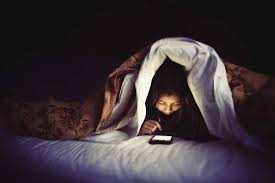
It’s not my business to tell parents what to do, but the research seems pretty clear:


For the study, researchers from the Wales Institute of Social and Economic Research Data asked more than 800 12- to 15-year-olds about their sleep habits — including how often they woke up at night to use social media. Researchers also asked about the teens’ levels of energy and well-being.

What did the researchers find? Waking up at night to use social networking platforms like Snapchat and Instagram was surprisingly common. Twenty-two percent of 12- and 13-year-olds and 23 percent of 14- and 15-year-olds said they “almost always” did so. More than a third said they did at least once a week.

This behavior seems to take a real toll. More than half of the heavier nighttime social media users said they usually go to school feeling tired. 

“In turn, we find a significant association between feeling tired when they go to school and their overall levels of subjective well-being,” Dr. Chris Taylor, a researcher at Cardiff and one of the study’s authors, added in an email to The Huffington Post. 

For some teens, this combination could contribute to mental health issues. Heavy social media use and poor sleep have both been found to take a toll on young peoples’ mental health, so the combination could be even more problematic.

So what’s the solution? Pushing back school start times probably isn’t the answer, as the study’s authors argue that more time to sleep in the morning doesn’t compensate for sleep disruptions. Structured morning routines can be helpful for mediating the effects of poor sleep, the researchers explain, so disrupting those routines with later school start times may not be beneficial.

Instead, the study suggests that it may be more effective to discourage teens from using technology at night. One way to do it? Keeping digital devices out of the bedroom so that a good night’s sleep won’t ruined by the lure of Twitter.

Click on the link to read Mom Shaming is a Disease that Has to Stop

Click on the link to read Going Overboard for Your Child’s First Day of School

Click on the link to read How This Mother Celebrated Her Son’s Graduation (Photo)

What is the Perfect Class Size?

September 21, 2015

I like a class of between 20 to 25. Enough to offer adequate social opportunities but not too many students as to make 1 on 1 teaching a pipe dream.

Click on the link to read Tips for Teaching an Overcrowded Classroom

Click on the link to read The Most Over-Crowded Classroom in the World (Photo)

Click on the link to read Meet the School Consisting of Only 1 Teacher and 1 Student

Click on the link to read Classroom Free Schools

Click on the link to read Teaching 150 Students in the One Classroom!

Tips for Getting Kids to Live Heathily

September 17, 2015

healthy-living

Written by Maria Masters courtesy of CNN:

Don’t tell them to clean their plate

You want your child to finish eating when she’s full, not when she’s finished every morsel in front of her. Research suggests that kids who are told to eat everything on their plates may be more likely to request larger portions of food when they’re away from home. “Pushing kids to eat when they aren’t hungry sets up a bad precedent,” says Lauren Levine, MD, a pediatrician at Columbia Doctors Midtown in New York City. Adults consume almost everything they serve themselves, according to a study by Cornell University experts, but their research also shows that kids only tend to eat about 60% of what they put on their plates—a totally “normal” thing, they say.

Don’t let them eat in front of the TV

Sure, kids might not put up a fuss about breakfast when that meal just so happens to be served during cartoon time. But children who chow down in front of the TV won’t be able to pay attention to the feelings of fullness that should signal the end of the meal, says Dr. Lauren Levine. Instead, “they’ll just eat mindlessly.” One 2009 study found that kids who snacked while watching television may eat more candy and soda, too. Plus, other research has found that the food advertising aimed at children reinforces the message that junk food tastes better—and can be linked to unhealthy diets in young adulthood too.

Better yet, set a screen limit

Fact: Children ages 8 to 18 now spend an average of 7.5 hours a day using media devices, according to a 2010 study by the Kasier Family Foundation. (That’s up from about 6.5 hours in 2000.) And watching TV—whether that’s on a flat screen, computer, or cell phone—takes up a whopping 4.5 hours a day. “You don’t want your children to be sedentary,” says Dr. Alanna Levine, “but watching TV all day also doesn’t increase their creativity, which is important for them.” Sure enough, this 2010 study found that kids who spend more time using media are more likely to get poor grades and are less likely to be content with themselves than those who aren’t as attached to their devices. Consider capping your child’s recreational screen time to no more than 2 hours a day. The AAP discourages any media use for kids under the age of 2 and recommends older children limit their non-education screen time—i.e., entertainment—to 1 to 2 hours daily.

Make exercise fun

As adults, we often equate exercise with the gym. But kids? They just need to get moving for about an hour a day. So kick a soccer ball in the backyard, take a family walk, or go for a hike one weekend. The key is to make sure they’re enjoying it, says Alanna Levine, MD, a pediatrician and spokesperson for the American Academy of Pediatrics (AAP). Once they’re done, she says, take a minute and ask them how their bodies feel. (Spoiler alert: good. Thanks, endorphins!) That way, kids will keep connecting that happy rush with physical activity, which reinforces the physical and mental benefits of exercise.

Read the rest of this entry »

Mom Shaming is a Disease that Has to Stop

September 16, 2015


https://www.youtube.com/watch?t=21&v=kEr_QYgUnug


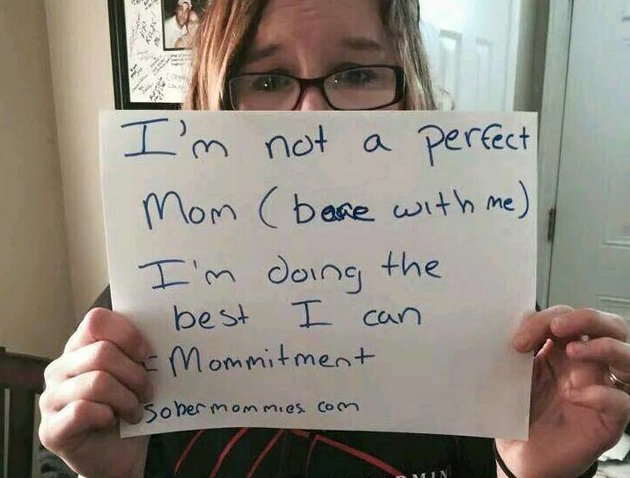
Whether its mom shaming or teacher shaming or any other form of condescension, any judgement designed to belittle is less about child welfare and more about bullying.


mommitment


Click on the link to read Going Overboard for Your Child’s First Day of School

Click on the link to read How This Mother Celebrated Her Son’s Graduation (Photo)

Stopping the Doodling Epidemic

September 12, 2015


My aim is to present lessons which are so captivating as to ward any potential doodlers from practicing their craft.

Am I successful?

Unfortunately, not nearly enough!


Click on the link to read Students Love it When Their Teacher Dares to be Outrageous

Click on the link to read The Questions that Great Teachers Ask Every Day

Click on the link to read Learning as an Experience

25 Books for Teaching Values

September 9, 2015

books-about-kindness

Courtesy of goodnet.org:


1. GRATITUDE

DID I EVER TELL YOU HOW LUCKY YOU ARE
BY: Dr. Seuss
Who better than Dr. Seuss to remind us how lucky we truly are, even when we’re down in the dumps?
THE MORAL OF THE STORY: Focus on what you have and don’t dwell on the bad.

IT COULD ALWAYS BE WORSE
BY: Margot Zemach
This Yiddish folktale depicts gratitude in an uproarious light. When an unfortunate man follows the advice from his Rabbi, his life seems to go from bad to worse – or does it?
THE MORAL OF THE STORY: Things are not always as bad as they seem.

SYLVESTER AND THE MAGIC PEBBLE
BY: William Steig
Sylvester the donkey is thrilled to have found a magic pebble! But when he encounters a lion on his way home, he must make a decision that separates him from his family.  When he’s finally reunited with them, he learns a valuable lesson.
THE MORAL OF THE STORY: Always be grateful for family.

THE BLANKFUL HEART
BY: Mr. Meus
Billy Babble is the richest Babble in Babbleland. He begins to feel like something is missing and sets out on a quest to fill his empty heart.
THE MORAL OF THE STORY: A grateful heart is a happy heart.

AN AWESOME BOOK OF THANKS
BY: Dallas Clayton
Filled with whimsical illustrations and quirky characters, this book notes all the things in life to be grateful for. The list spans from simple joys – tree, trains, a nice breeze and rain –  to the extraordinary – skipping jungle cats and alligator acrobats.
THE MORAL OF THE STORY: We have so many reasons to give thanks.

2. GENEROSITY

THE GIVING TREE
BY: Shel Silverstein
A classic by Shel Silverstein, this tender story is that of a boy who learns a lesson about the gift of giving – but only after it’s too late.
THE MORAL OF THE STORY: Generosity should be appreciated and returned.

THE MINE-O-SAUR
BY: Sudipta Bardhan-Quallen
The Mine-O-Saur is always snatching up all the toys, grabbing all the snacks and hoarding all the blocks, yelling “mine, mine, mine!”  When will he learn the secret to making friends?
THE MORAL OF THE STORY: Sharing is caring.

THE QUILTMAKER’S GIFT
BY: Jeff Brumbeau
The generous Quiltmaker spends all of her time making quilts only to give them away. When she’s approached by the greedy king to make him a quilt, she agrees, but only under certain conditions.
THE MORAL OF THE STORY: Giving is the true secret to happiness.

ONE HEN: HOW ONE SMALL LOAN MADE A BIG DIFFERENCE
BY
: Katie Smith Milway
This is the true story of a mother who gives a little money to her son, Kojo, after receiving a loan from some village families. With this tiny loan, Kojo buys a hen that grows to a large flock and then an entire farm.
THE MORAL OF THE STORY: Giving even a little can make a big difference.

A CHAIR FOR MY MOTHER
BY: Vera B. Williams
After their home is destroyed by a fire, Rosa, her mother, and grandmother save their coins in hopes of buying a comfortable chair that her hard-working mother deserves.
THE MORAL OF THE STORY: Generosity is important in hard times.

3. HONESTY 

THE EMPTY POT
BY: Demi
A Chinese emperor holds a contest where the child who grows the most beautiful flowers from his seeds will be his successor. On the final day, it appears many children have won the contest, but there is only one true winner.
THE MORAL OF THE STORY: Honesty is the best policy.

DAVID GETS IN TROUBLE
BY: David Shannon
David always has a good excuse ready whenever he gets in trouble for his mischievous antics. Slowly, David realizes that making excuses makes him feel bad, and saying he’s sorry makes him feel better.
THE MORAL OF THE STORY: It’s better to own up to your mistakes.

EDWURD FUDWUPPER FIBBED BIG
BY: Berkeley Breathed
Fannie Fudwupper’s big brother, Edwurd, spends his time cooking up giant lies. But one day, Edwurd tells such a whopping lie that the army, the air force, and the dogcatcher are called to reverse the damage.
THE MORAL OF THE STORY: Stick with the truth.

SAM TELLS STORIES
BY: Thierry Robberecht
Sam is so eager to make friends at his new school that he tells them a story that isn’t true. But when the truth comes out, Sam realizes the difference between telling a story and spinning a tale.
THE MORAL OF THE STORY: Your true self is your best self.

THE BERENSTAIN BEARS AND THE TRUTH
BY: Stan and Jan Berenstain
When Brother and Sister Bear accidentally break Mama’s favorite lamp, their little lie about how it happened grows bigger and bigger. Thankfully, Papa Bear helps them find the words that set everything right again.
THE MORAL OF THE STORY: You’ll always feel proud about telling the truth when the  time comes.

4. KINDNESS

GOOD PEOPLE EVERYWHERE
By: Lynea Gillen
This colorful picture book contains endearing examples and vibrant illustrations of people doing good to inspire children to be grateful, caring, and kind. Be it the people that build houses, deliver babies, or take care of others, the message is that people are good.
THE MORAL OF THE STORY: Kindness is always appreciated.

HEY LITTLE ANT
BY: Phillip M. Hoose
This fun book explores life from an ant’s perspective, when an ant strikes up a conversation with the boy who’s about to step on him.
THE MORAL OF THE STORY: Kindness should extend to all living creatures.

EACH KINDNESS
BY: Jacqueline Woodson
New girl, Maya, comes to school and tries to befriend Chloe, but Chloe continually rejects Maya’s attempts at friendship. After Ms. Albert teaches a lesson about kindness, Chloe realizes she has been cruel to Maya. But Maya’s family has moved away, and Chloe is left feeling that she will never have a chance to show Maya kindness.
THE MORAL OF THE STORY: You never know how far even a little bit of kindness can go.

A SICK DAY FOR AMOS MCGEE
BY: Philip C. Stead
Amos McGee, the zookeeper, makes sure to spend a little bit of time with each of his animal friends each day at the zoo. When Amos is too sick to go to work, his animal friends come to him to return the favor.
THE MORAL OF THE STORY: Be kind to others and they will be kind to you.

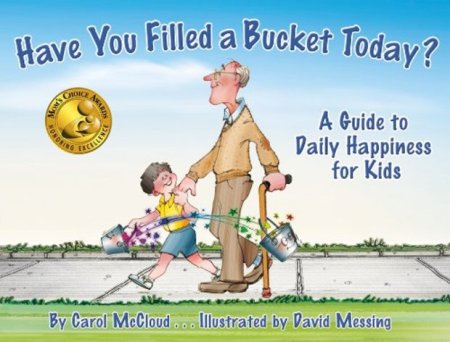
HAVE YOU FILLED A BUCKET TODAY?
BY: Carol McCloud
This award-winning book is based on a beautiful metaphor – that everyone has an invisible bucket that be either be filled or dipped into. Helping others and being kind feels the bucket, while the opposite empties it out.
THE MORAL OF THE STORY: Helping others and being kind brings happiness to yourself and others.

Click on the link to read The Perfect Way to Encourage Kids to Read

Click on the link to read Meet the UK Classroom Where Every Student Speaks English as a Second Language

Click on the link to read Feminist Icons in Children’s and Teen Books

Click on the link to read Long Lost Dr. Seuss Book Set for Release

Meet the Blind Teacher Leading the Way

September 8, 2015


blind-teacher

My old teachers used to claim that they have eyes in the back of their head. This teacher is testament that working eyes are nowhere near as important as passion, patience and a heart:


One of America’s best teachers is proof that adversity is no match for perseverance.

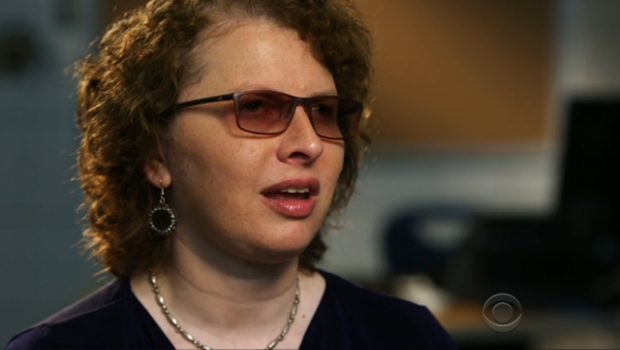
“Speak out, what are you thinking, what are you feeling? What’s in your head? What’s in your hearts?” says Kathy Nimmer standing in front of her class.

Most people have that one teacher they will never forget.

For many students at Harrison High School in West Lafayette, Indiana, that teacher is Kathy Nimmer.

Nimmer is blind. When she started, more than two decades ago, it was such a struggle she almost gave up.

One expression she used was that chaos reigned.

“I’m remembering the day a student threw a book bag across the room and it shattered a window and it felt like it was shattering my heart,” she said.

One day, she had a revelation.

“It’s not about vision, it’s about connecting with students at the heart level,” she said. “That’s what it is. Because they won’t learn anything more from a sighted teacher if that sighted teacher doesn’t care about them as people.”

That philosophy helped her become one of four finalists for the 2015’s National Teacher of the Year award.

Nimmer, who began losing her sight in second grade, navigates the halls with the help of her guide dog.

Students volunteer with their names, instead of raising their hands.

“I have my classroom laid out so I’m never further than three desks away from the most distant student,” she said.


kathy-nimmer


Click on the link to read The History Teacher Who Became a Hero

Click on the link to read And You Want to Remove This Teacher?

Click on the link to read Rafe Esquith Should Come and Work in Australia

Click on the link to read Are the Teachers Union Backing Rafe Esquith?