Posts Tagged ‘kids’

Adults Need Positive Rolemodels Too

May 2, 2012

Thanks to the explosion of reality television shows we have a vast selection of horrendous parenting examples to choose from. Shows like Toddlers and Tiaras and The Real Housewives of New Jersey as well as Jon and Kate Plus 8 showcase styles of parenting that are not to be emulated.

These shows sicken me because they are intended to make deeply flawed parents feel better about their half-hearted approach to parenting by presenting them with examples of worst practice.  It is not responsible for television networks to give parents the impression that as long as they resist spray tanning their toddler they are doing a satisfactory job of raising their kids.

The trials and tribulations of Octomom is a perfect example of gutter television appealing to parents who haven’t yet earned the right to judge. By focussing on the exploits of Octomom, we have denied parents what they should really be seeing on television – examples of good parenting. Adults, like kids, need to see positive rolemodels who can inspire them to make positive change, alter their priorities and help them make good, sensible and selfless life choices.

It may not rate, but it’s got to be better than this:

“Octomom” Nadya Suleman filed for bankruptcy this week, citing $1 million in debts to her landlord, her father, the water department, DirecTV and Whittier Christian School, where several of her 14 children are students.

In 2008, Suleman, 36, famously conceived octuplets through in-vitro fertilization (as she had done with her previous six children) by Dr Michael Kamrava, and became a national obsession. Since the birth, she has cut deals with media outlets and posed in tabloid photo spreads and promoted products and books that somehow never made it to market. In 2009 she turned down a $1 million offer to appear in an adult video for Vivid Entertainment and is currently relying on welfare, food stamps and Social Security disability payments to raise her 14 children, who are all under the age of 10.

Speaking of sound decision-making, in a reversal of her 2009 decision to pass on porn, Suleman told reporters on Monday night’s “Showbiz Tonight” that these days she’ll do just about anything for the benefit of her brood: “You know if the opportunity comes up, I’ll be the first to admit, I’m gonna eat my words,” she said. “Because all that matters is that I can take care of my family.”

Reality television was supposed to allow the viewer to experience the life of another. This can be a very useful device. It can help the average viewer relate to another person by allowing them to experience life in their shoes. Instead, reality television is content in providing us with the very worst society has to offer.

As a parent with a lot to learn, I am sick and tired of being bombarded with ‘polluted parenting’ on the small screen. Where are the shows that explore helpful advice by experienced parents who have overcome adversity and addressed major challenges?

Surely there is a place for a bit of balance in television scheduling?
Tips for Helping Your Child Adjust to a New School

April 29, 2012

Many parents don’t realise just how difficult it is for children to adjust to a change of school. School cultures can vary radically and the look and feel of a new school (not to mention the rules) can be completely different to what the child has experienced before.

Jason Ladcock from healthguidance.org has compiled a list of helpful tips for assisting children in managing the transition to a new school:

• Before the first day of school, make an appointment to meet with the school principal. Introduce your child to the principal and his new teacher. By doing this, you are helping the child feel comfortable because they feel like they already know someone in their new school on their first day.

• When the child isn’t present, talk to the teacher, and discuss your child’s strengths and weaknesses. This will prevent the child from being placed in classes that are too difficult or easy for them. Trying to keep up in a class that is too hard for your child can add extra stress for them at a time when they don’t need it. Being placed in a class that is too easy has its own problems. Your child may become bored and act out or just not fit in with the other children. Talking with the teacher and ensuring proper placement will ease the transition into a new classroom.

• Be positive. The parent’s attitude has more affect on the child than all the other factors put together. If you have a negative attitude about the move or show nervousness, it will affect your child. Be positive and talk about what a good experience it is to have the “opportunity” to move to a new city and school. Explain that it offers all sort new experiences that they will enjoy.

• Acknowledge your child’s feelings and let him express them. Be sure to tell your child that he can talk to you at any time about problems he is having at school or feelings that he is having. Knowing that you’re there for him will take a lot of stress away.

• Make the first day at school as smooth as possible. Prepare everything the night before – clothes, lunches, school supplies, etc. Rushing on the first day at his new school will make the child nervous before he ever enters the school.

• Let your child know that he is welcome to invite new friends home from school.

• Host an activity at your home for your child’s classroom. This is a great way for your child to get to know the other kids.

• Help your child join extracurricular activities at school. When your child has a common interest with other kids, it is easier to get to know them.

I hope these tips prove helpful. I would love to get your feedback about what has worked for you.

Both a Parents’ Best Friend and Worst Enemy

April 21, 2012

I witnessed a 10 year-old boy having a major meltdown at the shoe shop last Sunday. He acted in an obnoxious way and completely embarrassed his mother. Kicking out in obvious frustration, he berated his mother for taking him to the shop (even though she took him because he needed new shoes!) He screamed out on a number of occasions, “This is so boring!”

It took a while for the mother t0 react decisively. At first she tried to reassure him, then sweet talk him. Finally she decided to threaten him. Nowadays, when a parent threatens their child there seems to be a standard “go to” consequence – the use of the family game console. The mother said, “That’s it! No more Playstation for the rest of the day!”

And then she paused, if only to reflect on what she had just done and whether she was comfortable with the challenges that come with setting such a punishment.

“What?” came the boy’s reply. “No Playstation? For the whole day? Why?”

“Because of your tantrum. I’m fed up with it!”

“But that’s not fair! I was just bored, that’s all!”

And then, as if the penny dropped, the mother realised what she had done. In a haste to punish her child, it dawned on her that she had in fact punished herself. She realised that her child is tolerable in front of the Playstation and a considerable challenge away from it. So she scrambled for an “out clause.”

“If you behave for the rest of your time here I might reconsider.”

Unfortunately, this is becoming standard practice among parents. As much as they hate watching their children becoming couch potatoes and gaming addicts, as much as they wish that they could get their attention quicker and steer them away from these distractions when it’s time to do homework, they have come to rely on it for peace and quiet. Here this mother had the perfect punishment for her son’s terrible exhibition. Following through would certainly be a “game changer.” It would make the statement that if you want to misbehave like that in public again it may come at a major price.

But no, this parent wasn’t prepared to risk ruining the rest of her Sunday for the sake of this statement. She probably wanted her son to be out of sight and mind for the rest of the day and there was no way that was going to happen with the punishment she nominated.

I am not trying to judge this parent. We have all breathed a sigh of relief as our child has camped in front of television or computer screen at some stage.

I am merely commenting on the stranglehold this technology has over parents, children and families.

Kids and the Choking Game

April 16, 2012

A dull, dormant life can not be fully responsible for the rise of the infamous “choking game” played largely amongst kids, but it surely must be a contributing factor. The constrictive and restrictive nature of school, regulations, non-active lifestyles and anti-socialised extra-curricula activities must be factored into the increased popularity of this dangerous game.

Although the choking game is not new, very little research has been done to investigate how often it happens or which kids are more likely to try it. But the new study published today in the journal Pediatrics gives a snapshot of who is engaging in this risky activity.

Researchers surveyed nearly 5,400 Oregon eighth graders, and 6.1 percent reported playing the choking game at least once in their lives. Among those who had played, 64 percent had played more than once and 27 percent had done it more than five times. Boys and girls were equally likely to have participated.

The researchers found that kids who participated in the game commonly engaged in other risky health behaviors. About 16 percent of boys and 13 percent of girls who reported using alcohol, tobacco or marijuana on the health survey also reported playing the choking game. Girls who reported being sexually active were four times as likely to participate in the choking game as those who had never had sex.

Robert Nystrom, adolescent health manager at the Oregon Public Health Division and one of the study’s authors, said it’s significant that kids who play the choking game are also experimenting with alcohol, drugs and sex.

“Risk-taking is a part of normal adolescent development. The fact that a lot of adolescents are participating in these behaviors shouldn’t surprise us,” Nystrom said. “What we want to do is prevent it.”

Nystrom noted that the choking game is different from autoerotic asphyxiation, where the goal of near-strangulation is sexual gratification. In the choking game, kids simply seek the rush that comes from passing out.

Before adults become hysterical about this growing trend, I ask them to consider the life of a standard teenager and reflect on what we can do to help them appreciate the real thrills that life has to offer.

Absent-Minded Kids Are Smarter: Study

March 18, 2012

For an absent-minded teacher like myself, this is very encouraging news. To think that we could be smarter, regardless of whether we know what day it is or recall what our passwords are, is surprising to say the least:

Is your child absent-minded? You should feel happy, for a new study says that it may well be a sign that the kid is intelligent. Researchers have found that children who have wandering minds actually have sharper brains — in fact, those who are constantly distracted are able to hold far more information than their diligent peers.

The study has shown that those who appear to be constantly distracted have more “working memory”, giving them the ability to do two things at the same time, the Daily Mail reported.

Those who appear to be constantly distracted have more “working memory”.

Participants in the study had to either press a button in response to the appearance of a certain letter on a screen, or tap in time with their breath. The researchers checked periodically to ask if their minds were wandering.

At the end, they measured the participants’ working memory capacity, giving them a score for their ability to remember a series of letters interspersed with easy maths questions.

Daniel Levinson of University of Wisconsin-Madison, who led the study, said those with higher working memory capacity reported “more mind wandering during these simple tasks” even though their performance was not compromised.

The results are the first to show the association with mind wandering and intelligence. It is thought the extra mental workspace is used, for instance, when adding up two spoken numbers without being able to write them down. Its capacity has been associated with general measures of intelligence, such as reading comprehension and IQ score.

I could sit here and show-off about these findings but I’m too busy trying to find my darn car keys …. again!

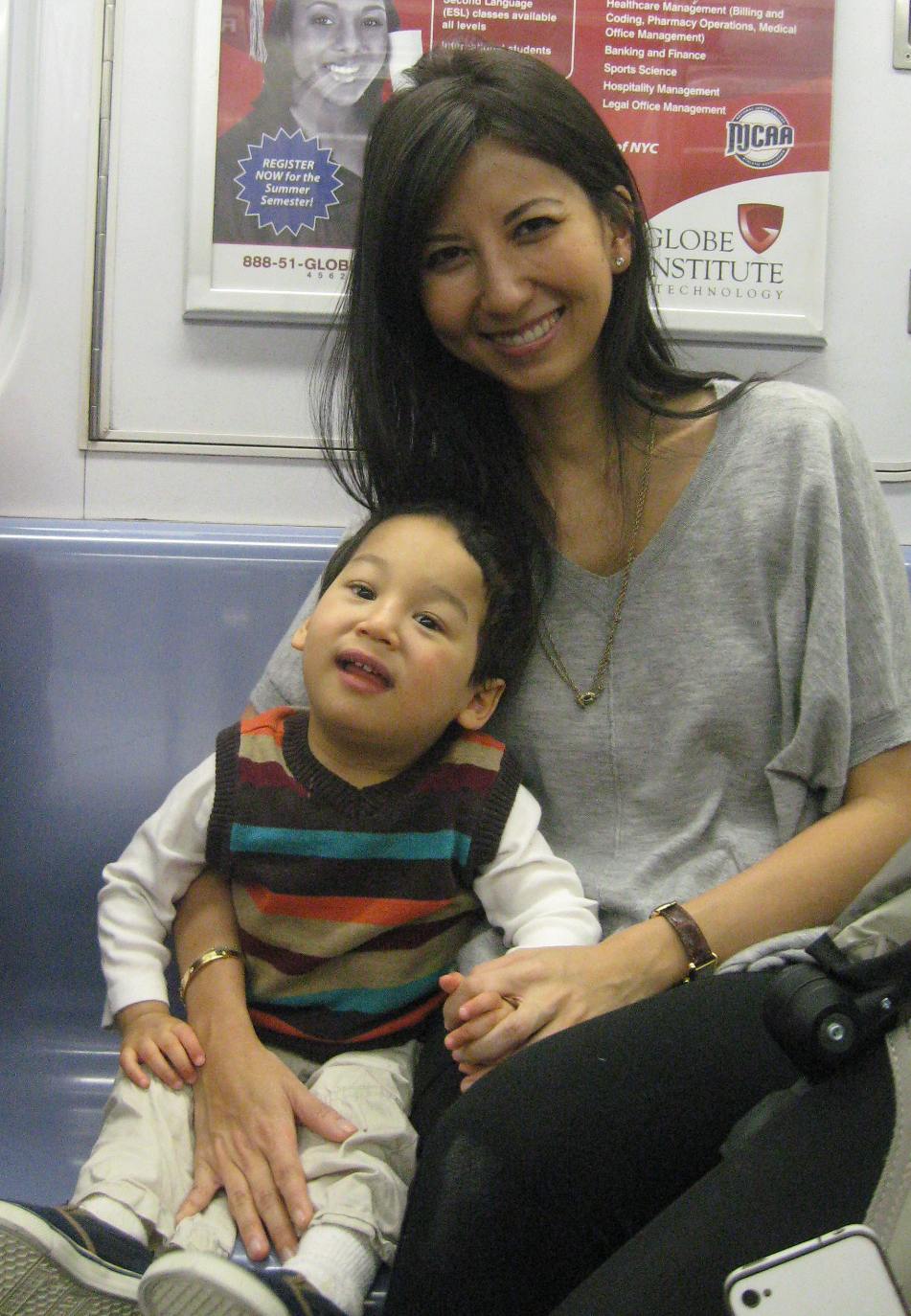
The Difficulties of Parenting a Special Needs Child

March 10, 2012


Teaching a Special Needs child can be a most difficult proposition, but parenting one is infinitely harder.

I read a brilliant piece entitled, “6 Things You Don’t Know About a Special Needs Parent.” It’s honesty provides the reader with great insight into the difficulties of raising a child that suffers from a disability. Maria Lin, the author of this wonderful article, is the parent of a 3-year-old suffering from a disorder of the 18th Chromosome. Up until now she has been tight-lipped about her experiences. I have no doubt that this article will serve to educate people like myself and will provide some comfort to other parents who are in a similar situation.

Below is her list of 6 insights:

1. I am tired. Parenting is already an exhausting endeavor. But parenting a special needs child takes things to another level of fatigue. Even if I’ve gotten a good night’s sleep, or have had some time off, there is a level of emotional and physical tiredness that is always there, that simply comes from the weight of tending to those needs. Hospital and doctors’ visits are not just a few times a year, they may be a few times a month. Therapies may be daily. Paperwork and bills stack up, spare time is spent researching new treatments, positioning him to sit a certain way, advocating for him in the medical and educational system. This is not to mention the emotional toll of raising a special needs child, since the peaks and valleys seem so much more extreme for us. I am always appreciative of any amount of grace or help from friends to make my life easier, no matter how small, from arranging plans around my schedule and location, to watching my son while I am eating.

2. I am jealous. It’s a hard one for me to come out and say, but it’s true. When I see a 1 year-old baby do what my son can’t at 4 years-old (like walk), I feel a pang of jealousy. It hurts when I see my son struggling so hard to learn to do something that comes naturally to a typical kid, like chewing or pointing. It can be hard to hear about the accomplishments of my friend’s kids. Sometimes, I just mourn inside for Jacob, “It’s not fair.” Weirdly enough, I can even feel jealous of other special needs kids who seem to have an easier time than Jacob, or who have certain disorders like Downs, or autism, which are more mainstream and understood by the public, and seem to offer more support and resources than Jacob’s rare condition. It sounds petty, and it doesn’t diminish all my joy and pride in my son’s accomplishments. But often it’s very hard for me to be around typical kids with him. Which leads me to the next point…

3. I feel alone. It’s lonely parenting a special needs child. I can feel like an outsider around moms of typical kids. While I want to be happy for them, I feel terrible hearing them brag about how their 2 year-old has 100 words, or already knows their ABCs (or hey, even poops in the potty). Good for them, but it’s so not what my world looks like (check out Shut Up About Your Perfect Kid). It’s been a sanity saver to connect with other special needs moms, with whom it’s not uncomfortable or shocking to swap stories about medications, feeding tubes, communication devices and therapies. Even within this community, though, there is such variation in how every child is affected. Only I understand Jacob’s unique makeup and challenges. With this honor of caring for him comes the solitude of the role. I often feel really lonely in raising him.

4. I wish you would stop saying, “retarded,” “short bus,” “as long as it’s healthy… “ I know people usually don’t mean to be rude by these comments, and I probably made them myself before Jacob. But now whenever I hear them, I feel a pang of hurt. Please stop saying these things. It’s disrespectful and hurtful to those who love and raise the kids you’re mocking (not to mention the kids themselves). As for the last comment, “as long as it’s healthy,” I hear a lot of pregnant women say this. Don’t get me wrong, I understand and share their wishes for healthy babies in every birth, but it’s become such a thoughtless mantra during pregnancy that it can feel like a wish against what my son is. “And what if it’s not healthy?” I want to ask. (My response: you will be OK. You and your child will still have a great, great life.)

5. I am human. I have been challenged and pushed beyond my limits in raising my son. I’ve grown tremendously as a person, and developed a soft heart and empathy for others in a way I never would have without him. But I’m just like the next mom in some ways. Sometimes I get cranky, my son irritates me, and sometimes I just want to flee to the spa or go shopping (and, um, I often do). I still have dreams and aspirations of my own. I travel, dance, am working on a novel, love good food, talk about dating. I watch Mad Men, and like a good cashmere sweater. Sometimes it’s nice to escape and talk about all these other things. And if it seems that the rest of my life is all I talk about sometimes, it’s because it can be hard to talk about my son. Which leads me to the final point…

6. I want to talk about my son/It’s hard to talk about my son. My son is the most awe-inspiring thing to happen to my life. Some days I want to shout from the top of the Empire State Building how funny and cute he is, or how he accomplished something in school (he was recently voted class president!). Sometimes, when I’m having a rough day, or have been made aware of yet another health or developmental issue, I might not say much. I don’t often share with others, even close friends and family, the depths of what I go through when it comes to Jacob. But it doesn’t mean that I don’t want to learn how to share our life with others. One thing I always appreciate is whenever people ask me a more specific question about my son, like “How did Jacob like the zoo?” or “How’s Jacob’s sign language coming along?” rather than a more generalized “How’s Jacob?” which can make me feel so overwhelmed that I usually just respond, “Good.” Starting with the small things gives me a chance to start sharing. And if I’m not sharing, don’t think that there isn’t a lot going on underneath, or that I don’t want to.

Parents Urged to do the Job of a Teacher

March 1, 2012

It is my belief that the job of a parent is to parent and the job of the teacher is to teach. Sure it’s wonderful when parents take it upon themselves to help reinforce skills taught in class. I am always appreciative of parents that spare some time to revise concepts covered during the school day. But essentially, I am paid to ensure that the parents can spend textbook-free quality time with their children. This is in my view essential to maximising the relationship of child and parent. Children often show a reluctance to work through school material with their parents and parents often get very anxious when trying to get their children to concentrate and listen to their explanations.

It is my job to see it that parents are free to spend time with their children without having to go through the ordeal of maths and science work. That’s what they pay me for.

But unfortunately, it seems that we are not doing a good enough job. It seems as if parents have often been given little choice but to try to fill in the gaps we have left behind. You hear too many stories of parents frantically trying to complete their own childs’ homework, sometimes struggling to work out the answers themselves:

A quarter of parents in Reading admit that helping their children with homework leads to family arguments, according to a survey.

Research by tuition provider Explore Learning also showed 9.2 per cent rarely helped their children with homework with more than two thirds struggling when they did.

Maths confuses parents the most with 41.2 per cent of parents finding the subject hard to grasp compared to the 11.1 per cent of parents who find English difficult.

Nationally, nearly a third of parents admitted homework had caused friction in the family with Reading not straying far from the average when it came to struggling in maths and English.

It’s time we let parents bond with their children instead of getting them to do our dirty work. Homework, if administered at all, should be revision of concepts covered in the class. If the children are not capable of doing it independently it shouldn’t have been given to them in the first place.

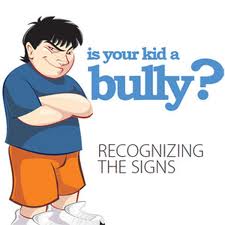
Would You Notice if Your Child Was a Bully?

February 21, 2012

Psychologist Jodie Benveniste thinks parents are so blinded by the belief that their child is perfect that they are startled when confronted with the possibility that their child has been bullying others:

Psychologist Jodie Benveniste says most parents don’t – until they get a call from their child’s school.

“That’s often the first time you hear about it because you’re not there to observe the behaviour,” she says.

Youth worker and school chaplain Nigel Lane says in his experience parents are usually in “total shock” or “total denial” when they learn their child is a bully.

The experts agree there are tell-tale signs parents can look for, including very aggressive behaviour towards siblings, talking aggressively and negatively about other children and coming home with money or items that don’t belong to them.

Lane, who has written several books and is working on another about how to recognise a bully, says most parents eventually accept there is a problem.

 “Generally I say to parents that the first thing they should do is listen. Listen to the accusation, don’t deny and ignore it,” he says.

“Then do exactly the same with your child. Sit down with your son or daughter and just listen. Ask broad questions, such as, ‘School gave me a ring today to tell me something happened at lunch time, what was it?’ rather than saying, ‘You’re a bully’, which could make them defensive.”

Lane says this “gentle” approach is more likely to bring out the truth or a version close to it.

The bullying stigma has become a massive one. It is essential that we don’t label people as bullies haphazardly. What that does is unnecessarily complicate the issue, while it also puts children who are involved in one-off incidents in the same basket as perpetual offenders.

Parents should be open to the fact that their children acts differently at school than they do at home. Schools must realise that such a disparity often comes as a result of the unnatural array of clicks and the deep social segregation that are a common fixture in many schools.

The reason why parents may be surprised to know that their child is bullying isn’t just due to their lack of objectivity, it’s also due to the ‘dog eat dog’ environment rampant in many schools. Kids are presented with an environment that is often vicious, unrelenting and difficult to navigate through.

This of course doesn’t excuse their behaviour. What it does do, is make schools equal partners with the parents in reforming bullying children.

The ‘100 Greatest Books for Kids’ is Released

February 16, 2012

Scholastic Parent & Child magazine have gone to the trouble of ranking the 100 “Greatest Books for Kids.” There are some great titles among the list and some notable omissions. I am a tad disappointed “The Cat in the Hat” didn’t make the list. I suppose you can’t please everybody.

Below is the list:

1. Charlotte’s Web by E.B. White

2. Goodnight Moon by Margaret Wise Brown

3. A Wrinkle in Time by Madeleine L’Engle

4. The Snowy Day by Ezra Jacks Keats

5. Where the Wild Things Are by Maurice Sendak

6. Harry Potter and the Sorcerer’s Stone by J.K. Rowling

7. Green Eggs and Ham by Dr. Seuss

8. The Diary of a Young Girl by Anne Frank

9. The Giving Tree by Shel Silverstein

10. Frog and Toad Are Friends by Arnold Lobel

11. Anne of Green Gables by L.M. Montgomery

12. The Very Hungry Caterpillar by Eric Carle

13. Madeline by Ludwig Bemelmans

14. The Wind in the Willows by Kenneth Grahame

15. The Dot by Peter H. Reynolds

16. Tuck Everlasting by Natalie Babbitt

17. Pat the Bunny by Dorothy Kunhardt

18. When Marian Sang by Pam Munoz Ryan

19. Knuffle Bunny: A Cautionary Tale by Mo Willems

20. Where the Sidewalk Ends by Shel Silverstein

21. Bud, Not Buddy by Christopher Paul Curtis

22. Corduroy by Don Freeman

23. The Phantom Tollbooth by Norton Juster

24. The Little Engine That Could by Watty Piper

25. The Giver by Lois Lowry

26. Where the Mountain Meets the Moon by Grace Lin

27. Black on White by Tana Hoban

28. Don’t Let the Pigeon Drive the Bus! by Mo Willems

29. Are You There God? It’s Me, Margaret. by Judy Blume

30. My Rotten Redheaded Older Brother by Patricia Polacco

31. The Mitten by Jan Brett

32. The Runaway Bunny by Margaret Wise Brown

33. The Hunger Games by Suzanne Collins

34. Swimmy by Leo Lionni

35. Freight Train by Donald Crews

36. The Secret Garden by Frances Hodgson Burnett

37. The Little Mouse, the Red Ripe Strawberry, and the Big Hungry Bear by Don & Audrey Wood

38. Diary of a Wimpy Kid by Jeff Kinney

39. Zen Shorts by John J. Muth

40. Moo, Baa, La La La! by Sandra Boynton

41. Matilda by Roald Dahl

42. What Do People Do All Day? by Richard Scarry

43. The Lion, the Witch and the Wardrobe by C.S. Lewis

44. Good Night, Gorilla by Peggy Rathmann

45. The Composition by Antonio Skarmeta

46. Not a Box by Antoinette Portis

47. Brown Bear, Brown Bear, What Do You See? by Bill Martin Jr. and Eric Carle

48. Hatchet by Gary Paulsen

49. Martin’s Big Words by Doreen Rappaport

50. Sarah, Plain and Tall by Patricia MacLachlan

51. Sylvia Long’s Mother Goose by Sylvia Long

52. The Lightning Thief by Rick Riordan

53. The House at Pooh Corner by A.A. Milne

54. Through My Eyes by Ruby Bridges

55. Smile! by Roberta Grobel Intrater

56. Living Sunlight by Molly Bang & Penny Chisholm

57. The Bad Beginning by Lemony Snicket

58. Harvesting Hope: The Story of Cesar Chavez by Kathleen Krull

59. Dear Juno by Soyung Pak

60. Head, Shoulders, Knees, and Toes… by Annie Kubler

61. The Lion and the Mouse by Jerry Pinkney

62. Diary of a Worm by Doreen Cronin

63. The Invention of Hugo Cabret by Brian Selznick

64. My Truck Is Stuck! by Kevin Lewis

65. Birds by Kevin Henkes

66. The Maze of Bones by Rick Riordan

67. Esperanza Rising by Pam Munoz Ryan

68. Counting Kisses: A Kiss & Read Book by Karen Katz

69. The Magic School Bus at the Waterworks by Joanna Cole

70. Blackout by John Rocco

71. Bridge to Terabithia by Katherine Paterson

72. Are You My Mother? by P.D. Eastman

73. Tea With Milk by Allen Say

74. Owl Moon by Jane Yolen

75. Holes by Louis Sachar

76. Peek-a Who? by Nina Laden

77. Hi! Fly Guy by Tedd Arnold

78. Mrs. Frisby and the Rats of NIMH by Robert C. O’Brien

79. Llama Llama Red Pajama by Anna Dewdney

80. What Do You Do With a Tail Like This? by Steve Jenkins & Robin Page

81. Lincoln: A Photobiography by Russell Freedman

82. Ivy + Bean by Annie Barrows

83. Yoko by Rosemary Wells

84. No No Yes Yes by Leslie Patricelli

85. Tales of a Fourth Grade Nothing by Judy Blume

86. Interrupting Chicken by David Ezra Stein

87. Rules by Cynthia Lord

88. Grumpy Bird by Jeremy Tankard

89. An Egg Is Quiet by Dianna Hutts Aston

90. Puss in Boots by Charles Perrault

91. Team Moon: How 400,000 People Landed Apollo 11 on the Moon by Catherine Thimmesh

92. What Shall We Do With the Boo Hoo Baby? by Cressida Cowell

93. We the Kids: The Preamble to the Constitution of the United States by David Catrow

94. I Took the Moon for a Walk by Carolyn Curtis

95. A Single Shard by Linda Sue Park

96. Gossie by Olivier Dunrea

97. The Adventures of Captain Underpants by Dav Pilkey

98. First Words by Roger Priddy

99. Joyful Noise: Poems for Two Voices by Paul Fleischman

100. Animalia by Graeme Base

5 Tips to Better Connect with Students

February 16, 2012

I stumbled upon an extremely useful guide for improving the teacher/student relationship. The following are 5 tips for assisting teachers in reaching out to their students more effectively:

 
1- Pay attention to your students’ interests
Now that I’ve been teaching 10 years and I’ve mastered my subject area and the pedagogy of how to teach and reach every child’s learning style, I’m able to focus on the interpersonal things that make a big difference.

Administrators, school boards, and districts may see numbers, but numbers are not children. No child is a number. Children have names and hobbies and interests and family lives. Children are individuals and it is my job as a teacher to help them find their unique talents. I want to be the one that helped them on their journey of self-discovery.

2- Tell your students what they need to hear not what they want to hear.
I’m not here to be popular, I am here to teach. I am here to love these kids and to do what is right by their future selves. I believe I have succeeded when my students come back in 10 years and thank me. Sometimes they think I’m tough now and they groan, but I know that I’m doing right by them.

3- Take time to think about individual students
.
One of my heroes is the director of our learning lab here at Westwood, Grace Adkins. Every weekend she carries home a folder with the learning profiles, test results, and current work of 3 children who she works with in the lab, and she has been doing this for 60 years. She studies her students like a college student studies a textbook. She has doctors, lawyers, and bankers who credit her with helping them learn how to learn.

4- Learn to teach using many modalities.
Lecture may be ok some of the time, but it is never ok to do this all the time. Good teachers learn about pedagogy, the methods used to teach. Yesterday, I had a student dress up in a chef’s outfit with a mixing bowl and a recipe book with labels on everything to teach how microprocessors work. When I finished, my students said, “that is easy to understand.” A good teacher can demystify a complex topic and make it simple to understand.

5 – Let your passion come through.
If you love your topic, it will come through in your voice, your body language, and everything you do. There are times I’ve loved one subject more than another, but I can always get excited about teaching a child something for the first time that I know is valuable. I think it is important to let your own personality come through in your teaching.

The greatest challenge of teaching is reaching as many children as possible. Touching every student is an impossible task — but every moment in our lives as educators brings new opportunities.

I absolutely love this list. I think they have nailed some of the most essential methods for maintaining a strong connection between teacher and student.