Posts Tagged ‘Education’
January 25, 2012

It sickens me to read about teachers misusing their privileges and being accused of engaging in inappropriate dealings with students. Similarly, it upsets me no end that these horrendous people end up making life even harder for well-meaning, caring and decent teachers.
Male teachers will be completely aware with what I am saying. It is hard to be a male teacher (especially Primary teacher) in an age where there are daily stories doing the rounds about teacher sexual abuse. We have to be careful to the point of obsession. Whilst female teachers wouldn’t hesitate to talk to a student alone behind closed doors, a male teacher cannot afford to. Whilst female teachers cuddle and get kids to sit on their laps without the slightest of hesitation, male teachers wouldn’t even extend their hand for a handshake. I am not trying to complain about this. In fact, I am a big advocate of these rules. It’s the fear of being falsely implicated that makes it a struggle.
And it’s not just male teachers who are effected by these evil people. They have also taken technology like social media, which I hear has incredible benefits as an educational tool, and prevented good, hard-working teachers from freely using it to assist their students.
One in 10 misconduct cases from schools involved teachers using social networking sites like Facebook to start inappropriate relationships with their pupils, it was reported.
n 43 of the 336 cases referred to the General Teaching Council for England last year for “unacceptable professional conduct”, teachers had used online forums, emails and websites like Facebook and Twitter to contact children.
The figures also revealed a wide variation in school policy over social networking websites with some banning teachers from having accounts while others allow staff to be “friends” with pupils.
The GTC registrar, Paul Heathcote, told the Guardian: “Often the use of social media by teachers can be positive and make a valuable contribution to a teacher’s practice, to pupils or to the school.
“Only if the use of social media by a teacher is relevant and serious enough to potentially affect a teacher’s registration is it likely to progress to a hearing.”
I would argue that it has become too risky to use Facebook as an educational tool between teacher and student. And we know exactly who to blame for that.
Tags:Beal high school, Benedict Garrett, Education, facebook, General Teaching Council for England, Internet, Karl Hopwood, Lee Butcher, life, Male Teachers, misconduct, Parenting, Paul Heathcote, social media, technology, Twitter
Posted in Male Teachers, Social Media | 2 Comments »
January 24, 2012
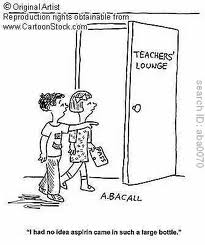
101 useful tips from the wonderful blog smartteaching.org. To read the whole list follow this link. Below is just a taste:
Organization Tools
Staying organized will also beat back stress, as you’ll be able to meet deadlines, remember projects and field trips, and have more time for yourself.
- Google Calendar: Set up events and schedules for lesson plan submission dates, in-service workshops and more by using Google Calendar.
- ubernote: This cute tool lets you dump lists, contact information, event plans, special project ideas, field trip materials and more into several different notepads that keep you organized and on track.
- Notesake: This tool is great for teachers who are pursuing a higher degree, going to workshops or earning more credit hours for their certification. You can take notes faster and organize your notes so that you’ll be able to find them once you want to plan a lesson.
- eFax: Keep your runs to the teachers’ lounge to a minimum by using eFax, which lets you send out permission reports, progress reports and anything else you need signed over the Internet.
- Backpack: This very popular tool lets you “centralize and share information” with other teachers in your department. You can maintain a department calendar, share pages and a to-do list.
- Toodledo: Toodledo sends reminders to your mobile phone so you never forget a task.
- Project Stat.us: Keep your principal and supervisors updated with new project information or your certification process with this collaboration tool that lets you organize your progress online.
- Evernote: Use this beta tool to capture images and websites on your computer or your mobile phone. You can then organize your notes and presentations for class wherever you are.
- Tools and Templates: If you don’t have time to design your own certificates, game tools, or work sheets, pull from this list of tools and templates for teachers.
- Google for Educators: Here you’ll find some of the best available Google tools and apps just for teachers.
Tags:Education, Google, Teachers Stress, technology
Posted in Teachers Stress | Leave a Comment »
January 22, 2012
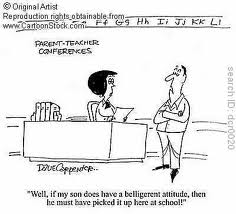
One of the most important skills of a successful teacher is the ability to harness positive interactions with parents. I believe that a teacher must consider themselves part of a team. After all, the parents and teacher form the three major stakeholders in a child’s education.
Such a notion is supported by expert Karen Campbell.
A GOOD parent-teacher relationship is important to every child’s learning journey and helps develop a memorable school experience.
That’s the opinion of Sunshine Coast education expert Karen Campbell.
And like any relationship, she says these need nurturing and constant attention to be of benefit to the child.
With the new school year only a week away, many parents may be meeting their child’s teacher for the first time.
“Parents have to realise that a teacher is such an important part of their child’s life,” Mrs Campbell, a tuition facilitator and former teacher, said.
“They need to introduce themselves to the teacher, and tell the teacher any special things about their child.
“Open communication is essential, so it’s important for parents to inform the teacher if there’s a problem at home such as a death, break-up or business failure.
“This allows teachers to develop an understanding and appreciate why a child may be behaving a certain way.”
Not all parents are easy to get along with and some employ methods that are not exactly to my liking, but I realise that a disconnect between myself and the childs’ parents is potentially destructive to the academic progress of the child.
It is important to work past any differences one may have and find common ground in the best interests of the child.
Tips for healthy parent-teacher relationships:
- Re-introduce yourself to your child’s teacher by appointment
- Inform your child’s teacher of any home-related problems
- Volunteer to help with school activities
- Make sure you adopt the same learning style at home as at school
- Notify the teacher of any special talents or gifts your child may have
- Open the lines of communication through casual conversations outside the classroom, for example, when dropping off your child or picking them up
Tags:Children, Communication, Education, Family, Karen Campbel, kids, life, Parenting, Parents, Professor of Education Michael Nagel, Teaching Methods
Posted in Parenting, Teaching Methods | 4 Comments »
January 22, 2012

Nick Gibb wants to remove incentives to schools that are protecting their league table ranking at the expense of extending bright students.
Secondary schools that fail to push bright children will be named and shamed in a bid to prevent comprehensives from manipulating the league table rankings, the schools minister has said.
Nick Gibb said he wanted to remove the incentive for schools to play the system by focusing only on pupils whose grades will affect their league table ranking.
Gibb said the tables would include additional information to expose schools who fail to push bright students who were capable of performing even better if they had better teaching.
In the reformed league tables, which will be published for the first time next week, parents will be able to compare schools based on the amount of progress made by the top pupils between 11 and 16.
“The way school league tables have evolved over the past two decades can encourage a degree of ‘gaming’ by some weaker schools, desperate to keep above the standard that would trigger intervention by Ofsted or the Department for Education,” Gibb writes in Saturday’s Telelgraph.
“But the purpose of performance tables must be to incentivise schools to raise standards and to enable parents to make informed decisions when choosing a school.”
The reason why schools don’t invest more time into bright students is not because they don’t care. It is because the system was set up to force schools to protect their ranking. It’s these blasted rankings that taint education. Teaching and learning is not a game. It shouldn’t come by way of fear or shaming, but through sound methods and a positive approach,
Policy makers should be named and shamed for changing the landscape of education. No industry is under so much pressure, with so little real reward. Teaching under a cloud of negativity poorly impacts staff and students.
Perhaps there will be more attention to brighter students as a result of these measures. But in the end, nobody wins from negative tactics and a data driven school system.
Tags:bright students, Education, Education Policy, league table rankings, Nick Gibb, Ofsted, Parenting, Politics, Secondary schools
Posted in Education Policy | Leave a Comment »
January 20, 2012

I completely disagree with James Kendrick’s reasoning for his stance on the iPad for Education scheme. He is of the belief that the program may unravel due to the kids’ rough treatment of the equipment.
Apple wants to make a difference in areas that matter, and education certainly qualifies. Today’s announcement of a new textbook publishing scheme, that provides rich textbook content for grade schoolers using iPads, is a good step toward bringing the education system into the digital age. There is one thing that may get in the way of the Apple goal: kids.
As part of my interest in covering mobile technology, I made friends with several administrators handling these programs at the schools, which included both middle schools and high schools. Listening to the people behind the laptops in grade schools was certainly eye-opening, and lead me to wonder how feasible Apple’s iPads in schools initiative can really be.
What these program administrators discovered was how destructive school kids can be on a regular basis. The stories they told about how thoroughly destroyed many of these laptops were over the course of a school year, in what would be considered top schools, were mind-boggling. Several years of data found that few, if any, laptops survived the entire school year without extensive physical damage through poor handling by the kids. It was so bad that after the first couple of years the budget had to be changed to reflect the inability to use a single laptop in more than one school year.
The fact that the laptops were damaged in “top schools” doesn’t surprise. Students in top schools often take for granted the value of equipment. They assume that broken items are quickly replaceable with little hassle involved. It is my belief that children from poorer families actually take better care of equipment.
And this leads to my second point. One of the major benefits of iPads in the classroom is the expense of text books will be markedly reduced. Whilst the tablets will be quite costly, so too are conventional text books. This program allows schools to offer students from poorer families access to the best online textbooks at a much cheaper rate.
Sure, there will be damage to some i-Pads. That’s to be expected. But it isn’t reason to desist from embracing this program. Children are not unnecessarily destructive. If they are made to realise the expense and significance of what the school is offering they are most likely going to ensure that they look after the equipment.
If you trust kids to do the right thing they will not let you down.
Tags:Apple, Apple iPad for education scheme, Education, iPads, IT, laptops, mobile technology, Tablets, Technology in the Classroom, textbook publishing scheme
Posted in Technology in the Classroom | Leave a Comment »
January 19, 2012

You would have thought we were stuck in the 1960’s. Honestly, to offer make-up classes to young girls is such an outdated idea.
A school has triggered outrage for giving make-up lessons to girls as young as 14.
The classes at Mount St Mary’s Catholic High School in Leeds even teach the youngsters how to get ready for a night out, the Mirror reports.
Teachers claim they help pupils learn how to make a good first impression and can boost their self-confidence.
However, family campaign groups and parents yesterday criticised the school.
The Family Education Trust told the paper: ‘At a time when there is growing public concern about the sexualisation of children and young people, it is irresponsible for schools to provide make-up lessons.
‘Parents don’t send their daughters to school to learn how to put on make-up but to receive a decent education.
‘The fact that some of the pupils asked for these lessons is no defence.
Indeed, it is not for students to dictate what is taught in class. My issue here is it sends the wrong message. True confidence doesn’t come from the ability to apply make-up, it comes from achievement. Far more worthier programs can be undertaken by the school than this one.
Whilst I don’t feel it’s necessary to condemn the school for this error in judgement, I think it’s time they concentrated on making these girls feel good about themselves within their charter of educational outcomes.
Tags:Camilla Lane, Child Development, Confidence, David Cameron, Education, Family Education Trust, Feminism, Leeds, Model Education, Mount St Mary’s Catholic High School, News, Parenting, Politics, Sarah Teather, self-confidence, sexualisation of children, Sue Carluccio, Teachers
Posted in Child Development | 2 Comments »
January 19, 2012

Today is a disappointing day for all Americans (and the vast majority don’t know it). The Supreme Court’s decision not to overturn a previous decision which found in favour of students who harassed and slandered two Principals on the grounds that the school did not have the authority to punish them for deeds committed outside of the school gates.
The court let stand the suspension of a West Virginia high school’s “Queen of Charm,” who created a Web page that suggested another student had a sexually transmitted disease, and invited classmates to comment.
The court also left alone rulings that said schools could not discipline two Pennsylvania students for MySpace parodies of their principals that the students created at home. An appeals court, following 40-year-old case law on student speech, said the posts did not create substantial disruptions at school.
Lawyers on both sides were disappointed that it will be at least another year before the high court wades into the issue. Federal judges have issued a broad range of opinions on the subject.
“We’ve missed an opportunity to really clarify for school districts what their responsibility and authority is,” said Francisco Negron, general counsel of the National School Boards Association. “This is one of those cases where the law is simply lagging behind the times.”
This is a bitter blow for American society. Cyber bullying is a significant problem. It is my opinion that schools should most certainly get involved when its students are bullying each other (irrespective of where they are when they do it). By working with the parents, schools can play a vital role in deterring bullies from victimising others online.
I am very saddened to read that the Supreme Court is of the opinion that when a child call their Principals names like a “big fag”, “whore”, “hairy sex addict” and “pervert”, their posts do “not create substantial disruptions at school.” Really? I would have thought it would certainly undermine the authority of the Principal. And should she/he is unable to take any action, it sets an awful message that you can get away with saying anything online.
Is this progress? I think not!
Tags:Bullying, Cyber Bullying, Education, Francisco Negron, high court, Justin Layshock, Kara Kowalski, Kevin McCoy, life, MySpace, National School Boards Association, News, Parenting, Pennsylvania, Queen of Charm, Supreme Court, The American Civil Liberties Union, West Virginia high school, Witold Walczak
Posted in Cyber Bullying | Leave a Comment »
January 17, 2012

Whilst I believe that it’s the right of every parent to decide what is and isn’t appropriate at school, sometimes they go overboard. The parents that pulled their primary aged children from their school’s massage program (a program which gets children to massage each other) on the grounds that it was inappropriate, had every right to do so. What bothers me, is that by making the school’s program a big issue, they are in fact railroading future programs which may benefit their children.
As much as they may have disagreed with the outcome, the intention of the school was clearly commendable. They wanted to provide a more relaxed and harmonious environment for their students.
Parents are up in arms at a primary school where youngsters have been giving each other massages before lessons.
The ten-minute massage sessions were introduced at Sheffield’s Hartley Brook Primary School to help calm down pupils after lunch breaks.
School head Mrs Chris Hobson said the massage sessions have been a big success but some parents have withdrawn their children from the massage programme claiming it is ‘inappropriate’.
The Massage In Schools programme is designed to help pupils relax and concentrate after energetic lunchtime playtimes.
Parent Rachael Beer who has two children at the school said: ‘I just feel it is inappropriate for children touching each other. I do understand that children need calming down after lunch.
I just think there are better relaxation techniques out there that can help with that, such as yoga, that have the same benefits as peer massage that don’t involve them touching each other.
‘I think children like their own personal space.
‘Many parents do feel the same way as me. If the head had consulted parents better, she would have a clear view of how parents feel about it.
‘Other parents are telling me they didn’t even know peer massage was being rolled out in school and they do feel uncomfortable with it.
‘I have opted my children out of it. They are then sat doing the actions to peer massage. I feel that those 20 minutes could be better spent doing something more academic.’
One of the big challenges educators of primary aged children have, is the ability to get their students to maintain concentration. It is very hard to keep young children engaged. Anxiety is also often prevalent, posing extra challenges on teachers to reduce the tension and keep the proceedings positive. An extra 20 minutes of academic studies is useless if the children are having trouble concentrating.
When parents make a school’s attempts at innovation difficult and take an idea born out of compassion and turn it into controversy, they discourage schools to want to do something new and different.
Innovation is the way forward in education. We all know our education system is flawed and it requires some fixing. That can only come about from thinking different and acting differently. When parents take a worthwhile idea and make it a media circus they are in effect rallying for the status quo.
Take a step back and observe the status quo. Is that what you really want?
Tags:Carole Thrower, Children, Chris Hobson, Concentration, Education, Family, Hartley Brook Primary School, Health, kids, life, Massage, Massage In Schools programme, Parenting, Relaxation, Teachers, Teaching
Posted in Parenting | 2 Comments »
January 17, 2012

Last week I wrote a post on the challenges of teaching shy students. I gave an account of my struggles with one particularly shy student and the strategy I used to get him to talk. I have great empathy for the child that is too afraid to speak and understand the frustrations involved when teaching such a student.
However, I feel a bit uneasy about a recent study that promotes conversation via Twitter between shy student and their teacher.
The Courier-Mail reports new research from Southern Cross University has found strong benefits for the use of Twitter by students too embarrassed or uncomfortable to ask teachers questions in the time-honoured raised-hand method.
Southern Cross business lecturer Jeremy Novak, along with Central Queensland University’s Dr Michael Cowling, studied the use of Twitter among university students as a method for asking questions and gaining feedback without having to stand the stares and scrutiny of fellow students.
The positive feedback from students, particularly international students, has convinced the research team the use of Twitter technology could also be embraced by classrooms at high school and even primary school level.
In my opinion, shyness is not a genetic disease or impenetrable condition. To me, shyness is a result of a lack of self-esteem. Shy children act that way because they don’t feel valued. Instead, they feel judged, ostracised or labelled.
A teacher can do one of two things. They can either enable the shy student by using Twitter, or they can actually attempt to help that student find their feet and feel good about themselves.
“But who has the time for that? We have the curriculum to cover!”
This line sums up my frustrations with current educational thinking (as perpetuated through teacher training programs). In my opinion, it is every bit as important for a teacher to assist their students in matters of self-confidence as it is for them to teach them the curriculum. In fact, I would suggest that it is more important. Facts are learnt and forgotten. The average person on the street has long forgotten calculus and how many chemical elements make up the periodic table. What they wouldn’t have forgotten is how they were treated and how their experiences at school have changed them for the better or worse.
Why placate a shy person when you can change a shy person? Why play the game when you can show them that they have a voice and it’s special and unique and something to be proud of.
And besides, receiving Tweets in class is so unprofessional.What, am I supposed to stop my class so I can check my phone for a Tweet?
Trust me, as good a feeling as it is to teach children new skills or concepts, helping a child discover that they are important and that their thoughts and opinions matter is so much more rewarding.
Tags:Central Queensland University, Child Welfare, Children, Dr Michael Cowling, Education, facebook, Generation Y, Jeremy Novak, kids, life, News, Parenting, primary school, Shyness, social media, Southern Cross University, Teachers, Twitter
Posted in Child Welfare, Social Media | 9 Comments »
January 15, 2012

I am a big believer in free speech. I consider myself very lucky to be in a country where my thoughts and feelings can be expressed freely without recriminations. But like all other laws and freedoms there are boundaries. I might have free speech, but I am also restricted by sensible limitations to what I can say.
When students use social media to call their Principals names like a “big fag”, “whore”, “hairy sex addict” and “pervert”, and the consequence for their actions is nothing more than a suspension, I think they should count themselves very lucky. To then sue on the grounds of freedom of speech and win says a lot about the judicial system and the difficulties educators face in earning basic respect.
A middle school principal in northeastern Pennsylvania was shocked to see his photo online along with a description of him as a “hairy sex addict” and a “pervert” who liked “hitting on students” in his office.
A high school principal north of Pittsburgh saw a MySpace profile of himself that called him a “big fag,” a “whore” and a drug user. And in West Virginia, a school principal found out that a girl had created an online site to maliciously mock another girl as a “slut” with herpes.
All three students were suspended from school and filed suits against the principal and the school districts. They argued the 1st Amendment protected them from being punished for postings from their home computers. And in the two Pennsylvania cases, they won.
Whilst these awful slurs may technically be classified as “free speech”, verbal bullying of any kind can also be defended under the guise of free speech. Is this what we want? People supported by the courts to demoralise, slur and denigrate others? How are principals supposed to tackle bullying when they can’t even deal with bullies who are attacking them?
The exploitation of free speech will see bullying, especially cyber bullying, continue to gain momentum. These students should never have been suspended. They should have been expelled!
Tags:1st Amendment, American Civil Liberties Union, Bullying, Cyber Bullying, David L. Hudson, Education, facebook, Hermitage School District, Internet, James McGonigle, Kara Kowalski, Law, life, middle school, MySpace, Pennsylvania, Pittsburgh, principal, social media, U.S. Supreme Court
Posted in Bullying, Cyber Bullying | 3 Comments »


 Topical Teaching