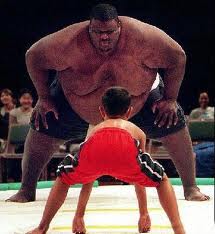
Sometimes I find it hard to decide whether to expose my students to the realities of the real world or protect them from disappointment.
Never is the conundrum stronger than when it comes to the issue of competition in the classroom.
Society loves to paint clear labels. Winners and losers, successful and unsuccessful, popular and unpopular, beautiful and ugly. The pressures that these labels bring is certainly prevalent in the classroom and is a great cause of anxiety among the students. No matter how tactful the teacher can be, the students are aware that they are graded, levelled and streamed, and with the help of their parents, take a strong interest as to where they stand in the pecking order.
There are many teachers who use competition as a motivating force. Everything from star charts and games to public assessments and evaluations are intended to get students to ignore the often mind numblingly boring lesson presentation and instead, concentrate on beating their fellow classmates.
There are students that excel when offered this incentive. These students love the modern trend of standardised testing. For them, it’s an opportunity to show how dominant they are over their peers.
But then there’s the student that collapses in a heap under the threatening and potentially confidence sapping pressures of being compared to others. These students watch their fellow classmates reading at level 30 while they are in the late teens and decide that they hate reading and have no interest in practicing or improving. These students claim that they are stupid, so what is the point.
I was a student who struggled to cope in an environment of “dog eat dog” competition. My classmates left me in my wake as I struggled with the labels that came with constant comparison and the humiliation of being repeatedly streamed in the bottom group. That is why I modify my teaching to cater for students sick of the constant intrusion of grades in education.
When testing the kids, I don’t give them a letter or number grade, instead I chose to give them clear feedback on skills they performed well in and found challenging. This not only prevents students from comparing themselves to others, but also provides clear feedback on what they can do and what skills require further practise.
The question is, if real world experiences feature competition, comparisons, labels and winners and losers, am I protecting my students from experiences they need to learn? Eventually they will need to compete against others for jobs and promotions. If I protect them from real life situations am I not doing them a disservice?
Another issue I have on this topic is that I don’t approve of many of the behaviours prevalent in the “real world”. Just because there is bullying, gossiping, bad manners and selfishness outside my classroom doesn’t mean that I will stand for it in my classroom. At some point I want to ignore what goes on outside the four walls of my classroom and instead, help my students change the rules of society rather than simply prepare them for it.


 Topical Teaching