I have a confession to make. I hate drug companies. No, worse, I despise drug companies.
I may not be a doctor, pharmacist or expert, so you can discount my views as just ramblings from an ignorant blogger if you like, but that isn’t going to change my position.
It is my belief that the drug companies have a vision. That vision is to see children being given medication as if it were candy. Last month I wrote about the fact that more than a quarter of kids in the US are on medication, with almost 7% on two or more prescription drugs. The drug companies probably see that figure as merely a good start, with plenty of room for improvement.
And as much as I wish we could see through what they are doing, I’m afraid, they continue to prevail.
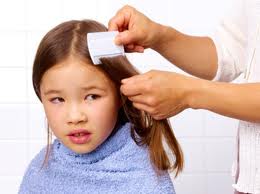
I was really disappointed to hear that a lice drug called Natroba, has been approved by the U.S. Food and Drug Administration for use on children ages 4 and older.
A lice drug? So let me get this straight. You give your child a drug that goes into the bloodstream to fight a problem which is external to the body. How on earth does that work?
The product — which is applied to dry scalp and hair, then left on for 10 minutes — contains spinosad, a compound that excites the central nervous system of head lice. The bugs, which are most common in children ages 3 to 12, become paralyzed and die.
And what about the “known” side-effects?
Common side effects of Natroba include redness or irritation of the eyes and skin.Because it contains benzyl alcohol, which can be harmful to newborns and low-birth-weight infants, the drug should not be used on children younger than 6 months.
6 months? Why would you give a prescription drug to a baby suffering from lice?
The sad part of this is that we live in the age of the quick fix. The solution to every problem must come at the click of a finger. No matter how many of these drugs get released, there will always be doctors happy to endorse and prescribe them and parents only too happy to avoid the time and energy used to treat their children in the traditional way.
If this keeps up, soon it will be rare to find a child not on medication. What a tragedy!


 Topical Teaching