
If you are finding your job quite challenging lately and you are at a loss to work out how to restore order in the classroom, I hope these tips will prove useful:
1. You Have Nothing to be Ashamed of: Even the best of teachers often struggle to keep control of a classroom. You should not feel deflated if your current crop of children are making your life difficult and testing your patience. This is nothing unusual. Make sure you keep a positive front. Children do not tend to feel empathy for a defeated teacher. On the flip side, they have respect for a teacher that can overcome difficult moments and stay positive, enthusiastic and show a willingness to intoduce new ideas to make things work.
2. What you Teach is not as Important as who you Teach: As much as it can frustrate when you have a lot to cover and so little time to cover it, it is important to note that the most important aspect of your job is to look after the wellbeing of your students. It is perfectly alright to interrupt a maths class for a discussion on bullying or respect. It is also important to realise that whilst Timmy may frustrate you and come to class with a poor attitude, the best thing you can do for him is to plant a seed of positivity. He may leave your class without the skills you have taught, but at least you have let him know that you believe in him and are there for him regardless.
3. If They are not Listening, Perhaps you Should Stop Talking: Teachers often complain about the lack of concentration among their students. This is commonplace, but not always entirely the students’ fault. Teachers often talk too much. From laboured mat sessions to interminable board work, teachers have got to realise that the more they talk, the more the students program themselves to daydream. Teachers have got to spend less time talking to the class and more time going from individual to individual. This is less threatening, more effective and better for charting individual progress. Other ideas include: Group work, games and interactive programs.
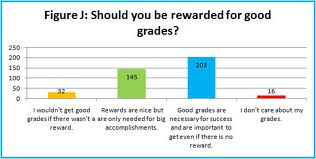
4. Stop Threatening: Detentions, suspensions and other punishments are important tools in a teachers toolbox, but boy they can get overused! A teacher’s attitude sets the tone for the classroom. If the “go-to” response is always to threaten and punish, the classroom will be a negative place. If the teacher instead put a privilege on the board (such as extra computer time) and during the class add under the privellege according to behaviour, attitude and work ethic, it sets a very different mood. Instead of feeling watched and judged, the students feel empowered to earn the teacher’s respect and motivated to win the reward.
5. Small Changes Make a Big Difference: When you are in a rut, the desperate part of you wants to change the world in a day. This is impossible. A better approach would be to isolate a goal or two such as; working on an orderly line-up, getting the students to raise hands before asking questions or getting the students to reflect on how they treat each other. These goals may seem insufficient in the grader scheme of an uncontrolled classroom but I assure you small goals can make big changes to the classroom dynamic.
I hope these tips are of use. We all struggle at times to teach effectively. You are not alone!


 Topical Teaching
