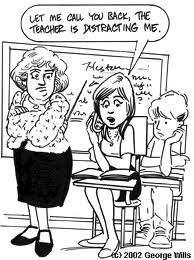
With schools now permitting the use of cell phones in the classroom, it’s only a matter of time before cell phones will be seen as a pivotal student learning tool.
Below are some strategies for teaching with cell phones:
- 1
Create a cell phone usage contract. Before an educator can begin to use cell phones in her class, she must obtain parental agreements. While potentially educationally beneficial, cell phones in the hands of irresponsible children can lead to a world of trouble. From creating excessively high phone bills to engaging in inappropriate contact with peers or adults, children can do a lot of damage with a simple cellular telephone. In your cell phone usage agreement, explain how you would use the cell phones in school and ensure that parents agree to allow their children to use personal cell phones in the fashion that you describe.
- 2
Lay down the law. Cell phones in the classroom are ineffective if they are not used properly. Discuss proper and improper cell phone usage practices with your students. Explain that cell phones in class are an educational tool and should be used as such, not as a toy or for surreptitiously contacting friends during class. Write up the rules of cell phone usage and post them prominently in the class. Remind students that if they are caught breaking the cell phone usage rules, they will lose their classroom cell phone privileges.
- 3
Introduce cell phones with a game. To help students become acclimated to the somewhat unorthodox concept of using cell phones in class, ease them into the usage of the phone by having them engage in a practice that they likely partake in regularly: text message voting. After student presentations or the reading of a collection of student stories, ask students to vote for their favorite of the bunch by texting in their vote. A variety text voting services allow you to create and implement your own poll. Many of these services are free if you select to open your poll up to a limited number of respondents. Check the resource section below for a listing of several text voting systems that you can use in your classroom.
- 4
Take pictures with cell phones. As the old adage goes, a picture is worth a thousand words, and a cell phone is a readily available means with which to take a picture. Create a lesson in which students capture pictures. They could take pictures of plants or animals for science class, people who could become characters in their stories for English or geometric figures. Download the pictures from the students’ phones and print, allowing students to use the images in a classroom assignment.
- 5
Communicate with individuals outside the class. Take full advantage of the easy communication that cell phones allow. Create situations in which students can use their cell phones to call people and seek information. If you want students to write about a geographic location, allow them to use their cell phones to call a visitor’s bureau in that area. If students are writing about an event that occurred in their family, encourage them to call a relative to seek information which they can incorporate into their written work.
- 6
Utilize the research capabilities of cell phones. Many cell phones allow for Internet access. Use this helpful feature as a research aid. After presenting a question in class, allow the students to use their cell phones and surf the Internet to find the answer to the posed question. This will help students develop the skills necessary to hunt for and find information independently. Before asking students to use their phones’ Internet features, clear the activity with parents as expensive charges can be incurred if the phone is not part of a data plan.


 Topical Teaching